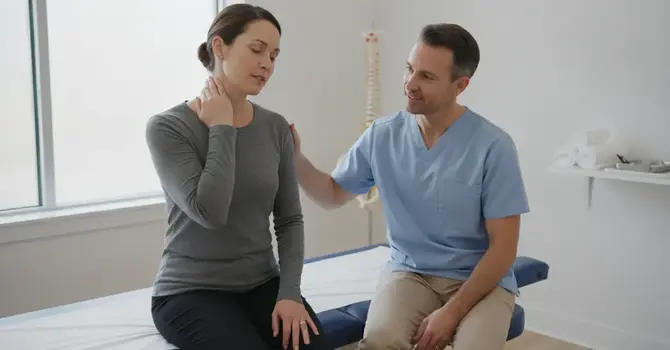
Lower back pain can make a workday, workout, or weekend feel harder than it should. In Atlanta, the right next step is not always the same for every person, especially when symptoms follow an injury, affect movement, or continue despite basic self-care. A thoughtful evaluation can help separate options that may support mobility from situations that call for medical assessment first.
Choosing an Atlanta chiropractor for lower back pain should begin with an evaluation, not a treatment assumption. The clinician may consider your symptoms, health history, movement, and relevant diagnostic findings before discussing chiropractic care, mobility support, decompression, or referral. The goal is a plan that fits your situation and can be reassessed as you respond.
That decision-making process starts by clarifying what your symptoms may be signaling, what an evaluation can reasonably determine, and when additional medical input is important.
Call 404-888-0666 to discuss an evaluation
What Can an Evaluation Tell You About Lower Back Pain?
An evaluation helps turn a frustrating symptom into a clearer set of next steps. Lower back pain can affect work, exercise, sleep, and ordinary movement, but the same description does not point to one universal approach. A thoughtful assessment considers what you are experiencing, how it began, and what activities change it before anyone recommends a specific form of care.
The history may cover when symptoms started, whether they stay in the lower back or travel into the hip or leg, previous injuries, daily demands, and relevant health conditions. It can also include movement and posture context. For example, desk work, lifting, exercise, or repetitive activity may help explain when symptoms become more noticeable. This information supports a conversation about options without attempting to diagnose you from a blog post.
The VA/DoD clinical practice guideline describes low back care as a process that includes evaluation, education and self-care, non-pharmacologic treatment, and team-based care. Its framework is useful because it places assessment before treatment selection: review the VA/DoD guideline on low back pain.
When might diagnostics or referral be considered?
Depending on the history and examination, a provider may decide that additional information would be useful. Preferred Regen ATL identifies digital X-rays and diagnostic ultrasound among its diagnostic services, but testing is not automatically necessary for every person. The appropriate choice depends on the clinical picture and the question an evaluation is trying to answer.
An evaluation should also clarify when a different medical assessment or referral is more appropriate. Chiropractic care does not replace medical care for concerns outside its scope, and worsening or concerning symptoms deserve prompt attention rather than a routine appointment.
Preferred Regen ATL describes its pathway as consultation, assessment, a customized treatment plan, implementation, and maintenance. That approach keeps the conversation focused on your goals and response over time. If you want more context before scheduling, you can read about chiropractic treatment planning and prepare questions about what the evaluation can and cannot determine.
How an Atlanta Chiropractor for Lower Back Pain May Fit Your Care Plan
Chiropractic care may be one conservative option when an evaluation suggests that hands-on care, movement support, and follow-up are appropriate for your situation. A 2024 review of clinical practice guidelines found that recommendations commonly favored spinal manipulation for low back pain, but that finding does not mean the same approach fits every person or cause of symptoms. Your health history, current symptoms, goals, and examination should guide the conversation.
At Preferred Regen ATL, chiropractic services may support several types of patient needs, including sports injury care, corrective care, wellness maintenance, and auto-accident rehabilitation. The focus is not simply on choosing a procedure. It is on understanding what may be contributing to your limitations and deciding whether chiropractic care belongs in a broader plan. You can learn more about chiropractic treatment planning before your visit.
What the plan may focus on
Depending on the assessment, care may address mobility, movement patterns, and activities that affect your lower back. For an Atlanta professional who spends much of the day at a desk, the discussion may include how sitting, work demands, exercise, or repetitive movement relate to current limitations. These factors are not a diagnosis, and they do not establish the right treatment by themselves.
A responsible plan also includes boundaries. If your symptoms suggest a concern outside chiropractic scope, referral for medical assessment may be appropriate. Chiropractic care should not replace evaluation for potentially serious, rapidly worsening, or otherwise out-of-scope concerns. Preferred Regen ATL's care framework includes referrals when needed, rather than forcing every patient into the same treatment pathway.
Why reassessment matters
A care plan should remain responsive. Consultation, assessment, customized planning, implementation, and maintenance may occur as separate stages, with reassessment helping determine whether the plan still makes sense. Ask what the clinician is monitoring, what changes should prompt a call, and when another type of evaluation may be recommended. This shared decision-making approach keeps chiropractic care in its proper role: one possible part of individualized lower back care, not a guarantee of a particular outcome.
Which Conservative Options Can You Compare?
Once an evaluation clarifies your symptoms, goals, and any reasons to seek medical care first, comparing options becomes more useful. Conservative care can include self-care and other non-pharmacologic approaches, but the right combination depends on your presentation and how you respond over time. The table below is a starting point for a conversation, not a diagnosis or a universal treatment plan.
| Option | Purpose | What you can ask | Safety boundary |
|---|---|---|---|
| Evaluation | Understand the pattern of symptoms, movement limits, health history, and whether conservative care is reasonable. | What findings guide the plan? Could imaging, another clinician, or a referral be appropriate? | An evaluation should not replace urgent medical care when symptoms are severe, rapidly worsening, or concerning. |
| Chiropractic care | Use hands-on care and movement-focused strategies within an individualized plan. | What approach fits my findings? How will progress be reassessed? What alternatives are available? | Chiropractic care does not fit every cause of lower back pain and should not substitute for medical assessment outside its scope. |
| Mobility support | Address movement habits, work positions, and activity choices that may affect daily comfort and function. | Which movements should I modify? How can I stay active without aggravating symptoms? | A general exercise routine is not appropriate for everyone. Stop and seek guidance if symptoms worsen or new symptoms appear. |
| Non-surgical spinal decompression | Consider a computer-controlled traction system when an assessment indicates it may be suitable. | What does the assessment show? Why might this option fit my situation? What other choices should I compare? | It is not appropriate for every patient. Disc-related concerns such as a herniated or bulging disc, sciatica, or degenerative disc disease require careful assessment, not self-diagnosis. |
For a broader overview, explore these non-surgical back pain options. If decompression is being discussed, our guide to spinal decompression therapy can help you prepare more specific questions. A thoughtful comparison should leave you understanding why an option was suggested, what its limits are, and when the plan should be reconsidered.
Preferred Regen ATL describes decompression as one service considered within a consultation and assessment pathway. That distinction matters: a technology or technique should follow clinical reasoning, rather than determine it.
What Mobility Habits Can Support Your Next Steps?
For Atlanta adults who spend much of the day at a desk, small changes in how you move and work may support a more informed care plan. Desk-work-related lower back pain is one concern identified among the practice's target patients. Prolonged sitting, lifting, and repetitive movement may also contribute to symptoms, but those patterns do not identify the cause by themselves.
Start with variety rather than a rigid exercise routine. Change positions during the workday, bring your screen and chair into a comfortable arrangement, and take brief opportunities to stand or walk when your symptoms allow. When lifting, slow down, keep the load close, and ask for help with an object that feels unsafe. These are general movement considerations, not a universal prescription. The right activity depends on your symptoms, health history, movement assessment, and goals.
The American College of Physicians includes noninvasive care and activity-focused approaches among options that may be considered for low back pain, with treatment decisions shaped by the individual situation. Read the ACP guideline on noninvasive low back pain treatment for the clinical recommendation framework.
Pay attention to your response. If a movement consistently increases your symptoms, stop that activity and seek an assessment rather than pushing through it. Prompt medical evaluation is especially important if pain worsens rapidly or you develop new neurological symptoms, such as leg weakness, numbness, or tingling. A qualified clinician can help determine whether mobility support, chiropractic care, another conservative option, or referral is the appropriate next step.
When Should Lower Back Pain Receive Medical Assessment?
Many lower back symptoms can be evaluated through a planned, non-emergency visit. However, some changes should prompt medical attention before you schedule a routine chiropractic appointment. The goal is not to diagnose yourself from a checklist. It is to recognize when waiting may not be the safest next step.
The National Institute of Arthritis and Musculoskeletal and Skin Diseases advises seeking medical care for concerning symptoms associated with back pain, including:
- Numbness or tingling, especially when it is new, spreading, or affecting function
- Weakness or numbness in a leg
- Severe pain that persists rather than gradually settling
- Pain that begins after a fall, collision, lifting injury, or another significant injury
- Trouble urinating
- Fever accompanying back symptoms
- Unintended weight loss
These signs do not identify a specific condition by themselves, but they deserve professional evaluation. For the source guidance, review the NIAMS back pain resource. Seek prompt or urgent medical care when symptoms are severe, rapidly worsening, or accompanied by new weakness, significant numbness, or trouble urinating. Do not wait for a routine appointment to see whether those symptoms improve.
A chiropractic evaluation does not replace medical assessment. A responsible care plan begins by considering whether the concern is appropriate for chiropractic care, mobility support, or another conservative option. Preferred Regen ATL's compliance framework includes referral for conditions outside chiropractic scope. That boundary protects the patient and helps ensure the next step matches the concern.
If symptoms are stable and no warning signs are present, an evaluation can still help clarify reasonable options. Bring a brief history of when the pain began, what activities change it, and any symptoms that travel into the hip or leg. Clear information supports shared decision-making, while keeping safety ahead of speed.
What Should You Ask at a First Visit?
A first visit should help you understand what may be contributing to your symptoms and what choices make sense from there. Bring a brief timeline of when the discomfort began, what changes it, whether symptoms travel into the hips or legs, and any relevant health history. You do not need to diagnose yourself before the appointment.
Use questions like these to keep the conversation clear:
- What did you learn from my symptoms, history, posture, and movement assessment? Ask which findings are meaningful and which remain uncertain.
- What care options fit these findings, and why? Ask whether the suggested approach involves chiropractic care, mobility support, decompression, or coordination with another clinician. A computer-controlled traction approach, for example, is not appropriate for every patient.
- What risks, limits, or warning signs should I understand? Ask what could make an option unsuitable and which symptoms should prompt medical assessment instead of routine care.
- How will we know whether the plan is helping? Clarify what will be reassessed, when progress will be reviewed, and what changes would lead to adjusting or stopping the plan. Visit needs can vary with symptoms and response, so a responsible plan should not assume the same schedule for everyone.
- When should you refer me to another medical professional? Chiropractic care should include referral when a concern falls outside its scope. If symptoms are persistent or complex, reviewing care for persistent back pain may also help you identify the right next conversation.
These questions support shared decision-making. The goal is not to force a treatment choice during one appointment, but to leave with a clearer understanding of your options, boundaries, and next steps.
How Do You Build a Lower Back Care Plan in Atlanta?
A useful care plan starts with a conversation, not a preset treatment. During a consultation, share what you notice, when symptoms began, how they affect work or activity, and what you have already tried. An assessment can then help clarify whether chiropractic care, mobility support, decompression, another service, or referral is the most appropriate next step.
Preferred Regen ATL describes its clinical pathway as five connected stages:
- Consultation: Discuss your concerns, goals, history, and questions.
- Assessment: Review relevant findings and determine whether additional evaluation or referral is appropriate.
- Customized plan: Select care that fits the assessment rather than assuming one option suits every person.
- Implementation: Follow the agreed plan while communicating how your symptoms and function change.
- Maintenance: Reassess the plan over time and adjust it as your needs change.
If your concerns involve a possible disc problem, ask how the findings affect your options. This discussion may include chiropractic care for disc concerns, but it should not replace a medical assessment when symptoms are severe, rapidly worsening, or outside chiropractic scope.
Decompression uses a computer-controlled traction system, yet it is not appropriate for everyone. Assessment should come before considering it, particularly when symptoms radiate or involve possible nerve changes. A plan should also include clear instructions about what to monitor, when to pause, and when to seek another level of care. That individualized process is more useful than choosing an Atlanta chiropractor for lower back pain based only on a service name or a promise of results.
Call 404-888-0666 to discuss your options
Frequently Asked Questions
Can a chiropractor help with lower back pain?
Chiropractic care may be part of a lower back care plan when an evaluation suggests it fits your symptoms, health history, and goals. Care can include mobility-focused strategies and reassessment rather than a one-size-fits-all approach. It does not replace medical evaluation when symptoms are outside chiropractic scope.
Is chiropractic care safe for low back pain?
Safety depends on the cause of your symptoms, your health history, and the approach selected. A thorough assessment helps determine whether chiropractic care is appropriate, whether another conservative option should be considered, or whether referral is needed. Ask what the proposed care involves, its boundaries, and when your plan will be reassessed.
What should I expect during my first visit?
Expect a conversation about your symptoms, health history, daily activities, and goals, followed by an assessment of movement and function. Depending on the findings, diagnostic services or referral may be discussed. The purpose is to build a customized plan, not to assume that every patient needs the same treatment.
How many visits will I need for low back pain relief?
There is no responsible universal visit count. The appropriate schedule depends on your symptoms, findings, response to care, and progress during reassessment. A clear plan should explain what changes to monitor, when the plan will be reviewed, and what the next step is if improvement does not occur.
When should lower back pain receive medical assessment?
Seek prompt medical care for severe or rapidly worsening pain, pain after a fall or injury, leg weakness or numbness, trouble urinating, fever, unintended weight loss, or numbness or tingling. These warning signs should not wait for a routine chiropractic visit. Review the NIAMS back pain guidance or contact urgent care for direction.
Ready to Discuss Your Lower Back Care Options?
An evaluation can help clarify which conservative options may fit your symptoms, movement needs, and health history. The next step should support informed decisions, with medical assessment or referral when appropriate.

Lindsay GoMega
Contact Me