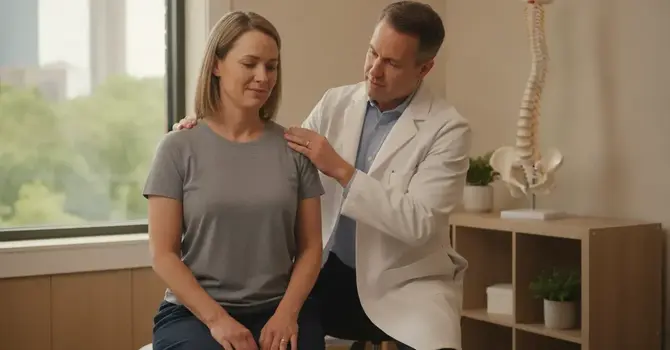
Living in the frustrating cycle of chronic back pain can be exhausting. You’ve likely tried various treatments that offer a little relief, only for the pain to return, leaving you feeling stuck. The turning point often comes when you realize that the problem isn't a lack of effort on your part, but perhaps a need for a different approach. The right specialist doesn't just manage symptoms; they investigate the underlying cause of your pain to create a path toward genuine, long-term healing. Finding a chronic back pain specialist in Atlanta who prioritizes innovative, non-surgical solutions can completely change your outcome. This article will help you understand what to look for in a provider who is committed to helping you reclaim your life from pain.
Key Takeaways
- Prioritize healing over temporary fixes: Look for non-surgical treatments like regenerative medicine that address the root cause of your pain, offering a path to lasting relief without the risks and downtime of surgery.
- Find a specialist who partners with you: The right provider will listen to your goals, answer your questions clearly, and work with you to create a plan. Your recovery is a team effort, so choose a specialist who treats you like a key player.
- Effective treatment is more than one therapy: Lasting relief often comes from a combination of approaches. A great plan starts with an accurate diagnosis and may include regenerative therapies, spinal decompression, and therapeutic bodywork to restore your body's function.
What Treatments Do Chronic Back Pain Specialists Offer?
When you're dealing with chronic back pain, it can feel like surgery is the only path forward. But specialists in Atlanta offer a wide range of effective treatments that don't involve going under the knife. The goal is to find a solution that addresses the source of your pain, helps your body heal, and gets you back to your life. A great specialist will have a toolbox of options, from advanced regenerative therapies to hands-on body work, and will work with you to create a plan that fits your specific needs and health goals.
Exploring Non-Surgical Options
Many people are surprised to learn just how many non-surgical treatments are available. While some clinics focus on temporary fixes like steroid injections or nerve blocks, a forward-thinking specialist looks for ways to create lasting relief. This is where innovative approaches like non-surgical spinal decompression come in. This gentle therapy helps relieve pressure on your spinal discs, allowing them to heal naturally. It’s a powerful option for conditions like herniated discs, sciatica, and degenerative disc disease, offering a path to recovery without the risks and downtime of surgery.
Discovering Regenerative Therapies
Imagine using your body’s own healing power to repair damaged tissues and reduce inflammation. That’s the core idea behind regenerative medicine. Instead of just masking pain, these treatments aim to fix the underlying problem. Therapies like Platelet-Rich Plasma (PRP) and stem cell injections introduce concentrated healing factors directly to the injured area, encouraging your body to rebuild and restore function. For many people with joint pain, disc issues, or soft tissue injuries, this approach can be a game-changer, helping them avoid more invasive procedures and find long-term relief.
Getting an Accurate Diagnosis
A successful treatment plan always starts with a clear and accurate diagnosis. Your first visit with a specialist shouldn't feel rushed. They should take the time to listen to your story, understand your symptoms, and perform a thorough physical exam. To get the full picture, they may use advanced diagnostic tools. For example, modern digital x-rays can provide a detailed look at your spinal structure with minimal radiation exposure. This detailed information is what allows your specialist to pinpoint the exact cause of your pain and design a treatment plan that’s truly personalized to you.
Finding Relief with Therapeutic Body Work
Healing from chronic back pain often involves more than just one type of treatment. A comprehensive approach includes therapies that restore movement, improve flexibility, and support your body’s overall function. This is where therapeutic body work plays a vital role. Services like chiropractic care can realign your spine and improve nerve function, while targeted stretch therapy can release muscle tension and increase your range of motion. When combined with other treatments, these hands-on therapies help ensure your body is strong, balanced, and better equipped to stay pain-free for the long haul.
How to Choose the Right Chronic Back Pain Specialist in Atlanta
Finding the right specialist for your chronic back pain is one of the most important steps you can take toward feeling better. In a city like Atlanta, you have plenty of options, but the key is to find a provider who truly understands your condition and aligns with your personal health goals. This isn't just about finding a doctor; it's about finding a partner who will listen to you, explore all possible avenues for relief, and create a plan that feels right for you. A great specialist will look beyond just masking symptoms and work to identify the root cause of your pain. They should offer a range of modern, effective treatments and be committed to helping you regain your quality of life without immediately pushing for invasive procedures. Think of it as building your personal health team. You want someone in your corner who is up-to-date on the latest advancements and can explain your options clearly, without jargon. This process is about empowering yourself with the right information and the right support system. Taking the time to research your options will pay off in the long run, setting you on a path toward lasting relief and better overall wellness.
Verify Their Credentials and Experience
When you’re dealing with chronic pain, you want to be sure you’re in the hands of an expert. Start by looking at a specialist's credentials. You should look for a provider who is board-certified in a relevant field like pain medicine, physical medicine and rehabilitation (PM&R), or neurology. While your primary care doctor is an excellent resource, they typically don't have the advanced, specialized training required to treat complex chronic back pain. Beyond certifications, consider their experience. Have they successfully treated conditions similar to yours? A clinic that offers a variety of services, from chiropractic care to advanced regenerative therapies, often has a team with diverse and extensive experience.
Understand Their Treatment Approach
Every specialist has a unique philosophy when it comes to treating pain. It’s important to find one whose approach resonates with you. Are you hoping to avoid surgery and reliance on pain medication? If so, look for a clinic that prioritizes conservative and non-invasive methods. A forward-thinking specialist will focus on long-term solutions that address the underlying cause of your pain. They should offer a comprehensive treatment model that may include regenerative medicine, physical therapies, and lifestyle adjustments. This integrated approach often leads to more sustainable results than simply managing symptoms. Ask about their treatment philosophy during your initial research to ensure it aligns with your preferences.
Read Patient Reviews and Testimonials
Patient reviews are an invaluable resource for getting an honest look at a clinic and its specialists. Go beyond the star ratings and read through the comments to understand the actual patient experience. Are patients saying they feel heard and respected? Do the reviews mention specific ways the doctor helped them get their life back from pain? Testimonials can give you a sense of the clinic's atmosphere, the staff's friendliness, and the specialist's communication style. Look for patterns in the feedback. Consistent praise for personalized care, effective treatments, and positive outcomes is a strong indicator that you’ve found a reputable provider who genuinely cares about their patients' well-being.
Ensure They Align with Your Goals
Ultimately, the best specialist for you is one who is committed to helping you achieve your specific goals. What does recovery look like for you? Is it running a 5K, playing with your grandchildren without pain, or simply getting through a workday comfortably? A great provider will take the time to understand what you want to accomplish and will tailor a treatment plan to help you get there. They should see you as a partner in your own health journey. During your consultation, be open about your expectations and listen to how they respond. You should feel confident that they are focused on finding effective, long-term solutions that fit your lifestyle and help you live the life you want.
What to Expect at Your First Appointment
Walking into a new specialist's office can feel a little intimidating, but knowing what to expect can make all the difference. Your first appointment is all about getting to know you, understanding your pain, and creating a roadmap for your recovery. It’s a two-way conversation where you can ask questions and get a clear picture of your path forward. Think of it as the first step toward reclaiming your life from back pain. The goal is to leave with clarity and confidence, knowing you have a dedicated partner in your health journey.
Your Initial Consultation and Assessment
Your first visit starts with a conversation. The specialist will sit down with you for a comprehensive evaluation to get the full picture of your health. You’ll discuss your medical history, the specifics of your back pain—where it is, how severe it feels—and any previous treatments you’ve tried. This is your time to share your story and be open about how the pain impacts your daily life. The more details you can provide, the better your specialist can understand your situation. This initial assessment is the foundation for everything that follows, ensuring your care is built around your unique circumstances and health history.
The Diagnostic Testing Process
After discussing your symptoms and history, your specialist may recommend diagnostic tests to get a closer look at what’s going on. This isn't about guesswork; it's about getting precise information to identify the root cause of your pain. Depending on your situation, this could involve imaging studies to see the underlying structures of your spine. At Preferred Regen ATL, we use advanced tools like digital X-rays and ultrasounds to get a clear and accurate diagnosis. These tests help us pinpoint the exact source of the issue, which is a critical step in developing a treatment plan that will actually work for you.
Developing Your Personalized Treatment Plan
Once your specialist has a complete understanding of your condition, you’ll work together to create a personalized treatment plan. This isn't a one-size-fits-all approach. Your plan will be tailored specifically to your diagnosis, lifestyle, and personal health goals. It may include a combination of innovative, non-surgical options designed to promote healing and restore function. We might explore advanced regenerative medicine therapies, non-surgical spinal decompression to relieve pressure, or therapeutic bodywork to improve mobility. The focus is always on finding the most effective, least invasive path to help you find lasting relief and get back to doing what you love.
Setting Timelines and Follow-Up Care
A good treatment plan includes more than just the "what"—it also covers the "when" and "how." During your initial visit, your specialist will outline the goals of your treatment and discuss an expected timeline for recovery. You’ll know what to anticipate at each stage of the process. Follow-up care is a key part of this journey. Regular check-ins will be scheduled to monitor your progress, see how you’re responding to treatment, and make any necessary adjustments to your plan. This ongoing support ensures you’re never on your own and that your care evolves with your needs, keeping you on track toward optimal health.
Understanding the Costs of Back Pain Treatment in Atlanta
When you’re dealing with chronic back pain, the last thing you want to worry about is the cost of treatment. But let’s be honest—it’s a major factor in your decision-making. Understanding the financial side of your care plan helps you move forward with confidence. The cost of back pain treatment in Atlanta can vary quite a bit depending on the approach you take, from traditional therapies to more advanced regenerative options. Thinking about it not just as a cost, but as an investment in your long-term health and quality of life, can help you see the bigger picture. Here’s a breakdown of what you can expect.
Pricing for Non-Surgical Treatments
Many people start their journey with common non-surgical treatments like physical therapy or chiropractic care. These options can be effective for certain conditions and are often covered, at least in part, by insurance. For example, a physical therapy session might cost between $20 and $90 with insurance. Other treatments, like non-surgical spinal decompression, offer a targeted approach without the need for an operation. The total cost depends on the type of therapy, the number of sessions you need, and your specific insurance plan. It’s always a good idea to get a clear estimate upfront so you know what to plan for.
The Investment in Regenerative Medicine
Regenerative medicine is a game-changer for chronic back pain because it focuses on healing from within. While therapies like PRP or stem cell injections may have a higher initial cost than weekly physical therapy sessions, they are designed to address the root cause of your pain. Instead of just managing symptoms, these treatments help your body repair damaged tissue, offering the potential for lasting relief. Many people find that investing in regenerative medicine ultimately saves them money and time by reducing the need for continuous, less effective treatments or more invasive procedures down the road.
Navigating Insurance and Payment Plans
Figuring out insurance can feel like a job in itself. Coverage for back pain treatments, especially regenerative therapies, varies widely between providers. The best first step is to call your insurance company directly to understand what your plan covers. Don’t hesitate to ask our team for help, too. We can walk you through the process and clarify what to expect. Many clinics also offer payment plans or financing options to make care more accessible. Your health is the priority, and we believe that financial concerns shouldn’t stand in the way of you getting the relief you deserve.
Key Questions to Ask Your Back Pain Specialist
Walking into a consultation armed with the right questions can make all the difference. It shows you’re an active participant in your own health journey and helps you gather the information you need to make a confident decision. A great specialist will welcome your questions and provide clear, honest answers. Think of this initial meeting as a two-way interview—you’re not just there to be examined; you’re there to determine if this provider and their approach are the right fit for you.
To get the most out of your appointment, come prepared with a list of questions that cover your biggest concerns. Focus on understanding the specialist’s experience, their proposed treatment plan, what recovery looks like, and how they’ll support you long-term. This conversation is the foundation of your treatment plan, so don’t be shy. The goal is to leave the office with a clear understanding of your condition and a solid path forward, feeling empowered and optimistic about finding relief.
Ask About Success Rates and Expected Outcomes
It’s completely reasonable to ask about a specialist’s track record. You can phrase it as, “What kind of results have you seen for patients with a condition similar to mine?” This question helps you gauge their experience and set realistic expectations for your own outcome. A trustworthy provider will be transparent about both the potential benefits and limitations of any treatment. They should be able to explain what a successful outcome looks like for you, whether it’s a significant reduction in pain, improved mobility, or a return to your favorite activities. This conversation helps ensure you and your doctor are aligned on the goals of your regenerative medicine plan.
Clarify the Recovery Timeline
Understanding what to expect after a procedure is crucial for planning your life. Ask your specialist, “What does the recovery process involve, and how long will it take before I can resume my normal activities?” Many non-surgical treatments, like non-surgical spinal decompression, are performed in the office and have minimal downtime, allowing you to get back to your routine quickly. This is a stark contrast to invasive surgeries that often require lengthy and difficult recovery periods. Getting a clear timeline helps you prepare mentally and logistically for the road ahead, ensuring a smoother, stress-free healing process.
Discuss Alternative Treatment Options
A comprehensive approach to back pain rarely involves just one solution. Ask your specialist, “What are all of my treatment options, and how can they work together?” This opens the door to a conversation about a multi-faceted plan that addresses your pain from different angles. Instead of relying on medications that only mask symptoms, this approach aims to fix the root cause of your pain. Your personalized plan might combine a primary treatment with supportive therapies like chiropractic care or stretch therapy to accelerate healing and improve overall function. This ensures you’re receiving the most effective and holistic care possible.
Plan for Long-Term Pain Management
True relief isn’t about a temporary fix; it’s about creating a sustainable plan for long-term wellness. A great question to ask is, “What is our strategy for managing my back health in the long run?” This shows you’re thinking beyond the immediate symptoms. The answer should involve more than just follow-up appointments. It might include a plan for physical therapy, at-home exercises, or lifestyle adjustments to prevent future flare-ups. Effective sports injury care, for example, focuses on both healing and prevention. This forward-thinking approach ensures you not only get out of pain but also have the tools to stay that way.
Regenerative Therapy vs. Traditional Treatments
When you’re dealing with chronic back pain, you’ll find that treatments generally fall into two categories: traditional and regenerative. Traditional approaches often focus on managing your symptoms. Think pain medications that mask discomfort, steroid injections that temporarily reduce inflammation, or surgery that removes or fuses a part of your spine. While these methods can be effective and are sometimes necessary, they don’t always address the root cause of the pain—the damaged tissue itself. They can feel like a temporary fix for a long-term problem.
This is where the philosophy of regenerative medicine offers a different path. Instead of working around the injury, this approach aims to heal it directly from within. Regenerative therapies harness and amplify your body's natural healing mechanisms to repair and rebuild damaged tissues like muscles, ligaments, tendons, and discs. By concentrating powerful healing factors and cells right where they’re needed, these treatments support your body in fixing the underlying problem, leading to more sustainable and meaningful relief. It’s a fundamental shift from simply managing pain to actively restoring function and helping your body heal itself for good.
Faster Recovery with Less Downtime
One of the most significant advantages of regenerative therapy is the minimal disruption to your life. Most regenerative treatments are performed as simple, outpatient procedures with very little recovery time, which contrasts sharply with surgical treatments. Instead of a hospital stay followed by weeks or months of difficult rehabilitation, you can typically return home the same day and get back to your routine much faster. For anyone with a demanding job, a family to care for, or an active lifestyle, avoiding a long and painful recovery process is a game-changer. This allows you to focus on getting better without putting your entire life on hold.
Targeting the Root Cause, Not Just Symptoms
Pain is your body’s alarm system, signaling that something is wrong. While traditional pain relief drugs can silence that alarm, they don’t put out the fire. Regenerative medicine is designed to be fast, effective, and continuous because it fixes the root cause of the pain. Therapies like PRP and exosome injections deliver concentrated growth factors and healing components directly to the injured tissue. This process encourages your body to repair the damage at a cellular level, rather than just masking the pain signals. By addressing the underlying injury, you’re not just getting temporary relief—you’re creating a foundation for true, long-term healing.
A Lower-Risk Approach with Fewer Side Effects
Any medical procedure comes with some level of risk, but the goal is always to choose the safest, most effective option. Because regenerative therapies often reduce the need for surgery, they help you avoid the significant risks associated with invasive procedures, such as infection, complications from anesthesia, and scarring. Since many of these treatments use healing agents derived from your own body, the risk of rejection or adverse side effects is extremely low. This makes it a much safer alternative for many patients, providing a powerful treatment option with far fewer potential downsides than major surgery.
Achieving Lasting Relief and Improved Mobility
Ultimately, the goal of any back pain treatment is to help you move freely and live without discomfort. Research shows that patients receiving regenerative therapies often regain mobility more quickly and experience longer-lasting pain relief. Because these treatments help your body actually heal the damaged tissue, the results are built to last. The aim isn’t just to reduce your pain score on a chart; it’s to restore your function so you can get back to the activities you love. Whether you’re recovering from a sports injury or dealing with degenerative changes, the focus is on helping you achieve a better quality of life.
Common Myths About Chronic Back Pain, Debunked
When you’re dealing with persistent back pain, it’s easy to get overwhelmed by conflicting advice and common misconceptions. Believing these myths can keep you from finding treatments that actually work. The truth is, you have more options for relief than you might think. Understanding the facts is the first step toward taking control of your health and getting back to the life you want to live. Let's clear up some of the most common myths about chronic back pain.
Myth: Surgery Is Your Only Option
Many people assume that if their back pain is severe or long-lasting, surgery is the only real solution. This can be a scary thought, but it’s often not the case. In fact, many instances of chronic back pain are caused by issues that surgery can’t resolve, like muscular imbalances or inflammation. Sometimes, even advanced imaging like an MRI doesn’t show a clear structural problem that a surgeon can fix.
Fortunately, there are highly effective, non-invasive treatments available. Therapies like non-surgical spinal decompression can relieve pressure on your discs and nerves without a single incision. These approaches focus on creating an ideal healing environment for your body, addressing the root cause of the pain without the risks and lengthy recovery associated with surgery.
Myth: You Should Always Rest Your Back
After an initial injury, a day or two of rest can be helpful. But for chronic back pain, extended bed rest can do more harm than good. When you stay inactive for too long, the muscles that support your spine begin to weaken and stiffen. This deconditioning can actually make your pain worse and create a frustrating cycle of inactivity and discomfort.
The key is to find the right kind of movement. A strategy of active recovery, guided by a professional, can make all the difference. Gentle, targeted exercises and treatments like stretch therapy help improve flexibility, build strength, and increase blood flow to the affected area, which promotes healing. The goal isn’t to push through intense pain, but to reintroduce movement safely to restore function.
Myth: Pain Always Signals Serious Injury
It’s natural to think that the more something hurts, the more severe the damage must be. With chronic pain, however, the connection isn't always that direct. Over time, your nervous system can become sensitized, causing it to send intense pain signals even when there’s no new injury or damage occurring. This is why simply "toughing it out" is poor advice; it ignores the complex nature of chronic pain.
Instead of living with the pain, it’s important to get an accurate picture of what’s happening in your body. A thorough evaluation, which may include digital x-rays or other diagnostic tools, can help a specialist understand the underlying cause. This allows for a treatment plan that addresses the real issue, whether it’s structural, muscular, or nerve-related.
Myth: Back Pain Is Just Part of Getting Older
While it’s true that our bodies change as we age, chronic back pain is not an inevitable part of getting older. Accepting pain as your new normal means missing out on effective solutions that can dramatically improve your quality of life. Age-related changes like disc degeneration can be a factor, but they don’t have to sentence you to a life of discomfort and limited mobility.
Modern medicine offers incredible options that work with your body’s natural healing abilities. Innovative fields like regenerative medicine focus on repairing and restoring damaged tissues to address the source of the pain, not just mask the symptoms. No matter your age, there are proactive steps you can take to find lasting relief and stay active and vibrant.
Finding the Best Chronic Back Pain Specialist for You
Finding the right person to trust with your health can feel like a huge task, but it’s the most important step you’ll take toward feeling better. The best specialist for you will not only have the right technical skills but will also be a partner in your recovery journey. Think of it as building your personal health team—you want to find the right captain. To help you make a confident choice, let's walk through a few key things to look for when searching for a chronic back pain specialist in Atlanta.
Match the Specialist to Your Specific Condition
Back pain isn't a one-size-fits-all problem, so your specialist shouldn't be either. Look for a provider who is board-certified in a relevant field like pain medicine or physical medicine and rehabilitation. This certification means they’ve gone through extensive training to handle complex pain conditions. More importantly, find someone with direct experience treating your specific issue, whether it’s a herniated disc, sciatica, or degenerative disc disease. A specialist who understands the nuances of your condition can create a much more effective and personalized treatment plan, often incorporating innovative approaches like regenerative medicine to address the root cause of your pain instead of just masking the symptoms.
Consider Location, Access, and Scheduling
Managing chronic back pain is a marathon, not a sprint, and consistent care is key. That’s why practical details like location and scheduling really matter. When you’re dealing with daily pain, the last thing you want is a long, stressful commute across Atlanta for every appointment. Look for a clinic that is conveniently located and offers appointment times that work with your schedule. Easy access makes it simpler to stick with your treatment plan, whether it involves regular chiropractic adjustments, physical therapy, or follow-up consultations. A smooth and stress-free experience getting to and from your appointments can make a big difference in your overall healing process.
Red Flags to Watch for in a Provider
It’s crucial to feel confident and heard by your healthcare provider. A major red flag is a specialist who seems to have a one-track mind, especially if that track leads directly to surgery. A great specialist will explore all conservative and non-invasive options first, from non-surgical spinal decompression to therapeutic bodywork. Be cautious if a provider dismisses your questions or isn’t willing to discuss different treatment paths. You should also be wary of anyone who guarantees a specific outcome. Your relationship with your specialist should be a partnership, and that starts with open communication and a willingness to create a plan that feels right for you.
Related Articles
Frequently Asked Questions
How do I know if I'm a good candidate for non-surgical treatments? The best way to know for sure is to come in for a thorough evaluation. Generally, you might be a great candidate if you've been dealing with back pain that hasn't improved with basic treatments, if you've been told surgery is your only option and want a second opinion, or if you're simply looking for a solution that addresses the root cause of your pain instead of just masking it. A specialist will use a detailed diagnosis to determine if your specific condition can be effectively treated with these methods.
What's the difference between regenerative medicine and therapeutic body work like chiropractic care? Think of it this way: regenerative medicine works on a cellular level to repair the source of your pain, like a damaged disc or ligament. It helps your body rebuild and heal the injured tissue from the inside out. Therapeutic body work, including chiropractic care and stretch therapy, focuses on restoring proper structure, alignment, and movement. They work together perfectly—regenerative therapies fix the underlying damage, while body work ensures your body is moving correctly to support that healing and prevent future problems.
How long does it typically take to see results from regenerative therapies? Because regenerative medicine works by supporting your body's own healing process, the results are gradual and build over time. Some people start to feel a noticeable difference within a few weeks, while for others, the most significant improvements appear over the course of a few months as the tissue continues to repair itself. Your specialist will give you a more personalized timeline based on your specific condition and treatment plan.
Will I have to stop my normal activities during my treatment plan? One of the biggest advantages of non-surgical and regenerative approaches is the minimal disruption to your life. Unlike major surgery that requires a long and difficult recovery, most of our treatments allow you to get back to your routine very quickly. You might be advised to avoid strenuous exercise for a short period after a procedure, but the overall goal is to keep you active and help you return to the things you love without a long layoff.
Are regenerative treatments painful? We prioritize your comfort throughout any procedure. Regenerative treatments, like PRP or exosome injections, are minimally invasive and are performed right in the office. We use a local anesthetic to numb the area completely, so while you might feel some slight pressure, the procedure itself is not typically painful. Most patients say it’s very manageable and feels similar to a standard injection.