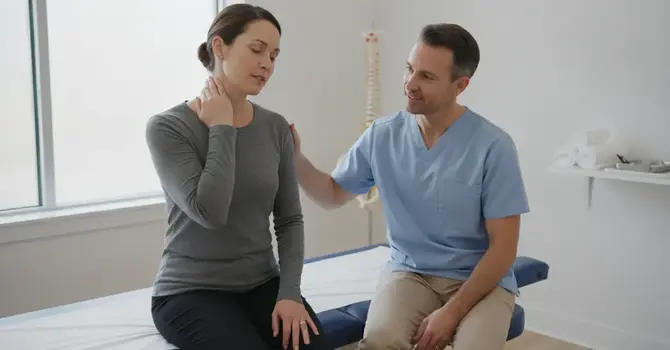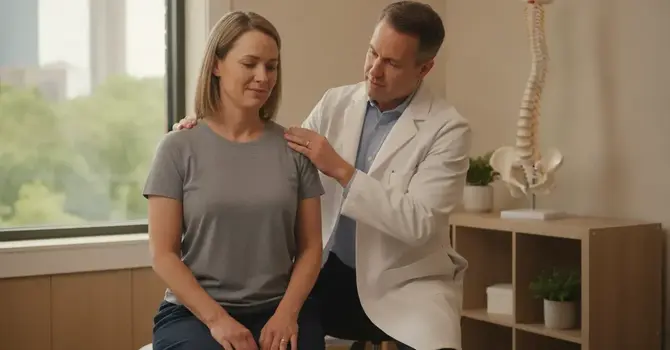
Let’s clear up a common myth: severe back pain does not automatically mean you need surgery. This outdated belief can cause a lot of unnecessary anxiety and may even prevent people from exploring safer, highly effective alternatives. Modern medicine has made incredible strides, and the focus is now on helping the body heal itself whenever possible. From therapies that use your own body’s healing factors to precise chiropractic adjustments that restore alignment, the goal is to address the underlying problem, not just mask it. This article will guide you through the powerful, evidence-based options for back pain treatment without surgery Atlanta clinics offer, so you can make a confident decision for your health.
Key Takeaways
- Address the Root Cause, Not Just the Symptoms: Effective non-surgical treatments like regenerative medicine and spinal decompression are designed to heal the underlying issue—such as a damaged disc or inflamed nerve—offering a more lasting solution than simply masking pain.
- A Precise Diagnosis Is the Foundation for Relief: The right treatment plan starts with a thorough evaluation to pinpoint the exact source of your back pain, ensuring the approach is tailored specifically to your condition for the best possible outcome.
- Choose a Less Invasive Path for a Better Recovery: By opting for non-surgical care, you can avoid the significant risks, high costs, and lengthy downtime of an operation, allowing you to heal while preserving your spine’s natural structure.
How Can I Treat Back Pain Without Surgery in Atlanta?
If you’re dealing with back pain, the thought of surgery can be daunting. The good news is that you have plenty of effective, non-invasive options right here in Atlanta to help you find relief and get back to your life. From advanced regenerative therapies to hands-on chiropractic care, these treatments focus on healing the root cause of your pain without the risks and long recovery times associated with surgery. Let's explore some of the best non-surgical paths to a healthier back.
Non-Surgical Spinal Decompression
Think of this treatment as a gentle, targeted stretch for your spine. Non-Surgical Spinal Decompression uses a specialized table to carefully lengthen your spine, which creates negative pressure within your discs. This process helps draw bulging or herniated disc material back into place and allows more water, oxygen, and nutrients to flow in and promote healing. It’s an excellent drug-free option for relieving pressure on pinched nerves, reducing pain from conditions like sciatica, and restoring proper alignment and disc height without any invasive procedures.
Chiropractic Care
Chiropractic care is centered on the idea that proper spinal alignment is key to your body's overall function and health. A chiropractor uses precise adjustments to correct misalignments in your vertebrae, which can take pressure off surrounding nerves, reduce inflammation, and improve your range of motion. This hands-on approach addresses the structural source of your back pain, rather than just masking the symptoms. By restoring proper spacing and movement in the spine, chiropractic adjustments can provide significant relief and help prevent future issues from developing.
Regenerative Medicine
This is where modern science meets your body’s natural healing abilities. Regenerative medicine uses treatments like Platelet-Rich Plasma (PRP) and stem cell therapy to repair damaged tissues and reduce inflammation at the source. Instead of just managing pain, these therapies aim to actually heal the injured discs, ligaments, or muscles in your back. By concentrating and injecting your body's own healing factors directly into the problem area, regenerative medicine can accelerate recovery and offer a lasting solution for chronic back pain, making it a powerful alternative to surgery.
Physical Therapy
Strength and stability are your best friends when it comes to a healthy back. Physical therapy focuses on building a strong foundation to support your spine through a customized program of targeted exercises and stretches. A physical therapist will guide you through movements designed to strengthen your core and lower back muscles, which act as a natural brace for your spine. This not only helps relieve current pain but also improves your mobility and makes you more resilient to future injury. It’s a proactive approach that empowers you to take control of your back health.
Therapeutic Bodywork
Sometimes, the source of back pain is tight, overworked muscles. Therapeutic bodywork, including massage and stretch therapy, directly addresses this muscular tension. A skilled therapist can work to release knots, relax tight muscles, and improve circulation to the affected area, which helps reduce pain and discomfort. After a session, it’s a great idea to do some gentle stretching to maintain that newfound flexibility. This approach is a fantastic way to manage muscle-related back pain and is often used to complement other treatments like chiropractic care or physical therapy.
Which Treatment Is Right for Your Back Pain?
Back pain isn’t a one-size-fits-all problem, so the solution shouldn’t be either. The key to finding lasting relief is to get an accurate diagnosis that pinpoints the exact cause of your discomfort. Is it a disc issue? A pinched nerve? Or maybe a simple muscle strain that just won’t quit? Each condition requires a unique approach, and what works for one person might not work for another. That’s why a thorough evaluation is always the first step.
At a comprehensive clinic, the team can use advanced diagnostic services to get a clear picture of what’s happening in your spine. Once the root cause is identified, a personalized treatment plan can be created just for you. This plan might include one or a combination of therapies designed to not only relieve your symptoms but also address the underlying issue to prevent future flare-ups. Let’s walk through some of the most common causes of back pain and the non-surgical treatments that can help you get back to feeling your best.
Herniated and Bulging Discs
Think of the discs in your spine as little jelly-filled donuts that cushion your vertebrae. A bulging disc is when that "donut" flattens and protrudes, while a herniated disc is when the "jelly" leaks out, often pressing on nearby nerves. Both can cause significant pain, numbness, or weakness.
Fortunately, surgery isn't your only option. A highly effective, non-invasive treatment is Non-Surgical Spinal Decompression. This therapy gently stretches the spine, creating negative pressure within the disc. This process can help retract the bulging or herniated material, taking pressure off the nerves and allowing your body’s natural healing processes to kick in. It’s a gentle way to encourage healing and find relief from disc-related pain.
Degenerative Disc Disease
Degenerative disc disease sounds scarier than it is—it’s not actually a disease but a term for the natural wear and tear our spinal discs experience over time. As we age, our discs can lose hydration, thin out, and become less effective shock absorbers, leading to pain and stiffness.
Traditional treatments often start with anti-inflammatory medications and physical therapy to manage symptoms. However, a more proactive approach involves regenerative medicine. Therapies like PRP or exosome injections can help reduce inflammation and support the body's ability to repair damaged tissue. By addressing the cellular health of the disc, these treatments aim to improve function and slow down the degenerative process, offering a more sustainable solution than just masking the pain.
Sciatica and Nerve Pain
If you’ve ever felt a sharp, shooting pain that travels from your lower back down your leg, you’ve likely experienced sciatica. This isn't a condition itself but a symptom of an underlying problem, like a herniated disc or bone spur, pressing on the sciatic nerve. Many common back and neck pains are caused by this kind of pressure on nerves.
Non-surgical treatments are often very effective for relieving this nerve compression. Chiropractic adjustments can realign the spine to take pressure off the nerve root, while spinal decompression creates more space for the nerve to function without irritation. For more persistent inflammation, targeted regenerative therapies can help calm the irritated nerve and promote healing in the surrounding tissues, providing relief right at the source of the problem.
Chronic Lower Back Pain
Chronic back pain is any pain that lasts for three months or longer. It can be incredibly frustrating and disruptive to your daily life. While most back pain isn't a sign of a serious medical issue, it's important to know the red flags. If your pain is accompanied by a fever, loss of bladder or bowel control, or progressive leg weakness, you should see a doctor immediately.
For persistent pain that isn't an emergency, a multi-faceted approach often yields the best results. The first step is always a proper diagnosis to understand the cause. From there, a combination of treatments like chiropractic care, sports injury care for targeted rehabilitation, and therapeutic bodywork can work together to restore function and reduce pain for the long term.
Muscle Strains and Sprains
Sometimes, back pain has nothing to do with your spine and everything to do with the muscles supporting it. An awkward lift, a sudden twist, or even poor posture can lead to a muscle strain or sprain. The good news is that this type of pain is usually temporary and doesn't cause lasting damage. Most muscle pain gets better within a few days or weeks.
However, if the pain is severe or you find yourself dealing with recurring strains, professional care can make a big difference. Treatments like therapeutic massage and stretch therapy can help release muscle tension, improve flexibility, and speed up the healing process. A specialist can also help you identify and correct any underlying imbalances or movement patterns that might be contributing to the issue.
Why Choose a Non-Surgical Approach?
When you’re dealing with persistent back pain, the thought of surgery can feel both daunting and inevitable. But what if it’s not your only option? Exploring non-surgical treatments is a powerful first step toward taking control of your health and finding lasting relief. Many people who were told they needed surgery have found incredible success with less invasive methods. These approaches focus on helping your body heal itself, addressing the root cause of the pain without the risks and long recovery associated with a surgical procedure.
Choosing a non-surgical path means you’re opting for treatments that work in harmony with your body. From regenerative medicine that uses your body’s own healing agents to chiropractic care that realigns your structure, these therapies are designed to restore function and get you back to your life. It’s about making an informed decision that prioritizes your long-term well-being, comfort, and lifestyle. By considering all the alternatives, you can find a solution that feels right for you and your specific condition.
Lower Health Risks
Any surgical procedure, no matter how common, comes with a set of potential risks, including complications from anesthesia, infection, and blood clots. Non-surgical treatments, on the other hand, are minimally invasive or completely non-invasive, which significantly reduces your exposure to these health risks. Choosing options like physical therapy or spinal decompression means you can avoid a hospital stay and the potential for post-operative complications. It’s a gentler approach that prioritizes your safety while still effectively targeting the source of your pain and helping you find relief.
More Cost-Effective Than Surgery
Let’s be practical—surgery is expensive. Between hospital bills, surgeon’s fees, and the cost of post-operative care and physical therapy, the numbers add up quickly. Non-surgical treatments are often much more cost-effective. Because these therapies don't require a hospital stay and have fewer associated costs, they can save you a significant amount of money. Investing in a non-surgical treatment plan can provide lasting relief from your back pain without the heavy financial burden of a major operation, making it a smart choice for both your health and your wallet.
Faster Recovery with Less Downtime
One of the biggest drawbacks of surgery is the long and often difficult recovery period. It can mean weeks or even months away from work, family, and the activities you love. In contrast, most non-surgical treatments allow you to get back to your daily life almost immediately. Many of these therapies, like non-surgical spinal decompression, are performed in an outpatient setting and have little to no downtime. This means you can pursue pain relief without having to put your life on hold, making it a much more convenient and manageable option.
Maintain Your Spine's Natural Structure
Surgery permanently alters the anatomy of your spine. While sometimes necessary, it’s a significant change that can have long-term effects. Non-surgical approaches are different because they aim to preserve your spine’s natural structure. Therapies like stretch therapy and regenerative medicine work with your body, encouraging it to heal and restore function on its own terms. This approach helps you manage and alleviate pain without fundamentally changing your body, supporting your spine’s integrity for years to come and empowering you to find a solution that honors your body’s natural design.
How to Choose the Right Back Pain Specialist in Atlanta
Finding the right specialist is the most critical step you can take toward healing your back pain. This isn't just about finding someone with the right credentials; it's about finding a partner who listens to you, understands your goals, and has a modern, comprehensive approach to care. The best specialists in Atlanta won’t push you toward a one-size-fits-all solution. Instead, they will work with you to create a personalized roadmap to recovery that fits your body and your life. They should be a resource and a guide, empowering you with knowledge and options so you can make informed decisions about your health.
A great specialist will have a deep understanding of the entire musculoskeletal system and offer a range of treatments under one roof. This integrated approach saves you from being shuffled between different offices and ensures your care is seamless. They should use advanced diagnostic tools to pinpoint the exact cause of your pain, rather than just treating the symptoms. As you begin your search, focus on finding a clinic that prioritizes your active participation and offers innovative, non-invasive therapies designed to help your body heal itself.
Debunking Common Myths
One of the biggest myths about back pain is that if it’s serious, you’ll need surgery. This idea can be incredibly stressful, but it’s largely untrue. Many people find lasting relief through effective non-surgical options, and it's important to know that surgery isn't always the best path forward. In fact, many common causes of back pain stem from issues that aren't resolved with an operation. A forward-thinking specialist will start with conservative, low-risk treatments first. They should offer advanced solutions like non-surgical spinal decompression and other therapies designed to help your body heal itself, reserving more invasive options as an absolute last resort.
What to Look for in a Treatment Plan
An effective treatment plan is a collaborative effort. Look for a specialist who views you as an active participant in your own recovery. Your first appointment should feel like a conversation, not a lecture. A great specialist will conduct a thorough evaluation, which may include digital X-rays or other imaging, to get a complete picture of what’s going on. From there, they should work with you to develop a personalized plan that addresses your specific condition, symptoms, and lifestyle. This plan should be comprehensive, potentially combining different therapies to support your healing from multiple angles and get you back to feeling your best.
Questions to Ask Your Doctor
To make the most of your consultation, it helps to come prepared. Before your visit, take a few minutes to jot down a list of your symptoms, when they started, and what makes them better or worse. It’s also a great idea to think about your goals. Do you want to get back to playing golf, lifting your grandkids, or simply sitting at your desk without pain? Communicating these goals helps your doctor tailor your treatment.
Here are a few key questions to ask:
- What do you believe is causing my back pain?
- What are all of my treatment options, both here and elsewhere?
- What are the risks and benefits of each option?
- What does a typical recovery process look like for someone like me?
Setting Realistic Expectations
Healing is a journey, not a destination. While non-surgical treatments can offer incredible relief and help you avoid the risks of an operation, recovery takes time and commitment. A trustworthy specialist will be transparent with you about what to expect. They will help you understand the process and set achievable goals along the way. Your treatment plan should be a dynamic roadmap that can be adjusted as you progress. True wellness is about building a foundation for long-term health, and that often involves a combination of treatments, like stretch therapy, to maintain your results and prevent future injuries.
How to Prepare for Your First Consultation
Walking into your first consultation can feel a little overwhelming, but a bit of preparation goes a long way. When you arrive with the right information and a clear idea of your goals, you and your specialist can create a partnership focused on getting you back to feeling your best. Taking these steps ensures your first visit is productive and sets a positive tone for your entire treatment journey. It’s all about making the most of your time so you can focus on what truly matters: finding effective relief for your back pain.
Gather Your Medical History
Before your appointment, take some time to pull together your medical background. This includes any previous diagnoses, imaging reports like X-rays or MRIs, and a list of past treatments you’ve tried for your back pain, noting what worked and what didn’t. Also, jot down a complete list of your current medications and supplements, including dosages. Be ready to describe your pain in detail: Where is it located? What does it feel like—sharp, dull, burning? When did it start, and what activities make it better or worse? Having this information organized helps your specialist get a comprehensive view of your health and pinpoint the root cause of your pain more efficiently.
What to Expect During Your Visit
Your first appointment will likely feel similar to a regular doctor's visit. You’ll start by discussing your medical history and the specific symptoms you’re experiencing. Your specialist will then perform a physical examination, which may involve checking your range of motion, reflexes, and muscle strength. This helps them assess your spine's condition and identify areas of concern. Depending on your situation, they might recommend in-house diagnostic services to get a clearer picture. The goal of this initial visit is to gather all the necessary information to make an accurate diagnosis and begin crafting a personalized treatment plan just for you.
Discussing Your Treatment Goals
This is your opportunity to share what you hope to achieve. Think beyond just "getting rid of the pain." What does a life with less pain look like for you? Maybe you want to play with your kids without wincing, return to your favorite sport, or simply sleep through the night comfortably. Make a list of your specific goals. Do you want to manage your pain without relying on prescription medication? Are you hoping to improve your mobility for daily activities? Communicating these objectives clearly helps your doctor tailor a treatment plan that aligns with your lifestyle and personal aspirations, ensuring the approach is a perfect fit for your needs.
Know the Red Flags for Back Pain
While most back pain can be treated effectively with non-surgical methods, it’s important to recognize symptoms that could indicate a more serious problem. If your back pain is accompanied by a fever, a loss of bladder or bowel control, or new or worsening weakness in your legs, you should seek medical attention right away. Pain that intensifies when you cough or sneeze can also be a warning sign. These "red flag" symptoms are rare, but they can point to an underlying condition that requires immediate evaluation. Being aware of them ensures you get the right care at the right time.
Related Articles
- Non-Surgical Spinal Decompression in Atlanta
- Pain Management Injections | Preferred Regen ATL
- Toradol Injections for Pain Relief in Atlanta
- Back Braces for Comfort and Support | PC&W Atlanta
- The Guide to Shoulder Pain Treatment in Atlanta | Preferred Regen ATL
Frequently Asked Questions
How do I know which non-surgical treatment is best for my specific back pain? That's the most important question, and the answer isn't something you have to figure out on your own. The best treatment for you depends entirely on the root cause of your pain, which is why a thorough diagnostic evaluation is always the first step. A specialist will use a physical exam and possibly imaging like digital X-rays to pinpoint whether your pain is coming from a disc, a nerve, or a muscle. From there, they can create a personalized plan that targets your specific issue, which might involve a combination of therapies to get you the best results.
Are these non-surgical treatments painful, and what is the recovery like? Most people find these treatments to be quite comfortable. For example, non-surgical spinal decompression is a very gentle process that many patients find relaxing. While regenerative injections can cause some temporary soreness at the injection site, it's typically mild and brief. The biggest advantage is the minimal downtime. Unlike surgery, which requires a long and often difficult recovery period, most of these therapies allow you to return to your daily activities almost immediately.
How long will it take to feel better with these treatments? The timeline for relief really varies from person to person and depends on the severity of your condition and the type of treatment you receive. Some people feel a noticeable improvement after just one or two sessions, especially with chiropractic adjustments or therapeutic bodywork. For conditions that involve tissue healing, like with regenerative medicine, the process is more gradual as your body works to repair itself over several weeks. The goal is not just a quick fix but sustainable, long-term healing.
I was told I might need surgery. Is it too late to try a non-surgical approach? It's absolutely not too late. A recommendation for surgery is just one opinion, and it's always wise to explore less invasive options first. Many people who were told surgery was their only choice have found incredible, lasting relief through non-surgical methods. These treatments are designed to help your body heal itself and can often address the underlying problem without the risks and permanent changes that come with an operation. Think of it as a powerful and essential step to take before considering a more invasive procedure.
What's the difference between getting a comprehensive treatment plan and just going to a single specialist, like a massage therapist? While a single therapy like massage can provide temporary relief for a symptom like muscle tightness, it may not address the underlying cause of your pain. A comprehensive treatment plan from an integrated clinic looks at the bigger picture. It combines different therapies that work together to not only soothe your symptoms but also correct the structural or cellular issue causing the pain. This approach leads to more effective and lasting results because it's designed to restore your body's function, not just mask the discomfort.