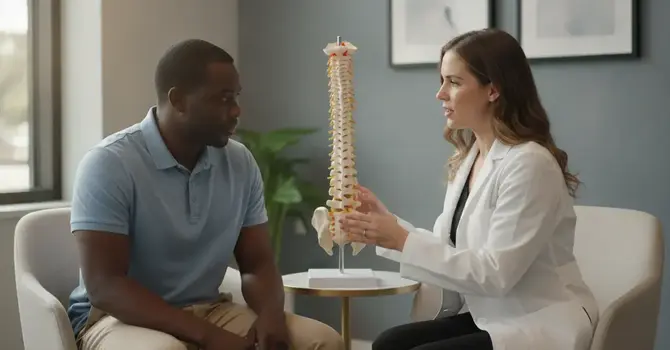
If the thought of anyone touching your back when it’s in this much pain makes you cringe, you’re not alone. Many people associate chiropractic care with forceful "cracking," which sounds like the last thing you want for a sensitive herniated disc. The truth is, modern chiropractic treatment for disc issues is often incredibly gentle. A skilled chiropractor for herniated disc pain uses a variety of precise, low-force techniques designed to reduce pressure on the nerve without causing more irritation. This article will debunk the common myths and show you what a safe, effective, and personalized chiropractic plan for a herniated disc actually looks like, from gentle spinal decompression to supportive therapeutic exercises.
Key Takeaways
- Diagnosis is the critical first step: Safe and effective treatment for a herniated disc begins with an accurate diagnosis. A skilled chiropractor will use a detailed physical exam, and often diagnostic imaging, to pinpoint the exact cause of your pain before creating a personalized treatment plan.
- Chiropractic care is a multi-faceted approach: Effective treatment goes beyond a simple adjustment. A comprehensive plan often includes a combination of gentle techniques like non-surgical spinal decompression, therapeutic exercises, and soft tissue therapies to relieve nerve pressure and support your body's natural healing process.
- A comprehensive plan is key for recovery: Lasting relief often requires more than just adjustments. An integrated treatment plan that combines chiropractic care with other non-surgical options, like spinal decompression or regenerative medicine, addresses the root cause of pain for a more complete recovery.
What Is a Herniated Disc?
If you’ve ever heard someone talk about a “slipped disc,” they were likely referring to a herniated disc. Think of the discs in your spine as tiny, jelly-filled donuts that sit between your vertebrae, acting as shock absorbers. A herniation happens when the tough outer layer of the disc tears, allowing some of the soft, gel-like center to push out. This bulge can press on the sensitive nerves in your spinal canal, leading to a whole host of uncomfortable symptoms.
What Causes a Herniated Disc?
A herniated disc can happen suddenly from an injury or improper lifting, but more often, it’s the result of gradual wear and tear called disc degeneration. Over time, your spinal discs lose some of their water content, making them less flexible and more prone to tearing. While it can happen anywhere along the spine, herniated discs are most common in the lower back (lumbar spine) and the neck (cervical spine). The pain you feel might not just be from the disc itself; it can also stem from the pressure it puts on nearby nerve roots, which can cause pain to radiate to other parts of your body. This is why finding a solution that addresses the root cause, like non-surgical spinal decompression, is so important for lasting relief.
Are You at Risk for a Herniated Disc?
While anyone can get a herniated disc, certain factors can increase your chances. Age is a big one, as discs naturally degenerate over time. Your job also plays a role; physically demanding occupations that involve repetitive lifting, twisting, or bending can put extra strain on your back. Even a sedentary lifestyle can be a risk factor, as weak core muscles provide less support for your spine. Other contributing factors include carrying excess body weight, which adds stress to the discs in your lower back, and genetics, as some people may inherit a predisposition to disc issues. Proactive care, including targeted stretch therapy, can help maintain spinal flexibility and reduce your risk.
Key Herniated Disc Symptoms to Watch For
A herniated disc doesn't always announce itself with pain. Sometimes, it's a silent issue. But when it does cause symptoms, they depend entirely on where the disc is located in your spine and whether it's pressing on a nerve. The pain is often described as "radiating," which means it travels from the source of the problem along the path of the affected nerve. Most herniated discs happen in the lower back (lumbar spine) or the neck (cervical spine), leading to very different sets of symptoms for each area. Recognizing these specific signs is the first step toward getting an accurate diagnosis and finding the relief you need.
Symptoms in Your Lower Back
When a disc herniates in your lower back, it can put pressure on the sciatic nerve, which is the longest nerve in your body. This irritation often leads to pain that starts in your buttocks and travels down your thigh and into your calf, sometimes reaching all the way to your foot. This radiating pain is a classic sign. Beyond just aching, common symptoms of a herniated disc include numbness or tingling sensations along that same nerve path. You might also notice weakened muscles in the affected leg, making it difficult to lift your foot or stand on your toes. These symptoms can be a major disruption, but effective treatments like non-surgical spinal decompression can provide significant relief without invasive procedures.
Symptoms in Your Neck (Cervical Spine)
If the herniated disc is in your neck, the symptoms will show up in your upper body. You'll typically feel a sharp or burning pain that is most noticeable in your shoulder and arm. Certain movements, like turning your head or looking down, might cause the pain to shoot down your arm. Just like with a lower back herniation, you might feel numbness or tingling in the parts of your body served by the affected nerves, which often means your hands and fingers. This can be accompanied by muscle weakness in your arm, hand, or shoulder, making it hard to grip objects or lift your arm. Getting a proper diagnosis is the first step toward finding the right chiropractic care to address these symptoms.
How Chiropractors Diagnose a Herniated Disc
Before any treatment begins, the first and most important step is getting an accurate diagnosis. You can't fix a problem if you don't know exactly what it is. Chiropractors use a detailed, hands-on approach to figure out if a herniated disc is the source of your pain. This process usually involves a combination of a thorough physical exam and, if needed, advanced diagnostic imaging to get a complete picture of what’s happening inside your body. This ensures your treatment plan is tailored specifically to you and your injury.
What to Expect During a Physical Exam
Your first visit will start with a conversation about your symptoms and health history, followed by a comprehensive physical exam. Chiropractors are skilled at identifying herniated discs through this hands-on evaluation. They will carefully check the area causing you pain as well as your entire spine, since everything is connected. The exam includes testing your reflexes, muscle strength, and range of motion to see if specific nerves are being affected. By understanding exactly where you feel pain, numbness, or weakness, your chiropractor can start to pinpoint which disc and nerve root are involved. This detailed assessment is a crucial part of the diagnostic process for any sports injury care or back pain issue.
Using Diagnostic Imaging for a Clearer Picture
While a physical exam provides a lot of information, sometimes your chiropractor needs to see what’s going on beneath the surface. In these cases, they may recommend diagnostic imaging to get a clearer view. An X-ray can help rule out other potential causes of your pain, like a fracture or spinal misalignment. If a herniated disc is strongly suspected, an MRI is often the next step. An MRI provides a detailed image of your spinal discs, nerves, and surrounding soft tissues, allowing your provider to see the exact location and severity of the herniation. Using tools like digital X-rays helps confirm the diagnosis and allows your care team to create the most precise and effective treatment plan for you.
Chiropractic Treatments for Herniated Disc Relief
When you're dealing with the pain of a herniated disc, the idea of any kind of movement can be scary. But the right kind of care can make all the difference. Chiropractic treatment for a herniated disc is a multifaceted approach designed to be both gentle and effective. It’s not about forceful cracking, but about using precise, controlled techniques to relieve pressure, reduce inflammation, and help your body heal itself. A chiropractor will create a personalized treatment plan that may include a combination of adjustments, decompression, and therapeutic exercises. The primary goals are to restore proper joint function, take pressure off the pinched nerve, and strengthen the muscles supporting your spine to prevent future issues. This comprehensive strategy addresses the root cause of your pain, not just the symptoms. At Preferred Regen ATL, we start with a thorough diagnostic process, including a physical exam and imaging if needed, to ensure we have a complete picture of your condition before recommending any treatment. This allows us to tailor a plan that is safe and specific to your body's needs, ensuring we're moving at a pace that feels comfortable for you while still being effective. We combine these foundational chiropractic methods with other supportive therapies to create a holistic path toward recovery.
Gentle Spinal Adjustments
Spinal adjustments are a cornerstone of chiropractic care, but they look a little different when treating a sensitive condition like a herniated disc. Your chiropractor will use gentle, low-force techniques to restore movement to the spinal joints around the affected disc. This might involve flexion-distraction, a method where a special table is used to gently stretch your lower back, or other precise manipulations. The goal is to reduce pressure on the disc and the irritated nerve. These adjustments can help decrease pain, improve your range of motion, and create a better healing environment for the disc itself. It's a safe and evidence-based way to manage disc issues without invasive procedures.
Non-Surgical Spinal Decompression
This therapy is a game-changer for many people with herniated disc pain. Non-surgical spinal decompression uses a motorized traction table to gently and methodically stretch your spine. As the table works, it creates a negative pressure inside the affected disc. Think of it like a vacuum effect that can help draw the bulging or herniated material back into place and away from the nerve. This process not only relieves pain but also allows more water, oxygen, and nutrients to flow into the disc, which is essential for healing. It’s a comfortable, non-invasive, and highly effective treatment for disc-related pain.
Guided Stretches and Therapeutic Exercises
Your recovery doesn’t just happen on the treatment table. A crucial part of your chiropractic plan involves active care, which means you’ll get a set of prescribed stretches and exercises to do. Your chiropractor will guide you through specific movements designed to reduce pain and strengthen the core and back muscles that support your spine. This isn't about hitting the gym; it's about targeted, gentle exercises that stabilize your spine without putting it at risk. Following this guided program is key to not only feeling better now but also building resilience to prevent the problem from coming back.
Supportive Soft Tissue Therapies
A herniated disc doesn't just affect your bones and nerves; it also causes your surrounding muscles to tighten up in response to the pain and inflammation. To address this, your chiropractor may include soft tissue therapies in your treatment plan. Techniques like therapeutic massage, myofascial release, or stretch therapy can help relax tense muscles, break up scar tissue, and improve circulation to the painful area. These therapies work hand-in-hand with adjustments and decompression to provide more complete and lasting relief from your symptoms.
Can Chiropractic Care Really Help a Herniated Disc?
So, let's get to the big question: can a chiropractor actually help with a herniated disc? The short answer is yes, for many people it can be a game-changer for pain relief and recovery. The longer, more honest answer is that it depends. The effectiveness of chiropractic care hinges on a few key factors: the specific techniques used, the skill of the practitioner, and a correct diagnosis from the start. It’s not a magic bullet, but rather a highly personalized approach to care that aims to address the root cause of your pain, not just mask the symptoms.
When done correctly, chiropractic treatments can alleviate pressure on the affected nerve, reduce inflammation, and improve spinal mechanics, which all contribute to healing. However, it's also true that not everyone has a positive experience. This is why it's so important to understand what makes chiropractic care successful and what potential pitfalls to look out for. A provider who takes the time to conduct a thorough evaluation, including diagnostic imaging when necessary, is setting you up for a much better outcome. Below, we’ll look at what the research says and explore why individual results can differ so you can make an informed decision about your health.
What the Research Shows
If you’re a fan of data, you’ll be happy to know that multiple studies support chiropractic care for herniated discs. Research has found that a significant majority of patients, around 80% in some studies, experience a "good clinical outcome." This means they feel less pain and see a reduction in other related issues. A key reason for this success is that chiropractic care is rarely just about a single adjustment. It often includes a combination of therapies like gentle non-surgical spinal decompression, therapeutic stretching, and soft tissue work. This multi-faceted, evidence-based approach is considered a safe and effective way to manage lumbar disc problems and get you back on your feet.
Why Your Results May Vary
While the research is encouraging, you may have heard stories from people who didn't get the results they hoped for. The reality is, not all chiropractic care is created equal, and your outcome depends heavily on the provider. A negative experience can often be traced back to a practitioner using a one-size-fits-all approach or failing to perform a thorough initial diagnosis. If a provider doesn't identify the true cause of your pain, the treatment may be ineffective or, in some cases, make things worse. This is why choosing a clinician who uses a comprehensive diagnostic process and customizes your treatment plan is absolutely essential for a safe and successful recovery.
Understanding the Potential Risks
Being an informed patient means looking at the full picture, and that includes understanding the potential risks of any treatment. While chiropractic care can be a powerful tool for many types of back pain, it’s not always the right fit for every person or every herniated disc. A trustworthy provider will always be transparent about what a treatment can and cannot do, ensuring you’re on the safest and most effective path to recovery. The key is to start with a precise diagnosis to determine if chiropractic adjustments are appropriate for your specific condition or if another therapy would be a better starting point.
When Chiropractic Care Isn't the Right Fit
While many people associate back pain with chiropractic adjustments, this approach isn't a universal solution for herniated discs. Some research suggests there isn't strong evidence to support using spinal manipulation for disc herniations, and in certain cases, it could even make the problem worse. This is why a thorough diagnostic process is so important. An initial evaluation, which may include Digital X-Rays, helps your provider see exactly what’s happening in your spine. If you have significant disc damage or instability, a practitioner may recommend gentler, more targeted therapies instead of traditional adjustments to avoid putting unnecessary stress on the injured area.
Red Flags: When to Seek Immediate Attention
Certain symptoms are more than just uncomfortable; they are red flags that signal a need for immediate medical evaluation. If you experience severe muscle weakness, a progressive loss of sensation in your legs or groin area (saddle anesthesia), or changes in your bowel or bladder function, you should seek attention right away. These can be signs of a rare but serious condition called cauda equina syndrome, where the nerves at the base of the spinal cord are severely compressed. While extremely uncommon, it's a medical emergency. A responsible chiropractor will screen for these symptoms and refer you to a medical doctor if they are present, ensuring you get the urgent care you need.
5 Myths About Chiropractic Care for Herniated Discs
When you’re dealing with the sharp, radiating pain of a herniated disc, you’ll do just about anything to find relief. Chiropractic care often comes up as a non-surgical option, but it’s surrounded by a lot of misinformation. Understanding the reality of what chiropractic treatment can and can’t do is the first step toward making an informed decision about your health. Let’s clear up a few common myths so you can feel confident in your path to recovery.
Myth #1: It's a "Cure"
It’s easy to hope for a single treatment that will instantly fix a herniated disc, but it’s important to see chiropractic care as a powerful management tool, not a magic cure. Most herniated discs heal over time with the right support. The goal of chiropractic treatment is to reduce pain, restore mobility, and create an ideal environment for your body to heal itself. Techniques like gentle adjustments and non-surgical spinal decompression can take pressure off the affected nerve, providing significant symptom relief. Think of it as helping your body do its job better, rather than an instant fix.
Myth #2: It's Always 100% Safe
While chiropractic care is widely recognized as a safe and effective therapy for many musculoskeletal issues, no treatment is completely without risk. In rare cases, improper adjustments could worsen a herniation. This is why a thorough initial assessment is so critical. A qualified chiropractor will conduct a detailed physical exam and review your medical history to determine if spinal manipulation is appropriate for you. At our clinic, we use precise diagnostic services to get a clear picture of your spine, ensuring that any treatment we provide is both safe and targeted to your specific condition.
Myth #3: All Chiropractors Use the Same Methods
The idea that every chiropractor just "cracks your back" is one of the biggest misconceptions out there. Modern chiropractic care is a multifaceted discipline that uses a wide range of techniques tailored to the individual. While spinal adjustments are a core component, your treatment plan may also include soft tissue therapies, therapeutic exercises, and guided stretch therapy to release muscle tension and improve flexibility. A comprehensive approach addresses not just the joint, but the surrounding muscles and ligaments, leading to more effective and lasting relief from herniated disc symptoms.
Myth #4: It's a Substitute for Medical Care
Chiropractors are specialists in the musculoskeletal system, but they are also part of a larger healthcare team. They are trained to recognize when a condition falls outside their scope of practice. If your symptoms are severe, such as significant muscle weakness or loss of sensation, or if your condition isn't improving with conservative care, a chiropractor will refer you to the appropriate medical specialist. This collaborative approach ensures you receive the most suitable care, whether it’s continued chiropractic treatment, sports injury care, or a surgical consultation.
Myth #5: Chiropractors Can Diagnose Any Spinal Problem
Chiropractors are highly skilled in diagnosing spinal conditions through physical exams, but a hands-on assessment is often just the starting point. To accurately pinpoint the cause of your pain and rule out other issues, advanced imaging is frequently necessary. An MRI or X-ray can confirm the presence and location of a herniated disc, which is essential for creating a safe and effective treatment plan. Relying on a provider who uses advanced digital x-rays ensures your diagnosis is precise, allowing for treatment that is targeted directly at the source of your problem.
Your First Chiropractic Visit: What to Expect
Walking into a new doctor’s office can feel a little intimidating, especially when you’re already dealing with pain. I want to help you feel prepared and confident about your first chiropractic visit. The main goal of this initial appointment is for us to get to know you, understand the specifics of your pain, and figure out the best path forward together. It’s a conversation and an investigation, not a one-size-fits-all procedure. We’ll listen to your story, perform a thorough evaluation, and explain every step of the process so you feel comfortable and informed.
How to Prepare for Your Appointment
Your first visit is all about discovery. To get a complete picture of your health, we’ll start by discussing your medical history, the nature of your herniated disc symptoms, and your wellness goals. Then, your chiropractor will perform a detailed physical exam. This isn't just about poking the sore spot; we’ll assess your posture, check your reflexes, and test your muscle strength and range of motion. As one source notes, chiropractors are skilled at finding herniated discs by checking the area of concern and your whole spine. We may also use in-house diagnostic services like digital X-rays to get a precise look at your spinal alignment and rule out other issues. Just come prepared to talk about your experience; we’ll handle the rest.
Setting Realistic Goals for Your Recovery
Recovery from a herniated disc is a journey, not a single event. Our goal is to create a personalized plan that provides lasting relief and restores function. While many people associate chiropractic care with spinal adjustments, our approach is much broader. We often integrate other therapies that are essential for healing. Your plan may include gentle non-surgical spinal decompression to relieve pressure on the disc, therapeutic stretching to improve flexibility, and soft tissue work to release muscle tension. This comprehensive strategy offers a safe and effective way to manage lumbar disc issues. Together, we will set achievable milestones and adjust your treatment as you progress, ensuring you’re always moving in the right direction.
Beyond Adjustments: Is Chiropractic Care Enough?
Chiropractic care is a fantastic starting point for managing the pain from a herniated disc, but it's often just one piece of a larger recovery puzzle. While adjustments can provide significant relief by restoring proper spinal alignment, they work best when they're part of a comprehensive strategy. Think of it this way: the adjustment helps correct the structural issue, but what about the inflammation, muscle tension, and tissue damage surrounding the disc? That's where a multi-faceted approach comes in. Many effective chiropractic plans already include complementary therapies like therapeutic stretching and soft tissue work to support the healing process and address the problem from all angles.
How Regenerative Medicine Enhances Chiropractic Care
Pairing chiropractic care with regenerative medicine can take your recovery to the next level. While chiropractic adjustments focus on spinal alignment and mobility, regenerative therapies work on a cellular level to help your body repair itself. This powerful combination helps calm inflammation, reduce nerve irritation, and restore motion more effectively than one approach alone. By incorporating treatments that support tissue healing alongside spinal adjustments, you're not just managing symptoms. You're creating an environment within your body that fosters genuine, long-term recovery. This integrated strategy helps you get back to your normal activities with greater confidence and less pain.
Creating Your Integrated Treatment Plan
The good news is that most herniated discs get better without surgery. The key is creating a personalized and integrated treatment plan that addresses your specific needs. This process starts with a thorough diagnosis to understand the root cause of your pain. From there, we can build a plan that combines gentle chiropractic adjustments with other non-invasive therapies like non-surgical spinal decompression. This holistic strategy doesn't just chase symptoms. Instead, it focuses on calming inflammation, taking pressure off the nerves, and improving your overall function for lasting relief and a better quality of life.
When to See a Chiropractor for Herniated Disc Pain
If you suspect you have a herniated disc, it's wise to get a professional opinion, even if your symptoms feel manageable. An unaddressed disc issue can affect your body's alignment and cause other problems down the road. A chiropractor is trained to perform a thorough evaluation to determine the root cause of your pain and create a safe, effective plan to address it. This initial assessment is a critical first step toward feeling better.
During your first visit, the chiropractor will conduct a comprehensive physical exam. They will carefully assess the painful area, test your reflexes to check nerve function, and evaluate your spine's overall health. This helps them understand the complete picture of your condition. In some cases, they may recommend diagnostic imaging like digital X-rays to get a clearer view of the affected vertebrae and disc.
A common misconception is that chiropractic care for a herniated disc always involves forceful "cracking." A skilled chiropractor knows that for an acutely inflamed disc, aggressive manipulation may not be the best approach. The primary goal is often to reduce inflammation and gently relieve pressure on the nerve. Your chiropractor's expertise lies in knowing which techniques are appropriate for your specific situation. This is why your treatment plan may include a variety of methods, from gentle adjustments and therapeutic exercises to advanced options like non-surgical spinal decompression. Seeing a chiropractor is about getting an expert diagnosis and a personalized strategy that helps you heal safely and effectively.
Related Articles
- Herniated Disc Decompression Atlanta: What to Expect | Preferred Regen ATL
- Non-Surgical Spinal Decompression in Atlanta
- A Guide to Back Pain Treatment Without Surgery in Atlanta | Preferred Regen ATL
- Why Chiropractic Is Crucial After an Auto Accident | Auto Accident Injury Care | Preferred Regen ATL
- Comprehensive Prenatal, Perinatal & Postnatal Support
Frequently Asked Questions
Is chiropractic treatment for a herniated disc painful? This is a very common and understandable concern. The thought of anyone touching your back when you're in pain can be scary. However, a skilled chiropractor uses specific, gentle techniques for herniated discs. The goal is to reduce pressure, not add to it. We avoid forceful manipulations on an inflamed disc and instead use methods like non-surgical spinal decompression or flexion-distraction, which are designed to gently stretch the spine and create space, providing relief, not more pain.
How long will it take for my herniated disc to feel better with chiropractic care? Recovery is different for everyone, so there isn't a single magic timeline. Your healing depends on several factors, including the severity of the herniation, how long you've had the symptoms, and your overall health. Some people feel relief after just a few sessions, while others may need a more extended care plan. The focus is on steady progress, reducing your pain, and restoring your function over time. Your commitment to the full treatment plan, including any at-home stretches or exercises, plays a big part in how quickly you recover.
Can a chiropractor physically push my "slipped" disc back into place? This is a popular myth, but it's not quite how it works. A chiropractor doesn't manually force the herniated disc material back into its original position. Instead, treatments like non-surgical spinal decompression create a negative pressure within the disc. This vacuum-like effect helps gently draw the bulging material back away from the nerve it's pressing on. The main goal is to relieve that nerve pressure and create an environment where your body can heal the damaged disc tissue more effectively.
What if chiropractic care isn't enough to resolve my pain? This is a great question because it highlights the importance of a comprehensive approach. While chiropractic care is highly effective for many, it's sometimes just one part of the solution. A good provider will constantly monitor your progress. If you aren't improving as expected, we will reassess your condition and adjust the plan. This is where an integrated clinic shines, as we can incorporate other powerful therapies like regenerative medicine to support tissue repair on a cellular level, giving you a more complete path to recovery.
Will I definitely need an X-ray or MRI before starting treatment? Not always, but it's an important tool we use to ensure your safety and the effectiveness of your treatment. A thorough physical and neurological exam often gives us a very clear idea of what's going on. However, if your symptoms are severe, if there was a specific injury, or if we need to rule out other potential causes for your pain, we will recommend diagnostic imaging. Getting a precise picture with a digital X-ray or MRI confirms the diagnosis and allows us to create a treatment plan that is perfectly tailored to you.