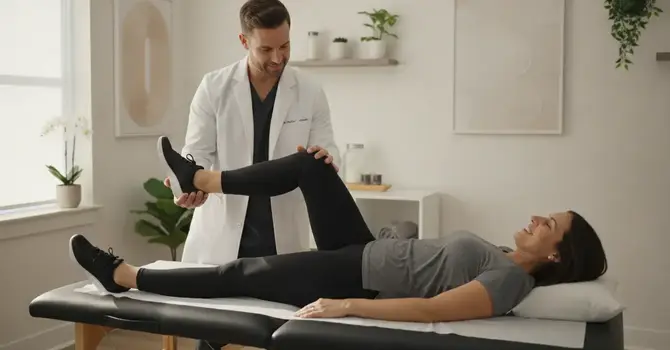
One of the most remarkable things about PRP therapy is its versatility. It’s not just for one type of injury or condition. Athletes use it to recover from sports injuries more quickly, individuals with osteoarthritis find relief from chronic joint pain, and it’s even used in aesthetics for hair restoration and skin rejuvenation. Because PRP works by supporting your body’s fundamental healing mechanisms, its applications are incredibly broad. If you're curious about whether this treatment could be the solution for your specific health concern, you’re in the right place. We’ll explore the wide range of conditions PRP can address and how our PRP injection clinic Atlanta customizes treatment plans for each person.
Key Takeaways
- PRP uses your own blood to accelerate healing and umbilical derived PRP: The treatment isolates powerful growth factors from your platelets and redirects them to an injury, promoting natural tissue repair without synthetic substances.
- It's a solution for stubborn injuries and chronic pain: PRP is a minimally invasive option for issues that heal slowly on their own, like tendonitis and osteoarthritis, helping you manage pain and improve function without surgery.
- Your results depend on the quality of the clinic: Not all PRP treatments are the same, so it's essential to ask about a provider's experience, the technology they use, and total costs upfront to ensure you receive safe and effective care.
What is PRP Therapy and How Does It Work?
If you're looking for a way to heal from an injury or manage chronic pain without surgery, you’ve likely come across PRP therapy. It’s a leading treatment in regenerative medicine, a field focused on harnessing your body's own power to repair itself. Instead of just masking symptoms, PRP aims to address the root cause of your discomfort by stimulating natural tissue repair. It’s a straightforward concept with powerful results. Let's break down what PRP is, what the process looks like, and how it taps into your body's incredible ability to heal.
Understanding Platelet-Rich Plasma
So, what exactly is PRP? The name sounds technical, but the idea is simple. PRP stands for Platelet-Rich Plasma. Your blood contains tiny cells called platelets, which are your body's first responders to an injury. They rush to the scene to stop bleeding and release powerful "growth factors" that kickstart the healing process. PRP therapy isolates and concentrates these platelets from a small sample of your own blood. The result is a potent plasma that contains many more growth factors than normal blood, creating a supercharged healing solution that can be precisely delivered to an injured area to accelerate tissue repair.
The PRP Injection Process, Step by Step
The entire PRP procedure is surprisingly quick and is completed in our clinic in less than an hour. First, we draw a small amount of your blood, just like a routine blood test. That sample is then placed in a centrifuge—a machine that spins it at high speed for about 15 minutes to separate the platelets and create the concentrated plasma. Once the PRP is ready, we often use ultrasound imaging to guide the injection. This ensures the solution is delivered with pinpoint accuracy to the exact source of your pain or injury, whether it's a tendon, ligament, or joint.
Tapping Into Your Body's Natural Healing Abilities
The real beauty of PRP therapy is that it uses your body's own natural healing abilities to fix injuries. We aren't introducing any synthetic substances; we're simply amplifying your body's built-in repair system and directing it where it's needed most. This makes it an excellent option for a wide range of issues, from nagging joint pain to acute sports injuries. By flooding an injured area with concentrated growth factors, PRP therapy can help reduce inflammation, promote the growth of new, healthy tissue, and accelerate your recovery, helping you get back to your life with less pain and improved function.
What Conditions Can PRP Injections Treat?
One of the most exciting things about PRP therapy is its versatility. Because it works by supporting your body’s own healing mechanisms, it can be applied to a wide range of health and wellness concerns. It’s a natural, minimally invasive option for everything from chronic joint pain and acute sports injuries to aesthetic treatments like hair restoration. If you're dealing with a nagging injury that won’t seem to heal or are looking for non-surgical ways to manage pain, PRP might be the solution you’ve been searching for. Let’s look at some of the most common conditions we treat with PRP injections.
Tendon and Ligament Injuries
Tendons and ligaments are the tough, fibrous tissues that connect muscle to bone and bone to bone. Unfortunately, they have a limited blood supply, which means they can be frustratingly slow to heal on their own. This is why injuries like tennis elbow, Achilles tendonitis, or jumper’s knee can linger for months. PRP injections deliver a powerful concentration of growth factors directly to the injured tissue, kickstarting a more robust healing response. This approach can help repair damage and reduce pain, getting you back to your daily activities without relying on long-term medication. It’s a key part of our regenerative medicine toolkit for helping the body mend itself.
Osteoarthritis and Joint Pain
Living with osteoarthritis can mean dealing with daily stiffness, swelling, and pain that limits your mobility. For those seeking an alternative to surgery or steroid injections, PRP therapy offers a promising solution. When injected into an arthritic joint like the knee, hip, or shoulder, PRP can help reduce inflammation and may even stimulate the formation of new cartilage. The goal is to improve joint function, decrease pain, and slow the progression of the disease. Many people find that PRP helps them stay active and manage their symptoms more effectively, providing a safe, non-surgical treatment for chronic joint pain.
Muscle Strains and Chronic Pain
Whether you’ve suffered an acute muscle pull or are dealing with persistent, chronic pain, PRP can help. For fresh injuries, like a strained hamstring or calf muscle, PRP injections can accelerate the repair of damaged muscle fibers, reducing recovery time. For chronic pain conditions, the therapy addresses the underlying inflammation that often prevents the body from fully healing. By using your body’s own platelets, PRP offers a natural way to manage pain and promote tissue repair without invasive procedures. This can be a game-changer for anyone who feels stuck in a cycle of pain and is looking for lasting relief.
Common Sports Injuries
Athletes are always looking for a competitive edge, especially when it comes to recovery. PRP therapy has become increasingly popular for treating common sports injuries because it can help them return to their sport more quickly and safely. Conditions like rotator cuff tears, plantar fasciitis, and other sprains and strains respond well to this treatment. Instead of just masking the pain, PRP aims to heal the injury at its source. This minimally invasive approach helps athletes avoid the long downtime associated with surgery, allowing them to focus on rehabilitation and getting back to peak performance.
Hair Restoration and Skin Rejuvenation
PRP’s regenerative power isn’t limited to joints and muscles; it’s also used effectively in aesthetics. For those experiencing hair thinning, PRP can be injected into the scalp to stimulate dormant hair follicles, encouraging new growth and increasing hair thickness. It’s a natural alternative to medications or surgical procedures. Similarly, PRP is used for skin rejuvenation. When applied to the face, it can help improve skin texture, reduce the appearance of fine lines, and restore a healthy glow by stimulating collagen production. It’s a fantastic way to use your body’s own resources to refresh your appearance.
Preparing for Your First Appointment
Your first visit is all about creating a personalized plan that’s right for you. This initial consultation is where we’ll discuss your health goals, symptoms, and medical history. To help us get a complete picture, it’s a good idea to bring any recent medical images you have, such as digital x-rays or MRIs. This conversation is the foundation of your treatment, allowing us to determine if PRP is the best approach for your specific condition. It’s also the perfect time for you to ask any questions you have so you can move forward with confidence.
Your Recovery and Post-Treatment Care
After your injection, your body gets to work. The recovery process is gradual and focuses on giving the treated area time to heal properly. We’ll advise you to rest the area for the first several weeks, followed by a slow and steady return to activity, often with the support of physical therapy or stretch therapy. We’ll schedule follow-up appointments to check on your progress and adjust your plan as needed. Most patients find they can return to their normal routines within a few months, feeling stronger and more comfortable as their body continues its natural healing process.
How Many Sessions Will You Need?
Since every person and every condition is unique, there’s no one-size-fits-all answer for the number of PRP sessions you’ll need. Your treatment plan is tailored specifically to you. Depending on the nature of your injury, your body’s response, and your overall goals, we may recommend anywhere from one to three injections. For some acute issues, a single session is enough to get results. For more chronic conditions or certain types of sports injury care, a series of treatments may be more effective. We’ll outline a clear recommendation for you during your initial consultation.
Safety and Potential Side Effects
One of the biggest advantages of PRP therapy is its strong safety profile. Because the injections use plasma derived from your own blood, the risk of an allergic reaction or adverse response is extremely low. The procedure is minimally invasive and generally well-tolerated. While side effects are rare, it’s possible to experience some temporary soreness, swelling, or bruising at the injection site. More serious complications like infection or nerve damage are very uncommon. We prioritize your safety and well-being, just as we do with all our non-surgical treatments, ensuring you receive the highest standard of care.
How to Choose the Right PRP Clinic in Atlanta
Finding the right clinic for your PRP therapy is just as important as the treatment itself. With so many options in Atlanta, it can feel a little overwhelming to figure out where to go. You want a team that not only understands the science behind PRP but also understands your specific health goals. The right clinic will have experienced professionals, use up-to-date technology, and be transparent about every step of the process, from costs to your personalized treatment plan.
Think of this as building a partnership for your health. You need to feel comfortable, confident, and heard. A great clinic will take the time to answer all your questions and make sure you have realistic expectations for your results. To help you make an informed decision, let’s walk through the key things to look for and the right questions to ask. This will help you find a provider you can trust to guide you on your path to recovery and wellness.
Checking a Provider's Qualifications
When you’re exploring regenerative medicine, the expertise of the person administering your treatment is everything. You wouldn't want a novice handling something so crucial to your health. It's important to choose a clinic where the staff is experienced and specifically trained in administering PRP therapy. Look for a team with clear qualifications and a history of performing these procedures. Don't be shy about asking about their training, certifications, and how many PRP treatments they perform. A confident and qualified provider will be happy to share their credentials with you.
Evaluating a Clinic's Technology
Not all PRP is created equal, and the technology used to prepare it plays a huge role. The quality of the equipment used to separate and concentrate the platelets from your blood can directly impact your results. Clinics that invest in more advanced, modern equipment can often produce a higher quality PRP, which may lead to a better and safer outcome. When you’re at a consultation, ask about the type of centrifuge system they use. This shows you’re an informed patient and helps you gauge the clinic’s commitment to providing top-tier care.
Understanding the Costs and Insurance
Let's talk about the financial side of things. In Atlanta, PRP sessions typically cost between $800 and $1,500 per session. It’s important to know that most insurance companies do not cover PRP therapy because it's often considered an elective or investigational treatment. This means you will likely have to pay for it yourself. A reputable clinic will be upfront about all costs involved, including the price per session and the recommended number of treatments. They should provide a clear, detailed breakdown so there are no surprises down the road.
Smart Questions to Ask at Your Consultation
Your consultation is your opportunity to interview the clinic and make sure it’s the right fit for you. Walking in prepared with a list of questions will help you get the clarity you need. Before you commit to a treatment plan, make sure to ask:
- What specific plan do you suggest for my goals and why?
- How many sessions do you think I will need?
- What will the total cost be for the entire treatment course?
- What kind of results can I realistically expect, and in what timeframe?
- Who will be performing my injections?
Related Articles
- PRP Therapy in Atlanta - Natural Healing at PC&W
- What is Platelet Rich Plasma? The Complete Guide | Preferred Regen ATL
- PRP Ankle Injections: Cost, Recovery & Results | Preferred Regen ATL
- Platelet Rich Plasma Recovery Time: What to Expect | Preferred Regen ATL
Frequently Asked Questions
Is the PRP injection painful? Most people find the procedure to be very manageable. We start with a standard blood draw, which feels like any other. For the injection itself, you might feel some pressure or a brief sting at the site. We do everything we can to make you comfortable, and the injection is over quickly. It's common to feel some soreness in the treated area for a few days afterward, which is actually a good sign that your body's healing response has been activated.
How soon will I see results from PRP therapy? Patience is key with PRP because it works by helping your body rebuild tissue, which doesn't happen overnight. While some people notice an improvement in their pain within a few weeks, the most significant results typically develop over two to three months as your body generates new, healthy cells. The goal is long-term healing, not a temporary fix, so the gradual improvement is part of the process.
What's the difference between PRP and stem cell therapy? This is a great question, as both are powerful regenerative treatments. Think of it this way: PRP uses the growth factors in your platelets to act like a foreman on a construction site, sending out signals to repair the damage and calling in the necessary resources. Stem cells, on the other hand, are like the raw building materials themselves—they have the ability to develop into new tissue, like cartilage or ligament cells, to actively rebuild the injured area.
Are there any specific things I need to do before my treatment? Yes, a little preparation can help ensure the best results. We generally advise patients to stop taking anti-inflammatory medications (like ibuprofen or aspirin) for about a week before the procedure, as these can interfere with your platelets' function. It's also important to be well-hydrated, so be sure to drink plenty of water in the days leading up to your appointment. We will give you a complete list of simple pre-treatment instructions during your consultation.
Can I continue with other treatments like chiropractic care after my PRP injection? Absolutely. In fact, we often recommend it. PRP therapy is fantastic for healing an injury at the cellular level, but it doesn't correct underlying structural or movement issues. Combining PRP with treatments like chiropractic care, physical therapy, or stretch therapy creates a comprehensive plan that supports the new tissue, improves function, and helps prevent the injury from happening again.