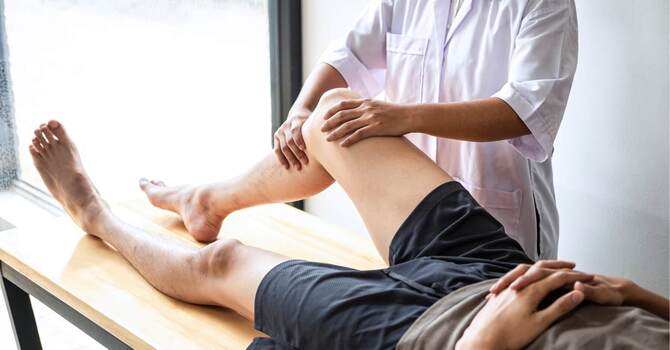
Hearing that you might need hip surgery can be overwhelming. The thought of a long, difficult recovery is enough to make anyone search for other options. If you're looking for a solution that falls between conservative treatments that aren't working and a major operation, Platelet-Rich Plasma (PRP) therapy is worth a serious look. This minimally invasive approach uses concentrated growth factors and regenerative biologic options to support cartilage and tendon repair in the hip. Depending on the treatment plan, Preferred Regen ATL may use PRP prepared from your own blood as well as other biologic products such as umbilical cell-derived or amniotic-derived options. It’s designed to help your body fix the problem, potentially delaying or even preventing the need for surgery altogether. As a leading option for PRP for hip pain Atlanta, it offers hope for real recovery without the risks and downtime of an operation.
Key Takeaways
- Preferred Regen ATL offers multiple regenerative biologic options: Depending on the patient and condition, treatment may use PRP prepared from your own blood as well as other biologic products such as umbilical cell-derived or amniotic-derived options, giving patients a minimally invasive path that targets the source of pain.
- It's not a one-size-fits-all solution: PRP is most effective for mild to moderate conditions like osteoarthritis or chronic tendon injuries, so a thorough medical evaluation is necessary to confirm it's the right approach for your specific situation.
- Prepare for the recovery and cost: While the procedure is quick, proper healing requires patience and following aftercare instructions, and you should plan for the treatment to be an out-of-pocket expense as it is rarely covered by insurance.
What Is PRP Therapy for Hip Pain?
If you're dealing with persistent hip pain, you’ve probably explored a few different treatment paths. Platelet-Rich Plasma (PRP) therapy is a treatment that works differently. Instead of masking pain with medication or resorting to surgery, regenerative biologic treatment is designed to support repair at the source of the problem. Depending on the patient and condition, Preferred Regen ATL may use PRP prepared from your own blood as well as other biologic products such as umbilical cell-derived or amniotic-derived options. The process is straightforward: we draw a small amount of your blood, place it in a centrifuge to concentrate the platelets, and create a powerful healing serum.
This concentrated plasma is then carefully injected directly into the injured area of your hip. Think of it as giving your body a supercharged dose of its own natural repair crew, right where it's needed most. This approach is part of a field called regenerative medicine, which focuses on helping your body heal from within. It’s an excellent option for chronic pain caused by conditions like osteoarthritis or tendon injuries, offering a path toward lasting relief by addressing the underlying damage.
How PRP Helps Your Hip Heal
So, how does a simple injection of your own platelets actually heal your hip? It all comes down to growth factors. When the concentrated PRP is injected into your hip joint, it releases hundreds of special proteins that act as signals to your body. These signals kickstart the healing process by attracting stem cells to the area, reducing inflammation, and encouraging the growth of new, healthy tissue. This targeted approach helps rebuild damaged cartilage, repair torn tendons, and calm the chronic inflammation that causes so much pain and stiffness in conditions like hip osteoarthritis.
Why Choose PRP Over Traditional Treatments?
Many people turn to PRP because they’re looking for an alternative to more invasive procedures like hip replacement surgery or the temporary relief of steroid injections. Unlike steroids, which can weaken tissue over time, PRP aims to strengthen and rebuild it. It’s a minimally invasive procedure that helps your body heal itself, which means less downtime and fewer risks compared to surgery. For those with mild to moderate hip pain who want to stay active and avoid a major operation, PRP offers a way to get long-term relief by actually fixing the problem, not just putting a bandage on it.
What Hip Conditions Can PRP Treat?
PRP is incredibly versatile and can be used to treat a wide range of issues causing hip pain. It’s a go-to for managing the chronic pain and stiffness of hip osteoarthritis by helping to repair worn-down cartilage. It’s also highly effective for soft tissue injuries, which are common in both athletes and active individuals. This includes conditions like gluteal tendinopathy (pain on the side of your hip), hip bursitis, and even small labral tears. If you’ve experienced a muscle strain or ligament sprain around your hip, PRP can accelerate your recovery. Our approach to sports injury care often includes PRP to help patients heal faster and more completely.
Is PRP for Hip Pain Right for You?
Deciding on the right treatment for your hip pain is a big step, and while PRP therapy is an exciting option, it’s important to know if it’s the best fit for your specific situation. The effectiveness of PRP depends on several factors, including the cause of your hip pain, the severity of your condition, and your overall health.
Think of it this way: your body has incredible healing potential, and PRP is designed to concentrate that power where you need it most. But for that to work, the conditions have to be right. A thorough evaluation is the only way to know for sure, but understanding the general guidelines can help you have a more informed conversation with your doctor. Let’s walk through what makes someone a good candidate for PRP and when another path might be better.
Are You a Good Candidate for PRP Therapy?
PRP therapy might be an excellent choice for you if you're dealing with mild to moderate hip pain that hasn't improved with more conservative treatments. This non-surgical approach may use PRP prepared from your own blood as well as other biologic products such as umbilical cell-derived or amniotic-derived options to help rebuild damaged tissue and kickstart healing. It’s often recommended for individuals with moderate osteoarthritis in the hip or chronic tendon injuries that just won’t heal with rest, medication, or physical therapy alone.
The ideal candidate is someone looking for a solution that supports the body’s natural healing mechanisms. If you want to avoid or delay surgery and have been told your condition isn’t severe enough for a hip replacement, PRP could be the answer. It’s all about harnessing your own biology to reduce pain and improve function, making it a powerful tool in our suite of regenerative medicine treatments.
When Another Treatment Might Be a Better Fit
While PRP has shown fantastic results for many, it isn't a universal solution. Its effectiveness can vary, and it may not be the best option for advanced cases of hip osteoarthritis. When the cartilage in the hip joint is severely worn down, there may not be enough healthy tissue left for the growth factors in PRP to effectively repair. In these situations, the damage might be too extensive for a regenerative approach to provide significant, long-lasting relief.
For individuals with advanced hip conditions who haven't found relief with non-surgical options, a treatment like hip replacement surgery may be a more practical solution. Our goal is always to find the right treatment for you, which means being honest about the limitations of each therapy and guiding you toward the path that offers the best possible outcome.
Health Factors That Affect Eligibility
Your overall health plays a crucial role in determining if you’re a candidate for PRP therapy. Because the treatment relies on the body's healing response, certain medical conditions can interfere with the process. For example, individuals with active infections, specific types of cancer (or a history of cancer that is not in remission), or certain blood and bleeding disorders may not be eligible. Using blood-thinning medications like Coumadin can also be a contraindication.
A comprehensive evaluation, which may include digital x-rays or other imaging, is essential to confirm that PRP is a safe and appropriate choice for you. This helps us get a clear picture of your joint health and rule out any underlying issues, ensuring you receive the most effective and personalized care possible.
A Step-by-Step Look at the PRP Procedure
If you're considering PRP therapy, you might be picturing a complicated, lengthy medical procedure. The good news is, it’s actually a very straightforward process that happens right in our office. The entire concept is built around using the body's healing response in a more concentrated form. We’re essentially taking the natural healing components already in your blood, creating a powerful serum from them, and delivering it directly to where your hip needs it most.
The whole appointment is typically finished in under an hour, and since it uses your own blood, the process is incredibly safe. Let’s walk through exactly what you can expect, from the moment you sit down for your treatment to the moment you walk out the door. Knowing the steps can help you feel more comfortable and confident in your decision to pursue this innovative path to healing.
Preparing Your Personalized PRP
The first step is simple: a quick blood draw, similar to what you’d have done for routine lab work. We’ll take a small sample of blood from your arm. This sample is then placed into a machine called a centrifuge, which spins it at a very high speed. This spinning process separates the different components of your blood. The goal is to isolate the platelets and plasma, creating a concentrated solution that we call platelet-rich plasma, or PRP. This personalized regenerative medicine treatment is prepared just for you, right on-site, ensuring it’s fresh and effective.
The Ultrasound-Guided Injection Process
Once your personalized PRP is ready, the next step is the injection. To make sure the PRP gets to the exact spot in your hip that needs healing, we use ultrasound guidance. This technology allows us to see inside your hip joint in real-time, so we can guide the needle with incredible precision to the damaged tendon, cartilage, or tissue. Using advanced diagnostic services like ultrasound is key to the treatment's success, as it ensures the concentrated healing factors are delivered precisely where they can do the most good, rather than just into the general area of pain.
What to Expect on Treatment Day
Your entire PRP appointment is designed to be efficient and comfortable. From start to finish, the process usually takes less than an hour. After your blood is drawn and spun in the centrifuge, the ultrasound-guided injection is performed. Once the injection is complete, you’re all set. Most people can return to their normal daily activities right away. We do recommend avoiding strenuous activities, like heavy lifting or intense exercise, for a short period to give the PRP time to begin working. Our team will provide you with clear aftercare instructions to support your sports injury care and recovery.
Your PRP Recovery and Results Timeline
So, you’ve had your PRP treatment. What comes next? Understanding the recovery process is just as important as the procedure itself. Your body is kicking off a natural healing cascade, and the timeline for recovery and results is unique to you. While some people feel a difference relatively quickly, PRP is not an instant fix. It’s a regenerative medicine approach that works with your body’s own schedule to repair tissue and reduce inflammation from the inside out.
Patience is your best friend during this phase. The growth factors in the platelet-rich plasma need time to stimulate cell repair and build new, healthy tissue in your hip. Think of it as planting a seed; it needs time and the right conditions to grow. Over the next few weeks and months, you’ll likely notice a gradual decrease in pain and an improvement in your hip’s function. We’ll walk you through what to expect, from the first few days of taking it easy to the long-term results you’re working toward. Following post-treatment care instructions carefully will give you the best possible outcome.
The First Few Weeks: Recovery and Restrictions
Right after your PRP injection, you can typically head home and get back to your normal daily activities. There’s no major downtime, which is one of the biggest perks of this treatment. However, "normal" doesn't mean hitting the gym for a heavy leg day. For the first few days, it’s best to avoid strenuous activities like heavy lifting, intense running, or high-impact exercise.
This initial rest period allows the platelets to settle in and begin their important work without being disturbed. You might feel some soreness or tenderness at the injection site, which is completely normal. Listening to your body is key. Gentle movement is fine, but pushing yourself too hard too soon can hinder the healing process.
Long-Term Healing and Realistic Expectations
While some people report feeling better within a few weeks, the full benefits of PRP therapy often take a bit longer to appear. The magic happens gradually as your body rebuilds damaged tissue. Most people start to notice significant improvements in pain and mobility around four to six weeks after the procedure, with continued progress for several months.
It’s important to remember that your body is doing some serious repair work behind the scenes. The goal of PRP is not just to mask pain but to address the underlying cause of your hip discomfort. This deep healing takes time. Sticking with your recommended treatment plan and any supportive therapies, like stretch therapy, can help you achieve the best long-term results.
How to Manage Post-Treatment Care
Your role in the healing process is crucial. One of the most important instructions is to avoid anti-inflammatory medications (like ibuprofen or naproxen) for at least a week or two after your injection, unless your doctor says otherwise. These medications can interfere with the inflammatory response that PRP is designed to create, essentially stopping the platelets from working properly.
If you experience discomfort, acetaminophen (Tylenol) is usually a safe alternative. Applying ice to the area for 15-20 minutes at a time can also help manage any soreness. Staying hydrated and eating a healthy diet gives your body the fuel it needs to heal efficiently. Always follow the specific aftercare instructions provided by our team to ensure a smooth and successful recovery.
Understanding the Potential Risks
PRP therapy is a very safe procedure, especially since it uses your own blood, which eliminates the risk of allergic reactions or disease transmission. However, like any procedure that involves an injection, there are some potential risks, though they are rare. These can include increased pain at the injection site, infection, or minor damage to nearby nerves or tissues.
Choosing an experienced provider who uses advanced imaging, like ultrasound guidance, significantly minimizes these risks by ensuring the injection is placed with precision. At Preferred Regen ATL, we use tools like digital x-rays and ultrasound to get a clear picture of your hip joint, which helps us deliver the treatment safely and effectively. We’ll discuss all potential risks with you beforehand so you can feel confident in your decision.
The Cost of PRP Therapy in Atlanta
Let's talk about one of the most practical questions on your mind: how much does PRP therapy cost? Understanding the financial side of treatment is a key part of making an informed decision about your health. While PRP is an investment in your long-term mobility and comfort, the price isn't a one-size-fits-all number. The total cost can vary quite a bit depending on your specific needs, the complexity of your hip condition, and the clinic you choose.
Think of it less as a simple purchase and more as a comprehensive care plan. The price often reflects the level of expertise, the quality of the technology used, and the personalized attention you receive throughout the process. In Atlanta, you'll find a range of pricing, so it’s important to understand what’s included in the fee. Some clinics may bundle consultation fees and follow-up appointments, while others price everything separately. We’ll break down the key components so you can feel confident as you plan for your treatment.
Breaking Down PRP Injection Pricing
When you start researching costs, you’ll find that pricing is typically done on a per-injection basis. For example, some Atlanta-area providers charge around $900-$1200 for an initial injection, with any additional injections during the same visit costing slightly less, perhaps around $600-$800 each. The final number of injections you need will depend entirely on your diagnosis and the treatment plan your doctor creates for you.
It’s also worth noting that if you require treatment in both hips, some clinics may offer a modified price for bilateral procedures. Always ask for a detailed quote during your consultation so you have a clear understanding of the costs upfront. This will help you budget accordingly and avoid any surprises down the road.
Does Insurance Cover PRP?
This is a big question for many patients, and the answer is usually straightforward: most insurance companies do not cover PRP therapy. Because it is still considered a newer, innovative treatment by many carriers, it’s often not included in standard insurance plans. You should prepare for PRP to be an out-of-pocket expense.
While it’s always a good idea to call your insurance provider and confirm your specific policy details, it’s best to move forward with the expectation that you will be responsible for the full cost of the treatment. Many clinics understand this and may offer payment plans or financing options to make the investment more manageable for their patients.
What Factors Influence the Total Cost?
The price on a quote sheet is determined by several key factors. First and foremost is the number of injections required to effectively treat your hip pain. A more complex condition may require more treatments over time. The provider’s expertise and the clinic’s reputation also play a role; highly specialized doctors who focus on regenerative medicine often have higher rates that reflect their advanced training.
Additionally, the technology used to prepare the PRP matters. Sophisticated centrifugation systems that produce a higher concentration of platelets can be more expensive but may lead to better results. Finally, the overall scope of your treatment plan, including any initial diagnostic services or complementary therapies, will be factored into the final cost.
How to Choose the Right Provider in Atlanta
When you’re investing in your health, the cheapest option isn’t always the best one. Choosing the right provider is about finding the best value, which includes expertise, technology, and a comprehensive approach to your care. Look for a clinic that has extensive experience performing PRP injections specifically for hip conditions. Don’t hesitate to ask about their process, including whether they use ultrasound guidance to ensure the injection is placed with absolute precision.
Reading patient reviews can also give you great insight into the quality of care you can expect. A top-tier clinic will insist on a thorough initial consultation, which may include digital X-rays or other imaging to confirm a diagnosis before recommending a treatment plan. This ensures you’re getting the right care for your specific needs.
Related Articles
- What is Platelet Rich Plasma? The Complete Guide | Preferred Regen ATL
- The Platelet Rich Plasma Procedure Explained | Preferred Regen ATL
- Platelet Rich Plasma Recovery Time: What to Expect | Preferred Regen ATL
- Your Guide to a PRP Injection Clinic in Atlanta | Preferred Regen ATL
- PRP Ankle Injections: Cost, Recovery & Results | Preferred Regen ATL
Frequently Asked Questions
Is the PRP injection itself painful? Most people describe the injection as a feeling of pressure or a brief, sharp pinch at the site. We take every step to make the process as comfortable as possible, which includes numbing the area before the injection. You might feel some soreness in your hip for a day or two afterward, which is a normal sign that the healing process is beginning.
How many PRP treatments will I need for my hip? This really depends on your specific condition, its severity, and how your body responds to the treatment. Many people find significant relief after just one injection. However, for more chronic or complex issues, a series of two or three treatments spaced several weeks apart might be recommended to achieve the best possible outcome. We'll create a personalized plan for you after your initial evaluation.
How long do the results of PRP therapy last? Because PRP therapy focuses on healing the underlying tissue damage rather than just masking symptoms, the results can be long-lasting. Many patients experience relief for a year or even longer. The durability of the results often depends on the initial injury and your lifestyle. Maintaining a healthy weight and staying active can help extend the benefits of the treatment.
What's the real difference between a PRP injection and a cortisone shot? Think of it this way: a cortisone shot is like a powerful fire extinguisher that quickly puts out inflammation and pain, but it doesn't repair the source of the fire. Its effects are often temporary, and repeated use can weaken tissues over time. PRP, on the other hand, is like calling in a construction crew to rebuild the damaged structure. It works more slowly but aims to fix the root problem for more sustainable, long-term relief.
Can I continue with other therapies like physical therapy after my injection? Absolutely. In fact, we often encourage it. PRP therapy works very well alongside other treatments like physical therapy, stretch therapy, or chiropractic care. Once the initial healing phase is underway, these supportive therapies can help restore your hip's strength, flexibility, and range of motion, which helps you get the most out of your PRP treatment.