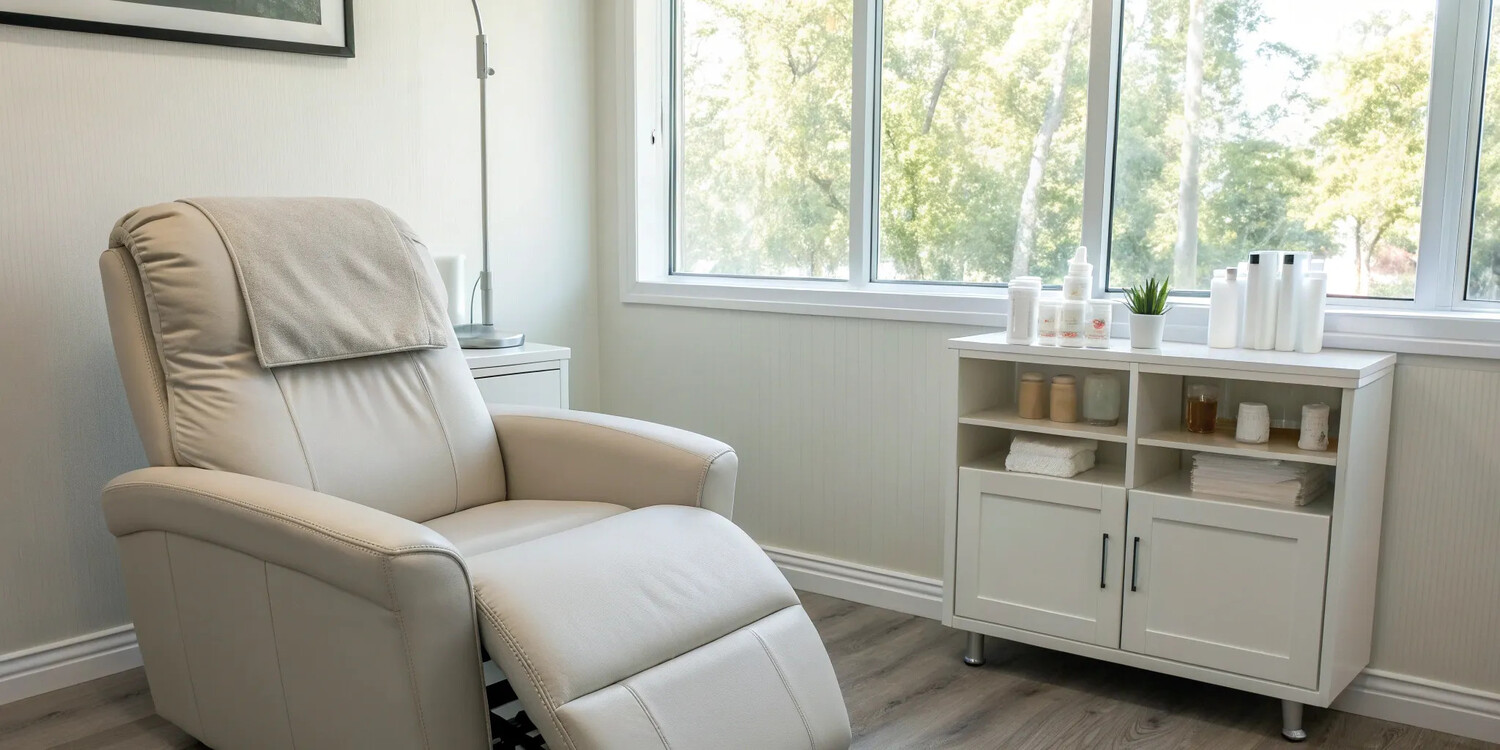
Let’s talk about what really matters in a PRP treatment: the quality of care you receive. The technology used to concentrate your platelets, the doctor’s injection technique, and their experience with your specific condition all play a huge role in your final outcome. Choosing a provider isn't just about finding someone who offers the service; it's about finding a true specialist. To help you make an informed decision, I've created this resource. We'll cover the critical factors to consider so you can confidently identify the best PRP doctors Atlanta has to offer and invest in a treatment you can trust.
Key Takeaways
- Find the Right Expert for Your Needs: Since PRP can be used for everything from joint pain to skin rejuvenation, it's crucial to find a provider who specializes in treating your specific concern. A doctor with a great track record in sports medicine is the perfect choice for an injury, but not necessarily for hair restoration.
- Ask the Right Questions Before You Begin: Your consultation is your chance to vet a potential provider. Be prepared to ask about their specific experience with your condition, the technology they use, and what your personalized treatment plan and total costs will look like.
- View PRP as a Journey, Not a Quick Fix: Lasting results take time. Expect a treatment plan that involves multiple sessions over several months, a gradual recovery, and out-of-pocket costs, as PRP is rarely covered by insurance.
Atlanta's Best PRP Doctors and Clinics
Finding the right clinic for your PRP treatment can feel like a big task, but Atlanta has some excellent options depending on your specific needs. Whether you're looking for relief from joint pain, seeking skin rejuvenation, or addressing hair loss, there's a specialist who can help. To make your search a little easier, I’ve gathered a list of some of the top-rated PRP providers in the area. Let's walk through what makes each of them stand out so you can find the perfect fit for your wellness journey.
Preferred Regen ATL
At Preferred Regen ATL, we focus on using PRP therapy as a powerful, non-surgical solution for injuries and chronic pain. Our approach centers on promoting tissue repair, reducing inflammation, and helping you recover your function and vitality. We see PRP as a key part of a broader plan for your health, integrating it with other innovative treatments to help you feel your best. If you're dealing with a nagging injury or persistent pain and want a treatment that supports your body's natural healing process, our clinic is designed to provide that comprehensive, personalized care.
Nip & Tuck Plastic Surgery
If your goals are more aesthetic, Nip & Tuck Plastic Surgery is a well-known name in Atlanta. Their team uses PRP therapy to address common signs of aging, like facial wrinkling and hair loss. As their site explains, the treatment "uses a person's own blood platelets to help repair damage and make skin look younger." Led by Dr. Jones, this clinic focuses on the cosmetic applications of PRP, making it a strong choice for anyone looking to refresh their appearance without undergoing more invasive procedures. They specialize in helping patients achieve a more youthful look through this natural treatment method.
Dermpath Atlanta
Located in Decatur, Dermatology Specialists of Atlanta offers PRP treatments with a clear focus on skin and hair health. They describe PRP as a "natural treatment that uses parts of your own blood to help your skin and hair heal and look younger." This clinic is a great option if you're specifically looking for a dermatologist's expertise to address issues like thinning hair or to improve your skin's texture and tone. Their specialization in dermatology means they have a deep understanding of how PRP can be applied to achieve the best possible results for skin and hair-related concerns.
Emory Healthcare Orthopedic & Spine Center
For those dealing with joint pain or tendon injuries, the Emory Healthcare Orthopedic & Spine Center is a leading institution. They use PRP therapy to "rebuild a damaged tendon" and treat chronic pain from conditions like moderate osteoarthritis. Their team applies PRP to a wide range of areas, including the hip, knee, shoulder, elbow, and ankle. As a major healthcare system, Emory offers a robust, research-backed approach, making them a trusted choice for patients with diagnosed orthopedic conditions who are seeking non-surgical relief and long-term healing.
Other PRP Providers to Consider
Beyond these clinics, many other specialists in Atlanta offer PRP. It’s a safe, non-surgical treatment that uses your body’s own platelets to help rebuild damaged tissue, whether it's cartilage or tendons. You'll find PRP offered at many sports medicine, orthopedic, and cosmetic practices across the city. The key is to find a provider whose specialty aligns with your goals. If you have a sports injury, a clinic focused on athletic recovery might be the best fit. For skin concerns, a dermatologist is ideal. Always do your research and choose a clinic with proven experience in the specific treatment you need.
Finding the Right PRP Treatment in Atlanta
Platelet-Rich Plasma (PRP) therapy is incredibly versatile, which is why you’ll see it offered for everything from hair loss to knee pain. Because it uses your body's own healing abilities, it can be applied to different areas to encourage natural repair and rejuvenation. The key is finding a practitioner who specializes in using PRP for your specific concern. Whether you're looking to restore your hairline, refresh your skin, or get back in the game after an injury, there’s likely a PRP application that can help. Let's walk through some of the most common uses for PRP in Atlanta and what makes it an effective option for each.
For Hair Restoration
If you're dealing with thinning hair, PRP therapy is a promising non-surgical option. The treatment uses growth factors in your own blood to stimulate hair follicles, encouraging new growth and increasing the thickness of existing hair. It’s a popular standalone treatment, but it can also make other cosmetic procedures work even better. A full treatment plan for hair restoration often involves three to six visits over several months to achieve the best results, so it's important to think of it as a process rather than a one-time fix. This multi-session approach is designed to create gradual, natural-looking improvements.
For Skin Rejuvenation
You might have heard of the "vampire facial," which is essentially PRP for skin rejuvenation. This treatment uses parts of your own blood to help your skin. A small amount of your blood is drawn and processed to concentrate the platelets, which are then applied to your skin, often after microneedling. This process helps stimulate new skin cells and collagen production, leading to smoother, firmer, and more youthful-looking skin. One of the biggest draws of PRP for skin is the durability of the outcome; results are known for being long-lasting, often persisting for one to two years at a time.
For Joint Pain and Arthritis
For those struggling with joint pain, tendon injuries, or arthritis, PRP offers a way to heal from within. As a safe, non-surgical treatment, PRP therapy uses platelets from your own blood to help rebuild damaged tendons or cartilage. Instead of just masking symptoms, PRP aims to address the root cause of the pain by promoting long-term tissue repair. By stimulating healing at the cellular level, it helps your body mend the damage that’s causing discomfort and limiting your mobility, making it a powerful tool in regenerative medicine.
For Sports Injuries
Athletes and active individuals often turn to PRP to recover from injuries without surgery. Whether you're dealing with a nagging tendon injury or osteoarthritis, PRP can be a game-changer. It is highly effective in promoting tissue repair, reducing inflammation, and enhancing overall recovery. This makes it an ideal solution for anyone seeking a powerful, non-surgical treatment for injuries and chronic pain. By offering a way to heal more efficiently, PRP for sports injuries helps you get back to your active lifestyle sooner and with more confidence.
What to Expect: PRP Treatment Costs in Atlanta
When you're considering Platelet-Rich Plasma (PRP) therapy in Atlanta, understanding the costs is a key part of the process. Prices can vary quite a bit based on the treatment area and the number of sessions you need, so it helps to have a general idea of what to expect. Here’s a straightforward guide to help you plan your investment in your health.
Cost for Hair Restoration
If you're looking into PRP for hair restoration, the approach usually involves a series of treatments to get the best results. Most clinics recommend a plan of three to six sessions, with the total cost generally falling between $1,800 and $7,200. The exact price depends on the extent of your hair loss and the specific protocol your doctor creates for you. Think of it as a personalized plan designed to stimulate natural hair growth. For many, restoring their hair is a huge confidence builder and a valuable part of their wellness journey.
Cost for Skin Treatments
PRP for skin rejuvenation, often called the "vampire facial," is a popular choice for improving skin texture and achieving a natural glow. For a series of three PRP microneedling sessions, you can expect to pay between $1,500 and $2,700 in the Atlanta area. This treatment works by using your body's own growth factors to encourage collagen production and cell turnover. Because the results build over time, clinics almost always package these treatments together. This ensures you get the full benefit and see a real difference in your skin's tone and firmness.
Cost for Joint and Pain Relief
For those seeking relief from joint pain, whether from arthritis or an old injury, PRP injections can be a game-changer. A single PRP injection for a joint like a knee or shoulder typically costs around $800. If your treatment plan requires additional injections in the same area, the price for subsequent shots is often reduced to about $600 each. This approach is a cornerstone of sports injury care and chronic pain management, helping to reduce inflammation and promote healing right at the source of the problem.
Understanding Insurance and Payment Options
Here’s the bottom line on insurance: most plans do not cover PRP therapy. Because it's often considered an elective or investigational treatment, you should plan for it to be an out-of-pocket expense. Don't let that discourage you, though. The best first step is to have a transparent conversation with the clinic's staff. Most offices can walk you through the total costs of your regenerative medicine plan and discuss any available payment options or financing. They are there to help you figure out a manageable way to invest in your health.
How to Choose the Right PRP Doctor for You
Finding the right doctor is arguably the most important step in your PRP journey. Since this is a specialized medical procedure, you want to be absolutely sure you’re in the hands of a skilled professional who understands your specific needs and goals. Think of it as building a partnership for your health. A great provider will not only have the technical expertise but will also take the time to listen to you, answer your questions, and make you feel comfortable and confident with the entire process from start to finish.
Doing a little homework upfront can make all the difference in your experience and your results. You’re looking for a combination of qualifications, relevant experience, and a firm commitment to safety and transparency. The right clinic will be open about its procedures, the technology it uses, and what you can realistically expect from treatment. This isn't just about finding someone who can perform the injection; it's about finding a team that supports your wellness goals. Taking the time to vet your options ensures you can move forward with peace of mind, knowing you’ve chosen a provider who is fully invested in helping you achieve the best possible outcome.
Check Their Qualifications and Certifications
When you’re looking for a PRP provider, start with the basics: their credentials. PRP therapy is a precise medical procedure that involves drawing your blood, processing it, and reinjecting it into a targeted area. This requires a deep understanding of human anatomy and sterile techniques. You’ll want to find a licensed medical professional, such as a doctor or a nurse practitioner, who has specific training in regenerative medicine. Don’t hesitate to ask about their certifications and where they received their training for PRP procedures. A qualified and confident provider will be happy to share this information with you. It’s your body, and you deserve to know you’re in capable hands.
Verify Their Experience with Your Condition
Not all PRP treatments are the same, and neither is a provider’s experience. A doctor who excels at using PRP for hair restoration may not be the best choice for treating a knee injury. It’s essential to find a practitioner who has a strong track record of treating your specific condition. During your consultation, ask how many patients they have treated with similar issues and what their outcomes were like. For example, if you’re an athlete, look for a clinic with extensive experience treating sports injuries. This specialized experience means they’ll better understand the nuances of your condition and how to tailor the PRP treatment for optimal results.
Ask About Their Equipment and Safety Protocols
The quality of the equipment used to process your blood directly impacts the quality of your PRP—and your results. Ask the clinic what kind of system they use. A "closed system," for example, minimizes the risk of contamination because the blood is never exposed to the open air. You can also ask about the platelet concentration their system achieves. A higher concentration of platelets generally leads to a more effective treatment. A top-tier clinic will also use proper diagnostic tools like ultrasound to guide the injections, ensuring the PRP is delivered exactly where it’s needed most. Safety and precision are key.
Key Questions for Your Consultation
Your consultation is the perfect opportunity to get all your questions answered and see if the clinic is the right fit for you. Go in prepared with a list of questions to help you make an informed decision. Beyond their qualifications and experience, you’ll want to understand the specifics of your treatment.
Here are a few key questions to ask:
- What is your recommended treatment plan for my specific condition?
- How many PRP sessions do you think I will need?
- What is the total cost for the entire treatment plan?
- What kind of results can I realistically expect, and when might I see them?
- What does the recovery process look like?
A good doctor will provide clear, direct answers and help you understand every aspect of a personalized treatment plan.
Your PRP Journey: Results and Recovery
Once you’ve had your PRP treatment, the next step is letting your body get to work. This part of the process is all about healing and patience. Since PRP uses your body's own growth factors to repair and rejuvenate tissues, the timeline and recovery process can look a little different for everyone. Understanding what to expect can help you feel confident as you move through the healing phase and look forward to your results.
How Long Until You See Results?
Patience is key when it comes to PRP. Because the therapy supports your body’s natural healing cycle, the results appear gradually, not overnight. Many people start to feel their symptoms improve within a few weeks of their treatment, but it can take up to six months to experience the full benefits. This isn't a quick fix; it's a process of true tissue repair as your body builds new, healthy cells. This foundational approach is central to the philosophy behind regenerative medicine, which focuses on creating lasting improvement from within rather than just masking symptoms with temporary solutions.
What to Expect During Recovery
Your recovery will largely depend on the area you had treated, as different parts of the body heal at their own pace. For cosmetic PRP treatments, like for your face or hair, you can often get back to your normal routine within 24 hours with minimal downtime. If you received an injection for a joint or a sports injury, your doctor might recommend a short period of rest or modified activity. This gives the area the best chance to heal properly. We will always provide you with clear, personalized aftercare instructions so you know exactly what to do to support your recovery.
Why Your Results May Vary
PRP is a highly personalized treatment, so it makes sense that the results are personal, too. Several factors can influence how you respond, including the specific condition being treated, its severity, and your overall health. Your age and certain lifestyle habits can also play a role in how quickly your body generates new, healthy tissue. This is why the initial consultation is so important. We’ll discuss your specific situation and health goals to set realistic expectations for what PRP can achieve for you. This ensures your treatment plan is perfectly aligned with your body's unique needs and gives you the best chance for success.
Planning for Multiple Sessions
For many conditions, a single PRP treatment is just the beginning of the healing process. To achieve the best and most lasting results, we often recommend a series of injections. A typical PRP therapy plan might involve three sessions spaced about three to four weeks apart. This approach allows each treatment to build on the progress of the last, giving your body a consistent supply of growth factors to heal itself effectively over time. Your doctor will work with you to create a customized treatment schedule that is tailored to your specific condition and your personal wellness goals.
Related Articles
- PRP Therapy in Atlanta - Natural Healing at PC&W
- What is Platelet Rich Plasma? The Complete Guide | Preferred Regen ATL
- Platelet Rich Plasma Recovery Time: What to Expect | Preferred Regen ATL
- The Platelet Rich Plasma Procedure Explained | Preferred Regen ATL
- PRP Ankle Injections: Cost, Recovery & Results | Preferred Regen ATL
Frequently Asked Questions
Is PRP therapy safe? Yes, PRP is considered a very safe procedure. Because the treatment uses a concentrate of your own blood, the risk of an allergic reaction or your body rejecting the substance is practically nonexistent. The most important factor for safety is the clinic you choose. A qualified medical professional will follow strict sterile protocols for drawing your blood and performing the injection to prevent any risk of infection.
How do I know if I'm a good candidate for PRP? The best way to determine if PRP is right for you is to schedule a consultation with a specialist. They will review your health history, discuss your goals, and assess your specific condition. Generally, PRP is a great option for individuals with mild to moderate osteoarthritis, tendon injuries, early-stage hair loss, or those seeking natural skin improvement. A thorough evaluation will confirm if it aligns with your needs and will give you the best chance for a great outcome.
Does the PRP injection process hurt? Most people find the discomfort from a PRP injection to be minimal and brief. The initial blood draw feels the same as any routine lab test. Before the injection, your doctor will typically apply a local anesthetic to numb the treatment area, which significantly reduces any pain. You may experience some soreness, swelling, or a feeling of pressure at the injection site for a few days afterward, but this is a normal part of the healing process.
How long do the results from PRP therapy typically last? The duration of your results really depends on the condition being treated and your body's individual healing response. For skin rejuvenation, many people enjoy the benefits for over a year. When used for joint pain or injuries, PRP is designed to promote long-term tissue repair, so the relief can be quite lasting. For hair restoration, you will likely need maintenance treatments every year or so to sustain the results.
Why isn't PRP therapy usually covered by insurance? Most insurance providers currently classify PRP therapy as an elective or investigational procedure, despite its growing track record of success. This means they don't yet consider it a standard or medically necessary treatment for most conditions. Because of this, you should plan for the cost to be an out-of-pocket expense. The good news is that many clinics understand this and offer financing or payment plans to help make the treatment more manageable.