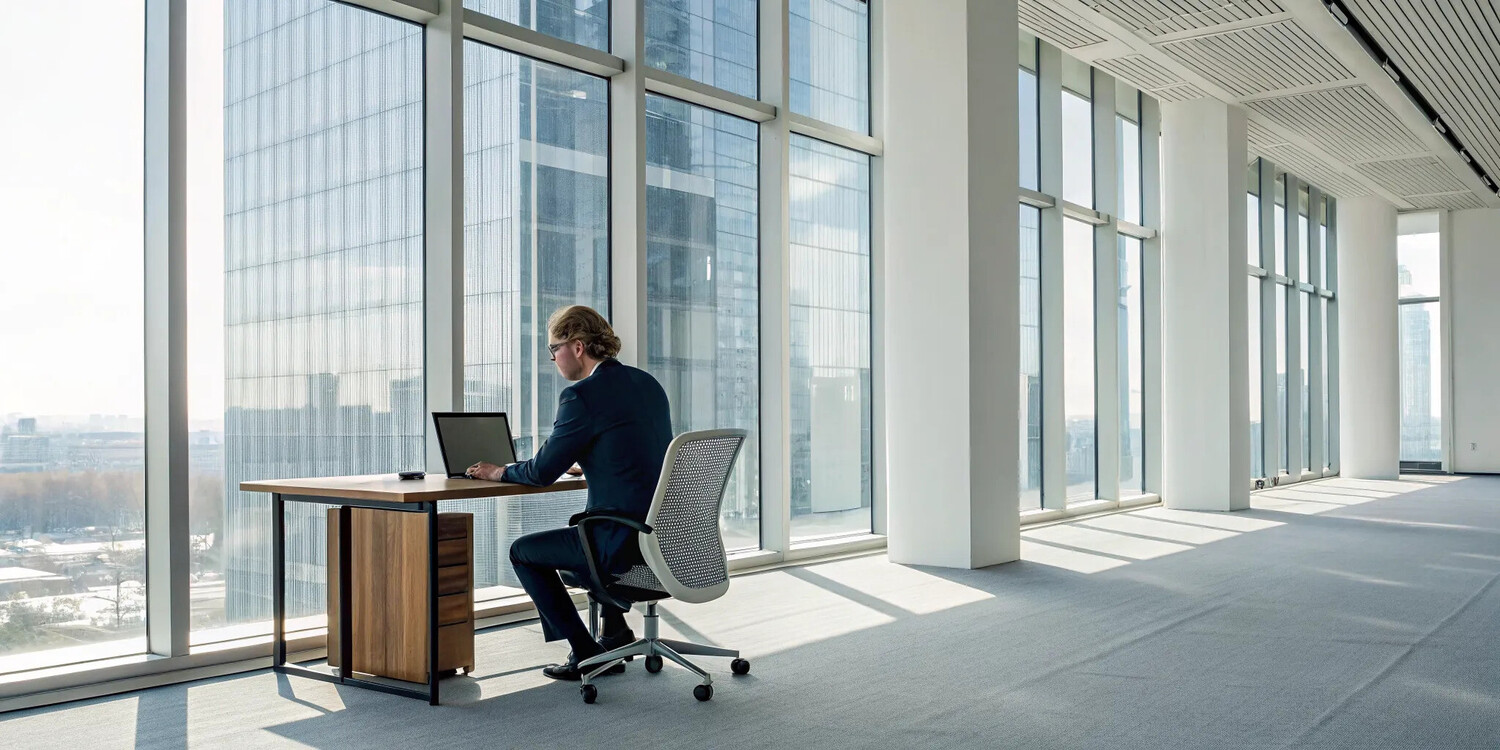
You probably don’t think of your office chair as a threat, but it might be one of the biggest contributors to chronic pain. While it seems harmless, prolonged sitting forces your body into an unnatural C-curve, putting continuous stress on your spine and joints. Over time, your muscles adapt to this slumped position, leading to deep-seated imbalances that are hard to correct on your own. This isn’t just about looking tired or feeling stiff; it’s about the structural integrity of your body. We’re going to explore why sitting all day is destroying your posture by looking at the specific ways it weakens your core, tightens your hips, and sets the stage for future injury, and when it's time to get a clear picture with diagnostic tools.
Key Takeaways
- Sitting Actively Reshapes Your Body: Prolonged sitting causes your body to adapt in harmful ways, weakening your core and glutes while tightening your hips and chest. This muscular imbalance is a direct cause of poor posture, spinal stress, and chronic pain.
- Small Movements Create Big Changes: You can counteract the effects of a sedentary day with consistent, small actions. Make it a habit to stand up every 30 minutes, adjust your workspace for better alignment, and perform daily stretches to open your chest and hips.
- Listen to Your Body's Warning Signs: Don't ignore persistent pain, numbness, or tingling, as these are signals to seek an expert opinion. When self-care isn't enough, professional treatments like chiropractic care and non-surgical decompression can address the root cause of postural problems for lasting relief.
How Sitting Impacts Your Body
Most of us sit a lot more than we think. Between desk jobs, commuting, and relaxing at home, hours spent in a chair can add up quickly. While it seems harmless, this prolonged sitting quietly takes a toll on your body. It’s not a sudden injury but a gradual process that affects everything from your muscles to your metabolism. Over time, your body starts to adapt to this sedentary state, leading to imbalances that can cause pain, stiffness, and poor posture. Understanding how sitting impacts your body is the first step toward counteracting its effects and protecting your long-term health.
Weakens and Tightens Muscles
When you’re sitting, your largest muscle groups, specifically your glutes and leg muscles, are completely inactive. Over time, this lack of use causes them to weaken. At the same time, the muscles at the front of your hips (your hip flexors) are held in a shortened, tight position. This combination is a recipe for imbalance. The tight hip flexors can pull your pelvis out of alignment, putting a strain on your lower back. To help release this chronic tension, many people find relief through targeted stretch therapy, which can correct these muscular imbalances and improve flexibility.
Stiffens Joints and Stresses Your Spine
Your spine is built to move, but sitting locks it into a static, often slumped, position. This C-shaped curve puts a great deal of pressure on the vertebrae and discs in your neck and back. Your shoulders tend to round forward, and your head drifts ahead of your body, straining the muscles in your neck. Meanwhile, your core muscles, which should be supporting your torso, become disengaged and weak. Without this crucial support system, your spine bears the brunt of the load, leading to stiffness and chronic pain. This is why treatments like non-surgical spinal decompression are so effective for people with desk jobs.
Slows Your Metabolism
Your body’s metabolism is the process of converting food into energy. When you are active, your metabolism works more efficiently. However, when you sit for long periods, this process slows down significantly. Your large, calorie-burning muscles are dormant, so your body’s ability to manage blood sugar and burn fat decreases. This metabolic slowdown can make it easier to gain weight, which in turn adds even more stress to your weight-bearing joints like your hips and knees. It creates a challenging cycle where a sedentary lifestyle not only impacts your posture but also your overall metabolic health.
The Ways Sitting Warps Your Posture
Spending hours in a chair does more than make you stiff; it actively reshapes your body. Over time, your muscles and joints adapt to that seated C-curve, pulling your spine out of its natural, healthy alignment. These postural shifts aren't just cosmetic. They create a domino effect of muscle imbalances, joint stress, and chronic pain that can seriously impact your daily life. Recognizing how sitting warps your posture is the first step toward reversing the damage. Let's break down the three most common postural problems that come from a sedentary day.
Rounded Shoulders and a Hunched Back
Think about how you sit at a desk: leaning forward, arms reaching for a keyboard. This position causes the chest muscles to become tight while the muscles in your upper back become overstretched and weak. Eventually, this imbalance pulls your shoulders forward and rounds your upper back, creating a permanent-looking slouch or hunch. This posture doesn't just look defeated; it feels that way, too. It places constant strain on your neck and upper back, often leading to persistent aches and knots between your shoulder blades. Correcting this requires more than just remembering to sit up straight; it involves addressing the underlying muscle imbalances that professional care can effectively target.
Forward Head Posture
Forward head posture, sometimes called “tech neck,” is exactly what it sounds like: your head juts forward, sitting ahead of your shoulders instead of directly above them. For every inch your head drifts forward, it adds about 10 extra pounds of force for your neck and upper back muscles to support. This constant strain is a major cause of chronic neck pain, tension headaches, and stiffness in your shoulders. Prolonged sitting, especially while looking down at screens, trains your body to hold this damaging position. Over time, this can lead to significant wear and tear on the discs and joints in your neck, which may require treatments like non-surgical spinal decompression to relieve the pressure.
A Tilted Pelvis and Weak Core
When you sit for long periods, the muscles at the front of your hips (your hip flexors) become short and tight, while the muscles at the back (your glutes) become weak and inactive. This imbalance can cause your pelvis to tilt forward, a condition known as an anterior pelvic tilt. This forces your lower back into an exaggerated curve, which is a primary driver of low back pain. It also contributes to a weakened core, as your abdominal muscles are no longer properly positioned to support your spine. Targeted stretch therapy can help lengthen those tight hip flexors and restore proper pelvic alignment, giving your lower back some much-needed relief.
Are You Seeing Signs of Posture Damage?
It’s easy to brush off a stiff neck or a little afternoon backache as a normal part of a long workday. But these small discomforts are often your body’s first warning signals that your sitting habit is causing real damage. Long before chronic pain becomes a daily reality, your body sends out clues that your posture is suffering. Some of these signs are easy to spot, like catching your slouched reflection in a window. Others are more subtle, representing the hidden ways your body tries to compensate for the strain.
Learning to recognize these signals is the first step toward reversing the effects of a sedentary lifestyle. When you understand what to look for, you can take action to protect your spine, relieve pressure on your joints, and prevent more serious issues from developing down the road. Paying attention to these physical and internal cues can also help you decide when it’s time to get a professional assessment. Our team uses precise tools like digital x-rays to see exactly what’s happening beneath the surface, giving you a clear picture of your spinal health.
Key Physical Warning Signs
Your body is pretty good at telling you when something’s off, and postural strain is no exception. The most obvious clues are often physical. You might notice your shoulders rounding forward even when you’re standing, or that your head juts out in front of your body, a classic sign of "tech neck." This forward head posture can add significant strain to your neck and upper back muscles. You may also experience persistent lower back pain that gets worse throughout the day or a general feeling of stiffness in your hips and spine. These aren't just random aches; they are direct signs that your core muscles are weakening and your spine is under stress from improper alignment.
How Your Body Secretly Compensates
Beyond the obvious aches, your body has sneaky ways of adapting to prolonged sitting, and these compensations can cause their own problems. Because you aren't using them, your leg and glute muscles can weaken, making it harder to maintain stability when you stand or walk. This muscular imbalance forces other parts of your body to work overtime. The effects aren't just physical, either. Studies show that people who sit more often may have a higher risk of feeling anxious or depressed. Over time, a sedentary lifestyle can even contribute to serious health issues by slowing your metabolism and affecting your cardiovascular system.
The Long-Term Risks of Poor Posture
A little bit of slouching here and there might not seem like a big deal, but when it becomes your default posture day after day, the cumulative effects can be serious. Poor posture isn’t just about looking less confident; it’s a physical stressor that can lead to significant health problems over time. From constant aches to issues with your internal organs, the damage goes far beyond the surface level. Understanding these long-term risks is the first step toward taking control of your health and making changes that will protect your body for years to come. Let's look at what's really happening inside your body when posture breaks down.
Chronic Neck, Back, and Shoulder Pain
That nagging ache in your neck or the persistent tension in your shoulders after a long day at your desk is your body sending a clear signal. When you sit with poor posture, certain muscles become overstretched and weak while others become tight and overworked. This imbalance puts continuous strain on your spine and the surrounding tissues. Research highlights that these prolonged musculoskeletal disorders are a direct result of poor sitting habits. Over time, this daily strain can transition from temporary discomfort into chronic pain that affects your quality of life, making it difficult to focus, sleep, or enjoy your favorite activities.
Spinal Degeneration and Disc Issues
Your spine is made of vertebrae cushioned by soft, gel-like discs that act as shock absorbers. Sitting for hours, especially with a slouched back, puts immense and uneven pressure on these discs. This constant compression, combined with a lack of movement, can starve the discs of the circulation they need to stay healthy. A sedentary lifestyle is strongly associated with an increased risk of serious spinal problems, including degenerative disc disease and herniated discs. This isn't just about back pain; it's about the structural breakdown of your spine, which can lead to nerve pain, numbness, and reduced mobility if left unaddressed.
Risks to Your Heart, Mind, and Overall Health
The consequences of a sedentary life extend well beyond your muscles and bones. Your cardiovascular system also takes a hit. Studies show that a lack of exercise is a primary cause of many chronic diseases, including heart disease. When you sit for most of the day, your circulation slows, and your body becomes less efficient at managing blood sugar and cholesterol. The impact is mental, too. Prolonged sitting has been linked to higher rates of anxiety and depression, showing that how we hold and move our bodies is deeply connected to our overall sense of well-being.
Trouble with Breathing and Digestion
Have you ever noticed you take shallower breaths when you're slouched over your computer? That's because poor posture directly impacts your ability to breathe deeply. When you hunch forward, you compress your diaphragm, which limits your lungs' ability to expand fully. This can lead to reduced oxygen intake, leaving you feeling tired and foggy. At the same time, this slouched posture puts pressure on your abdominal organs, which can slow down digestion and contribute to issues like acid reflux and constipation. Correcting your posture can give your internal systems the space they need to function properly.
Actionable Tips to Counteract a Sedentary Day
Feeling stuck at your desk doesn’t mean you have to accept poor posture as your fate. You can actively fight back against the effects of a sedentary day by weaving simple, intentional habits into your routine. It’s not about finding an extra hour for the gym; it’s about making small, consistent changes that add up. These practical tips will help you support your spine, engage your muscles, and protect your posture, one workday at a time.
Follow the 30-Minute Movement Rule
One of the most effective strategies is also one of the simplest: move more often. Try to stand up and move your body for five minutes every half hour. Set a timer on your phone or computer as a reminder to get up. You don’t need to do anything intense. Simply walk to the kitchen for a glass of water, march in place while you take a call, or do a lap around your office. Studies show that these brief, regular moving breaks can help offset the health effects of prolonged sitting. This simple habit breaks the cycle of stillness, preventing your muscles and joints from getting stiff and reminding your postural muscles to stay engaged.
Make Ergonomic Tweaks That Actually Work
Your workspace setup can either help or hurt your posture. Since long periods of sitting can lead to rounded shoulders and back pain, it’s crucial to adjust your workspace to promote a healthy, neutral spine. Start by positioning your monitor at eye level to prevent your head from drifting forward. Adjust your chair so your feet are flat on the floor and your knees are at a 90-degree angle. If your chair lacks lower back support, roll up a small towel and place it in the curve of your spine. These small modifications encourage better alignment and reduce the cumulative strain on your neck and back throughout the day.
Exercises to Strengthen Your Posture Muscles
Sitting for hours on end can weaken the very muscles responsible for holding you upright, particularly your glutes and core. You can strengthen your posture by incorporating a few key exercises into your week. Glute bridges are fantastic for activating your butt muscles, while planks are excellent for building core stability. Bodyweight squats also work your glutes and legs, which provide a strong foundation for your entire body. You don’t need any equipment for these movements, and doing just a few sets a few times a week can make a noticeable difference in your body’s ability to support itself and maintain proper alignment without conscious effort.
Stretches to Open Your Hips and Chest
Constant sitting shortens the muscles in the front of your body, specifically your hip flexors and chest muscles. This is what pulls your shoulders forward and tilts your pelvis, contributing to that classic "desk slouch." Counteract this by doing stretches that open these areas up. A simple doorway stretch, where you place your forearms on a doorframe and gently step through, is perfect for opening your chest. For your hips, try a kneeling hip flexor stretch. While daily stretching is key, if deep-seated tightness persists, professional stretch therapy can provide targeted assistance to release stubborn knots and improve your overall flexibility.
How Professional Care Can Restore Your Posture
While daily habits are your first line of defense, sometimes the effects of a sedentary lifestyle need a professional touch. If you’re dealing with persistent pain or feel like your posture is stuck in a slump, it might be time to get expert help. A team of specialists can create a plan tailored to your body, using advanced techniques to correct alignment, relieve pressure, and get to the root of the problem. This approach goes beyond simple exercises, offering targeted treatments that can truly restore your body’s natural balance and function.
Realign Your Spine with Chiropractic Adjustments
When you sit for hours, your spine can shift out of its natural alignment, leading to stiffness and pain. Chiropractic adjustments are a hands-on therapy designed to correct these misalignments. A chiropractor uses precise, gentle force to guide your vertebrae back into their proper position, which can provide immediate relief and improve your body's overall structure. Studies have shown that chiropractic care is an effective way to improve spinal function and reduce the kind of musculoskeletal pain that comes from poor posture. By realigning your spine, you create a stable foundation, making it easier to maintain good posture throughout your day.
Relieve Disc Pressure with Non-Surgical Decompression
Constant sitting puts a huge amount of pressure on the discs in your lower back, which can cause them to bulge or herniate. If you have nagging back pain or sciatica, non-surgical spinal decompression may be the solution. This therapy gently stretches your spine, creating negative pressure within the discs. This vacuum-like effect helps pull bulging material back into place and encourages the flow of oxygen and nutrients needed for healing. Research confirms that this therapy can significantly reduce pain and improve function for people with disc-related issues, offering a path to relief without surgery.
Pinpoint Damage with Diagnostic Tools
To effectively fix a problem, you first need to know exactly what you’re dealing with. You can’t treat what you can’t see, which is why a precise diagnosis is the first step toward lasting posture correction. Advanced tools like digital X-rays give healthcare professionals a clear picture of your spinal alignment, joint health, and any underlying damage that’s contributing to your pain. This detailed view takes the guesswork out of treatment. Instead of a one-size-fits-all approach, imaging allows your care team to develop a highly specific plan that targets your unique issues, ensuring a more effective and efficient recovery.
Using Bodywork to Aid Posture Recovery
While ergonomic adjustments and daily exercises are fantastic first steps, sometimes you need a little extra help to undo the knots and tension caused by prolonged sitting. This is where professional bodywork comes in. Think of it as a targeted reset for your muscles and connective tissues. These therapies go beyond surface-level stretching to address the deep-seated imbalances that pull your posture out of alignment.
When combined with chiropractic care and a consistent movement routine, therapeutic bodywork can significantly speed up your recovery. It helps release chronic tension, improve flexibility, and retrain your muscles to hold a healthier, more upright posture. At Preferred Regen ATL, we use a combination of techniques to create a personalized plan that addresses your specific patterns of tightness and restriction. By tackling the soft tissue component of poor posture, we can help you find lasting relief and build a more resilient frame.
Correct Your Form with Targeted Stretch Therapy
If you feel like your muscles have become permanently shortened from sitting, targeted stretch therapy can make a world of difference. This isn't just about touching your toes; it’s a professional, hands-on approach where a therapist guides your body through specific stretches to lengthen tight muscles and improve your range of motion. This therapy focuses on key areas affected by sitting, like the hip flexors, chest, and shoulders.
Regular, assisted stretching helps counteract the stiffness that locks you into a hunched position. Research shows that a consistent stretching practice can enhance muscle elasticity and joint mobility, which are both essential for better posture. By releasing this built-up tension, you allow your spine to return to a more natural and comfortable alignment.
Release Tight Muscles with Massage, Cupping, and Graston
Sometimes, muscle tightness is so deep that stretching alone isn't enough. That's when we turn to specialized techniques designed to release stubborn knots and fascial restrictions. Therapeutic massage is a powerful tool for reducing the muscle tension that contributes to poor posture. By improving circulation and manually working out tight spots, it helps your muscles relax and let go of chronic holding patterns.
We can also incorporate other methods like cupping therapy, which uses suction to lift tissue, enhance blood flow, and release fascial adhesions. For particularly stubborn areas, the Graston Technique uses specialized stainless steel tools to gently break down scar tissue and restrictions in the soft tissue. These therapies work together to free up your muscles, allowing your body to move more freely and settle into a healthier posture.
When Is It Time to See a Professional?
While a few stretches and walking breaks can work wonders, sometimes your body sends signals that require a more expert approach. Ignoring these signs can turn a manageable issue into a chronic problem. So, how do you know when it’s time to stop Googling stretches and start talking to a professional? If you notice any of the following signs, it’s a good idea to schedule a consultation.
Your Pain is Persistent
A little soreness after a long day is one thing, but persistent pain is your body’s way of telling you something is wrong. If you experience ongoing stiffness, discomfort, or pain in your back, neck, or shoulders that doesn't improve with self-care, it's time to get it checked out. A professional can help identify the root cause, and as the American Chiropractic Association notes, early intervention can prevent more serious complications.
You Experience Numbness, Tingling, or Weakness
Pay close attention to any feelings of numbness, tingling, or weakness, especially in your arms or legs. These sensations can be red flags for more significant musculoskeletal issues, like nerve compression caused by a herniated disc. According to the Mayo Clinic, chronic poor posture can lead to these kinds of problems. This isn't something to wait on; getting a professional evaluation is crucial for your long-term health.
It's Affecting Your Daily Life
Are you skipping your favorite workout, having trouble sleeping, or finding it hard to concentrate at work because of pain? When posture-related discomfort starts to interfere with your daily activities and quality of life, it’s a clear signal that you could benefit from professional guidance. A specialist can create a tailored plan, which might include chiropractic care or other therapies, to help you get back to doing what you love without pain.
You Have Other Unexplained Symptoms
Sometimes the signs aren't just in your back. If your posture problems are accompanied by frequent headaches, jaw pain, or even fatigue, it's often interconnected. A professional can help you see the full picture of how your posture is impacting your overall health. If you have difficulty performing daily activities due to pain, the Cleveland Clinic recommends consulting a healthcare provider. Getting a clear diagnosis is the first step toward feeling better.
Related Articles
- How to Fix Your Posture: A Step-by-Step Guide | Preferred Regen ATL
- The Importance of Spinal Health for Overall Wellness | Preferred Regen ATL
- 7 Surprising Benefits of Routine Chiropractic Visits | Preferred Regen ATL
Frequently Asked Questions
I have a desk job, so is bad posture just inevitable? Not at all. While a desk job presents challenges, you have a lot of power to counteract its effects. Think of it less as an inevitable fate and more as something that requires active management. By incorporating small, consistent habits like frequent movement breaks, simple stretches, and a few ergonomic adjustments to your workspace, you can prevent most of the damage. The goal isn't to have perfect posture 100% of the time; it's to break the cycle of being static and give your body the regular movement it needs to stay balanced.
How can I tell if my pain is just normal soreness or a sign of a real problem? It's normal to feel a little stiff after a long day, but that feeling should be temporary. The key difference is persistence. If your pain is constant, gets progressively worse throughout the day, or doesn't go away with rest and stretching, that's your body's signal that something more is going on. You should also pay close attention to any sensations like numbness, tingling, or weakness in your arms or legs, as these are definite signs that it's time to get a professional evaluation.
Will a standing desk fix all my posture problems? A standing desk can be a great tool, but it's not a magic bullet. The real enemy of good posture is staying in any single position for too long, whether you're sitting or standing. Standing all day can lead to its own set of issues, like foot pain and lower back strain. The best approach is to vary your position throughout the day. Use a standing desk to break up long periods of sitting, but make sure you're still taking walking breaks and listening to your body. The ultimate goal is movement, not just swapping one static posture for another.
What's the difference between the stretching I do at home and professional stretch therapy? Stretching at home is fantastic for daily maintenance and flexibility. Professional stretch therapy is a more targeted and diagnostic approach. A trained therapist uses their expertise to identify your specific areas of restriction and applies hands-on techniques to release deep-seated tension that you might not be able to reach on your own. They guide your body through movements to safely increase your range of motion, correct muscular imbalances, and help retrain your body to hold a healthier posture.
If my spine is out of alignment, can it go back into place on its own? Once postural patterns become ingrained, the spine and surrounding muscles often need help to return to a healthy position. While improving your habits can prevent further issues, it may not be enough to correct existing misalignments, especially if they are causing pain or stiffness. Professional care like chiropractic adjustments can gently guide your vertebrae back into proper alignment, while therapies like non-surgical decompression can relieve pressure on your discs. This creates the structural stability needed for your muscles to finally relax and support a correct posture.