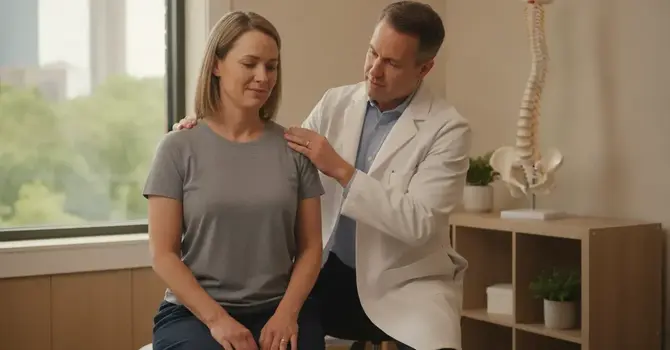
Trying to fix your back pain without knowing what’s causing it is like trying to fix a car by randomly replacing parts. You might get lucky, but you’ll likely waste a lot of time and energy without solving the real issue. An accurate diagnosis is the most critical first step toward finding relief that lasts. It’s the roadmap that guides every decision that follows. Using advanced diagnostic tools like digital X-rays and ultrasounds, a provider can get a clear picture of your spine’s structure and the condition of your soft tissues. This information allows them to pinpoint the exact source of your discomfort, whether it’s a herniated disc, spinal stenosis, or a muscular imbalance. This clarity is the foundation for creating effective long-term back pain solutions tailored specifically to you.
Key Takeaways
- Stop Guessing and Get a Diagnosis: Effective treatment starts with knowing the specific cause of your pain. A professional evaluation, using tools like digital X-rays, is the first step toward creating a personalized plan that actually works.
- Build a Comprehensive Treatment Plan: Lasting relief rarely comes from a single solution. The best results come from layering therapies like chiropractic care, non-surgical decompression, and regenerative medicine to address your pain from every angle.
- Make Daily Choices That Support Your Spine: Keeping pain away is an ongoing practice. You can protect your progress by maintaining a healthy weight, practicing good posture, managing stress, and staying consistently active with gentle movement.
What's Causing Your Long-Term Back Pain?
If your back pain has stuck around for more than a few months, you know how frustrating it can be. Finding a solution starts with understanding the source of the problem. Long-term back pain isn’t just about a single injury; it’s often a mix of factors related to your body’s structure, your daily habits, and sometimes, an underlying health issue. Pinpointing the cause is the first and most important step toward finding relief that actually lasts.
Structural and Mechanical Problems
Your back is an intricate structure of bones, muscles, joints, and nerves working together. When one part of this system is off, it can create a ripple effect of pain. A common cause is mechanical issues, like a herniated disc pressing on a nerve or joints that have worn down over time. Past injuries, even ones that seemed minor, can also lead to long-term instability and discomfort. Conditions like sciatica, where pain radiates down your leg, often begin with a problem in the lumbar spine. These structural issues can benefit from treatments like non-surgical spinal decompression, which gently relieves pressure on your discs and nerves.
How Your Lifestyle and Posture Play a Role
Think about how many hours you spend sitting each day, whether at a desk, in a car, or on the couch. Poor posture puts continuous strain on your spine and the muscles that support it. Over time, this constant stress can lead to chronic aches and stiffness as your body tries to compensate. Slouching weakens your core and back muscles, making you more vulnerable to pain from simple movements. The good news is that you can counteract these effects. Making a conscious effort to sit and stand straighter, along with incorporating services like stretch therapy, can help release tension and retrain your muscles for better alignment.
Underlying Health Conditions
Sometimes, persistent back pain is a symptom of a larger medical condition. If your pain has lasted for 12 weeks or more, it’s considered chronic, and it’s worth investigating if there’s an underlying cause. Conditions like spinal stenosis (the narrowing of the spinal canal), arthritis, or degenerative disc disease can all produce ongoing back pain. These issues often involve inflammation and tissue damage that don't resolve on their own. Identifying these conditions is key, as it opens the door to more advanced treatments. For many of these diagnoses, regenerative medicine offers a way to help your body repair damage and reduce inflammation at the source.
At-Home Remedies to Try First
When back pain becomes a constant companion, it’s easy to feel overwhelmed. Before exploring more intensive treatments, there are several simple and effective remedies you can try right at home. These strategies can offer significant relief, help you manage flare-ups, and give you a better sense of control over your symptoms. Think of them as your first line of defense, helping you tune into what your body needs while you figure out a long-term plan.
Hot and Cold Therapy
Alternating between hot and cold packs is a classic for a reason: it works. Heat is fantastic for relaxing tight, sore muscles and improving circulation. Try using a heating pad or taking a warm bath for about 15 to 20 minutes to soothe stiffness. On the other hand, cold therapy is your go-to for reducing inflammation and swelling, which often happens after a new injury or overexertion. An ice pack or even a bag of frozen vegetables wrapped in a towel can help numb the area and provide immediate relief. Managing chronic back pain often involves learning which therapy works best for your specific symptoms at any given moment.
Over-the-Counter Pain Relievers
For days when the pain is particularly distracting, over-the-counter (OTC) medications can help you get through. Medicines like acetaminophen (Tylenol) can target pain, while nonsteroidal anti-inflammatory drugs (NSAIDs) like ibuprofen (Advil) or naproxen (Aleve) tackle both pain and inflammation. While these can be very effective for short-term relief, it’s important to remember they aren’t a permanent solution for chronic issues. Always follow the directions on the label and think of them as a tool to manage acute flare-ups, not a long-term strategy. If you find yourself reaching for them daily, it’s a good sign that it’s time to explore the root cause of your pain.
TENS Units
If you're looking for a drug-free option, a TENS unit might be worth a try. TENS stands for Transcutaneous Electrical Nerve Stimulation, which sounds more intense than it is. These small, portable devices send mild electrical impulses through sticky pads you place on your skin near the painful area. The sensation can interrupt or block pain signals from reaching your brain, providing temporary relief. Many people find it helpful for managing persistent pain without medication. It's one of several noninvasive treatments for chronic pain that you can use from the comfort of your home.
Relaxation and Mindfulness
Never underestimate the connection between your mind and your body. Stress and anxiety can cause your muscles to tense up, making back pain feel much worse. Incorporating relaxation techniques into your daily routine can make a huge difference. Simple practices like deep breathing exercises, meditation, or even just setting aside a few minutes to listen to calming music can help ease muscle tension. This approach is a form of behavioral therapy, helping you change how you react to pain. By calming your nervous system, you can reduce your body’s physical stress response and lower your pain levels.
How Exercise Helps Relieve Back Pain
When your back hurts, the last thing you might want to do is move. But gentle, targeted exercise is often one of the best long-term solutions for managing and preventing pain. The right movements can make a huge difference by strengthening the muscles that support your spine, reducing stiffness, and improving your overall mobility. It’s not about pushing through intense workouts; it’s about re-educating your body to move in a healthier, more supported way.
Consistent, gentle activity helps deliver nutrients to your spinal discs and tissues, which keeps them healthy. It also reduces the inflammation that can contribute to chronic pain. Think of it as a way to build a natural brace for your back. By focusing on core strength, flexibility, and low-impact cardio, you can create a resilient spine that’s less prone to injury and flare-ups. A professional can help you find the right exercises for your specific condition, ensuring you get the benefits without making the pain worse.
Strengthen Your Core and Back Muscles
Your core muscles, which include your abs, obliques, and lower back, act as a natural corset for your spine. When these muscles are weak, your spine has to bear more of the load, leading to strain, poor posture, and persistent pain. Building a strong, stable core is a fundamental step in relieving long-term back issues. A targeted exercise program can help you activate and strengthen these deep stabilizing muscles.
A physical therapist or a chiropractic professional can design a routine tailored to your needs, ensuring you perform each movement correctly and safely. Simple exercises like planks, bird-dog, and bridges can be incredibly effective when done with proper form. The goal is to create a solid foundation that supports your spine through all your daily activities.
Improve Flexibility and Mobility
Stiffness and back pain often go hand in hand. When the muscles in your back, hips, and legs are tight, they can pull on your spine and restrict its natural movement. Improving your flexibility helps to release this tension, increase blood flow, and restore a healthy range of motion. Gentle stretching allows your muscles to relax and lengthen, which can provide immediate relief and prevent future tightness.
Activities that focus on mobility help keep your spinal joints lubricated and functioning smoothly. This is why services like professional stretch therapy can be so beneficial, as they guide your body through safe and effective stretches. By incorporating flexibility work into your routine, you’ll find that everyday movements like bending over or twisting become easier and less painful.
Add These Low-Impact Activities to Your Routine
You don’t need to run a marathon to get the benefits of exercise for your back. Low-impact activities are perfect because they get your body moving without putting excess stress or jarring force on your spine. Walking is a fantastic starting point, as it’s simple, accessible, and gently works your muscles. Swimming and water aerobics are also excellent choices, since the buoyancy of the water supports your body weight and reduces pressure on your joints.
Other highly recommended exercises include yoga, Pilates, and tai chi. These practices are known for building core strength, improving balance, and promoting flexibility all at once. The key is to start slowly, listen to your body, and choose an activity you genuinely enjoy. Consistency is more important than intensity.
Find Lasting Relief with Physical Therapy
If you’re tired of quick fixes that don’t last, physical therapy offers a path to meaningful, long-term relief. Think of it as an active, guided approach to healing your back from the inside out. Instead of just masking the pain, a physical therapist works with you to address the root causes, whether they stem from weak core muscles, poor posture, or limited mobility. It’s a collaborative process designed to restore function, build strength, and give you the tools to keep your back healthy for years to come.
Physical therapy is often recommended as a first line of defense for managing chronic back pain because it focuses on rebuilding the body’s natural support systems. A therapist will guide you through specific movements and exercises that are safe for your condition. This hands-on approach ensures you’re performing exercises correctly and effectively, reducing the risk of further injury. By combining targeted exercises with education, physical therapy empowers you to take control of your recovery and move with confidence again.
Get a Personalized Treatment Plan
One of the biggest strengths of physical therapy is that it’s never a one-size-fits-all solution. Your therapist will start with a thorough evaluation to understand your specific pain points, movement patterns, and lifestyle factors. From there, they create a tailored treatment plan designed to meet your unique needs. The goal is to build a strong foundation for a healthy back by focusing on key areas.
This often includes exercises to strengthen your core muscles, which act as a natural corset for your spine. Your plan will also incorporate movements to improve flexibility and restore proper posture, taking pressure off strained back muscles. This personalized approach ensures you’re working on the exact issues causing your discomfort, leading to more effective and lasting results. Many plans also integrate specialized techniques like stretch therapy to release tension and improve your range of motion.
Adapt Your Exercises as You Progress
Your physical therapy journey is a dynamic process, and your treatment plan will evolve right along with you. You won’t be stuck doing the same three exercises for months on end. A good therapist will continuously monitor your progress, listen to your feedback, and adjust your regimen to keep you challenged but safe. This might mean increasing the difficulty of an exercise, introducing new movements, or modifying your routine if you experience a flare-up.
This adaptive approach ensures you’re always moving forward. Your plan will likely include a mix of exercises to strengthen your back and core, stretches to enhance mobility, and even low-impact aerobic activities to improve overall fitness. By carefully testing your pain limits and adapting the plan, your therapist helps you build resilience and confidence without pushing you too far, too fast.
Learn Self-Management Strategies
Perhaps the most valuable part of physical therapy is what you take with you after your sessions are over. A key component of the process is patient education. Your therapist won’t just tell you what to do; they’ll teach you the why behind each exercise and help you understand your body’s mechanics. You’ll learn how to identify pain triggers, use proper body mechanics during daily activities, and perform your exercises independently.
This knowledge empowers you to become an active participant in your own long-term wellness. You’ll gain the skills to manage flare-ups on your own and the confidence to continue your exercises at home. The ultimate goal of physical therapy is to make you the expert on your own back, equipping you with a toolkit of self-management strategies that you can use for the rest of your life.
Professional Care: Chiropractic, Decompression, and Bodywork
When stretching and at-home remedies don’t provide the relief you need, it might be time to seek professional care. Hands-on treatments can address the specific structural and muscular issues causing your long-term back pain, offering a more targeted approach than you can achieve on your own. These therapies are designed to correct misalignments, relieve pressure on nerves, and release deep-seated muscle tension that contributes to chronic discomfort. By working with a trained provider, you get a plan that focuses on the root cause of your pain, not just the symptoms.
Many people find that a combination of professional therapies yields the best results. For example, a chiropractic adjustment can realign your spine, while therapeutic bodywork can address the tight muscles that may have pulled it out of alignment in the first place. Adding treatments like non-surgical decompression can create space for discs to heal, further enhancing the benefits. This integrated strategy ensures all aspects of your back pain are being addressed. It’s about using the right tools for the right problem, creating a comprehensive solution that sets you up for more meaningful and lasting relief.
Chiropractic Adjustments
Chiropractic care is a well-established, non-invasive treatment for back pain that focuses on the relationship between your spine and nervous system. A chiropractor performs manual adjustments to correct spinal misalignments, which can relieve pressure on nerves and restore proper movement. This process helps reduce pain, decrease inflammation, and improve your body’s overall function. If your back pain is related to poor posture, an old injury, or daily wear and tear, regular adjustments can be an effective way to manage symptoms and improve your mobility. It’s a hands-on approach to helping your body heal itself, often providing both immediate relief and long-term benefits for conditions from general stiffness to specific sports injury care.
Non-Surgical Spinal Decompression
If your pain stems from a bulging or herniated disc, sciatica, or degenerative disc disease, non-surgical spinal decompression offers a gentle and effective solution. This therapy uses a specialized traction table to carefully and comfortably stretch your spine. This stretching creates a negative pressure within the discs, which can help draw in bulging or herniated material and encourage the flow of healing nutrients into the area. The goal is to relieve pressure on the spinal nerves, which is often the source of sharp, radiating back pain. It’s a comfortable and relaxing procedure that can provide significant relief without the need for injections or surgery, making it an excellent option for those seeking a non-invasive path to recovery.
Massage, Cupping, and Graston Technique
Sometimes, the source of back pain is tight, knotted muscles and restricted soft tissues that just won’t let go. Therapeutic bodywork directly addresses these issues. Techniques like massage therapy help release chronic muscle tension and improve circulation to promote healing. Cupping uses suction to lift connective tissue, increasing blood flow and reducing stiffness in a way that feels like a deep "reverse" massage. The Graston technique involves using specialized stainless steel tools to gently break down scar tissue and fascial restrictions that limit your movement. Combining these methods can release stubborn trigger points, improve flexibility, and provide powerful relief from muscular pain, making them a great complement to other back care treatments.
Stretch Therapy
While stretching at home is beneficial, professional stretch therapy takes it to the next level. A trained therapist guides your body through specific stretches that you might not be able to achieve on your own, ensuring you do so safely and effectively. This process helps to systematically increase your flexibility, lengthen tight muscles like your hamstrings and hip flexors, and improve your overall range of motion. Guided stretching ensures you are targeting the right areas without risking injury. Over time, this can correct the muscular imbalances that contribute to chronic back pain, improve your posture, and help you move more freely and comfortably throughout your day.
When to Consider Advanced Medical Treatments
When you’ve tried stretching, physical therapy, and chiropractic care but your back pain just won’t quit, it can feel incredibly discouraging. You might feel like you've exhausted all your options. But this isn’t the end of the road. For persistent pain that disrupts your life, it might be time to look at more advanced medical treatments. These innovative options go beyond managing symptoms to address the root cause of your discomfort, helping your body heal from the inside out. They represent a shift from temporary fixes to lasting solutions.
Many people think their only remaining choice is surgery, but that’s rarely the case. A wide range of powerful, minimally invasive therapies can provide significant relief without the risks and long recovery associated with a surgical procedure. From targeted injections to cutting-edge regenerative medicine, these treatments can be the key to finally getting your life back. Exploring these solutions with a knowledgeable provider can help you find a path forward that avoids the operating room and focuses on long-term healing and function. It’s about finding a smarter, more targeted approach that works with your body’s own potential to recover.
Signs At-Home Treatments Aren't Working
If your back pain has stuck around for more than three months, it’s officially considered chronic. This is a clear sign that at-home remedies and basic care aren't enough. You should also seek medical advice if the pain is getting worse, spreading to other areas like your legs, or starting to interfere with your daily activities. When you can’t sleep through the night, focus at work, or enjoy your favorite hobbies because of your back, it’s time for a new strategy. Don’t just accept it as your new normal; persistent pain is your body’s way of telling you it needs more advanced help to heal properly.
Regenerative Medicine: PRP, Stem Cells, and Exosomes
Instead of just masking pain, regenerative medicine aims to repair the damaged tissues that are causing it in the first place. These treatments use powerful biological materials to reduce inflammation and kickstart your body’s natural healing processes. Therapies like Platelet-Rich Plasma (PRP), Stem Cells, and Exosomes can be game-changers for chronic back pain. Depending on your specific needs, PRP treatments may use a concentration of your own blood platelets or other biologics. For stem cell and exosome therapies, we use powerful biologics sourced from umbilical cord tissue to help your body regenerate and restore function to the injured area, offering a path toward lasting relief.
Injections and Other Minimally Invasive Options
For targeted relief, certain injections can be incredibly effective. These aren’t just about temporarily numbing the pain; they can also play a crucial diagnostic role. By injecting anti-inflammatory or numbing medications into specific joints, muscles, or near nerves, your doctor can often pinpoint the exact source of your discomfort. This information is invaluable for creating a more precise and effective long-term treatment plan. These minimally invasive procedures can provide the relief needed to engage more fully in other therapies, like physical therapy or stretching, creating a positive cycle of healing and recovery.
Is Surgery the Only Option Left?
Many people with chronic back pain worry that surgery is their only remaining option, but it should always be a last resort. Before you even consider going under the knife, there are numerous effective, non-surgical treatments to explore. Surgery is typically reserved for severe structural problems or nerve compression that hasn’t responded to any other form of care. It comes with significant risks, a lengthy recovery period, and no guarantee of success. Advanced treatments like non-surgical spinal decompression offer a powerful alternative, providing relief by gently creating space in the spine to heal damaged discs and relieve pressure on nerves, all without a single incision.
Why an Accurate Diagnosis Is Key
Guessing what’s causing your back pain can feel like throwing darts in the dark. You might find temporary relief with a heating pad or a new stretching routine, but if you don’t know the root cause, you’re only managing symptoms. Long-term relief starts with understanding exactly what’s going on with your spine, discs, nerves, and surrounding muscles. This is why getting a professional, accurate diagnosis is the most critical step you can take toward feeling better for good.
An accurate diagnosis moves you from a cycle of trial-and-error to a clear, targeted path forward. Back pain can stem from dozens of issues, from a herniated disc or spinal stenosis to a simple muscle imbalance that’s been building for years. Without knowing the specific problem, any treatment is just a temporary fix. By using advanced diagnostic services, a healthcare provider can pinpoint the source of your pain and create a treatment plan that addresses the actual issue, not just the discomfort it causes. This foundational step ensures your time, energy, and effort are invested in solutions that will truly work for you.
Using Digital X-Rays and Ultrasounds
To get a clear picture of what’s happening inside your back, healthcare providers often use imaging tools like digital X-rays and ultrasounds. Think of them as fact-finding missions for your body. Digital X-rays are excellent for examining the bones and joints of your spine, revealing issues like fractures, arthritis, or problems with alignment. Ultrasounds, on the other hand, use sound waves to create images of your soft tissues, including muscles, ligaments, and tendons. This helps identify injuries like strains or tears that an X-ray would miss. Using these tools together provides a comprehensive view, leaving no stone unturned in the search for the source of your pain.
How Imaging Guides Your Treatment
Once your provider has these detailed images, they can stop guessing and start planning. An accurate diagnosis is the roadmap that guides every treatment decision. For example, if imaging reveals a compressed disc, a provider might recommend non-surgical spinal decompression to gently create space in the spine. If the issue is primarily muscular, a plan involving therapeutic massage or stretch therapy might be the best approach. This targeted strategy prevents you from wasting time on ineffective treatments and ensures you receive the most appropriate care for your specific condition. It’s all about creating a personalized plan that gives you the best possible chance at lasting relief.
How to Keep Back Pain from Coming Back
Once you’ve found relief from long-term back pain, the next step is making sure it stays away. Preventing a recurrence isn’t about a single quick fix; it’s about adopting a few key lifestyle habits that support a healthy, resilient spine. Think of it as proactive care for your back. By integrating these strategies into your daily routine, you can protect the progress you’ve made and maintain your mobility for years to come. These habits empower you to take control of your health and keep your back feeling strong and pain-free.
Maintain a Healthy Weight and Diet
Carrying extra weight puts significant, constant pressure on your spine and the muscles that support it. By maintaining a healthy weight, you can directly reduce that load and lower your risk of future pain. Your diet also plays a huge role. Focusing on anti-inflammatory foods can help manage swelling and discomfort from the inside out. Try incorporating more antioxidant-rich foods like berries and leafy greens, along with healthy fats from sources like olive oil and fatty fish. These simple dietary choices support your body’s natural healing processes and contribute to long-term spinal health.
Improve Your Posture and Ergonomics
Good posture is an active habit, not a passive state. With so much of our time spent sitting at desks or looking down at phones, it’s easy for our alignment to suffer, leading to strain on the back and neck. Start by paying attention to how you sit and stand throughout the day. Make small adjustments, like pulling your shoulders back and engaging your core. If you work at a desk, check your office ergonomics. Ensure your monitor is at eye level and your chair supports your lower back. Taking short breaks to stand and stretch can also make a world of difference.
Manage Stress with Mind-Body Techniques
Stress and back pain are often linked. When you’re stressed, your muscles (especially those in your back and shoulders) tend to tense up, which can cause or worsen pain. Mind-body techniques can help you break this cycle. Practices like deep breathing, meditation, and mindfulness help calm your nervous system and release physical tension. Even taking just five minutes to focus on your breath can lower stress levels. Exploring Mindfulness-Based Stress Reduction (MBSR) can also help you change how you perceive and react to pain, giving you another tool for managing discomfort.
Stay Active Consistently
Movement is one of the best things you can do for your back. Consistent, gentle activity keeps your muscles strong, your joints flexible, and your spine supported. You don’t need to run a marathon; just 20 to 30 minutes of moderate exercise each day can help prevent pain from returning. Low-impact activities like walking, swimming, or cycling are excellent choices. Incorporating regular stretching is also crucial for maintaining mobility and relieving tightness. Professional services like stretch therapy can complement your routine by ensuring you move safely and effectively to keep your back healthy.
Why a Team Approach Gets the Best Results
Finding a lasting solution for back pain often means looking beyond a single treatment. Because chronic pain is complex, the most effective approach is usually a collaborative one. Think of it like assembling a personal team of experts who all have the same goal: getting you back to feeling your best. When your care is integrated, your chiropractor can work directly with a massage therapist, and both can coordinate with a specialist in regenerative medicine. This ensures that every aspect of your pain, from spinal alignment to muscle tension and cellular repair, is addressed in a cohesive way.
This team-based strategy prevents you from getting conflicting advice or treatments that work against each other. Instead, each therapy builds on the last, creating a synergistic effect that leads to better, faster results. For example, chiropractic care can restore proper joint motion, while therapeutic bodywork can release the tight muscles that were pulling your joints out of place. This comprehensive method is central to how we manage care at Preferred Regen ATL. By having a diverse team of specialists under one roof, we can create a truly personalized and integrated plan that addresses the root cause of your pain, not just the symptoms.
Combine Therapies for Better Relief
When you’re dealing with persistent back pain, layering different treatments is often more effective than relying on just one. Research shows that a combined approach using multiple non-surgical therapies can manage symptoms more successfully. For instance, you might find that a chiropractic adjustment provides immediate relief, but adding regular stretch therapy helps maintain that alignment and improves your flexibility long-term.
Similarly, combining non-surgical spinal decompression to relieve pressure on your discs with regenerative medicine can help your body heal the underlying tissue damage. Each therapy complements the others, creating a powerful, multi-pronged strategy for relief. Instead of just putting a temporary fix on the problem, this method works to correct the structural issues, relax muscle tension, and support your body’s natural healing processes all at once.
Adjust Your Plan with Your Provider
Your journey to a pain-free life is a partnership between you and your care team. An effective treatment plan isn't static; it should evolve as you progress. Open and honest communication with your provider is essential. It’s important to share what’s working, what isn’t, and how you’re feeling along the way. This feedback allows your team to make real-time adjustments, ensuring your plan remains tailored to your specific needs.
A key part of this process is patient education. Understanding your diagnosis, which is often clarified with tools like digital x-rays, empowers you to take an active role in your recovery. When you know why you’re doing certain exercises or receiving specific treatments, you’re more invested in the outcome. This collaborative process ensures your plan is always optimized to help you achieve the best possible results.
Create Your Long-Term Back Pain Plan
Finding lasting relief from chronic back pain isn’t about a single magic bullet; it’s about creating a sustainable, long-term strategy. The most effective plans are comprehensive, starting with conservative steps and building from there. Think of it as a roadmap for your recovery, one that you develop with your healthcare provider. This journey often begins with simple lifestyle adjustments, gentle exercises, and at-home therapies to see what brings you initial relief.
A successful plan almost always uses a combined approach. Relying on just one type of treatment often leads to frustration. Instead, the goal is to layer different therapies that complement each other. For example, you might pair professional treatments like chiropractic adjustments or non-surgical spinal decompression with a consistent stretching routine and ergonomic changes at your desk. This holistic method addresses your pain from multiple angles, giving you a much better chance at long-term success.
A huge part of this process is education. Understanding the root cause of your pain and how different treatments work is incredibly empowering. When you’re informed, you can become an active participant in your own healing, ask better questions, and feel more confident in your decisions. Your provider’s role is not just to treat you, but to teach you how to effectively start managing chronic back pain for yourself. By working together, you can create a personalized and adaptable plan that fits your unique body, diagnosis, and lifestyle.
Related Articles
- The Guide to Chiropractic Pain Relief in Atlanta | Preferred Regen ATL
- 7 Surprising Benefits of Routine Chiropractic Visits | Preferred Regen ATL
- A Guide to Back Pain Treatment Without Surgery in Atlanta | Preferred Regen ATL
- What to Expect: Corrective Chiropractic at Preferred Regen ATL | Preferred Regen ATL
Frequently Asked Questions
How do I know when it’s time to see a professional for my back pain? A good rule of thumb is to seek professional care if your back pain has lasted for more than a few weeks without improvement, or if it’s severe enough to interfere with your daily life, like sleeping or working. You should also see a provider if the pain is sharp and radiates down your leg, or if it’s accompanied by numbness or weakness. These are signs that at-home remedies aren't enough and you need an expert to find the root cause.
With so many options like chiropractic, massage, and decompression, where should I start? It can feel overwhelming, but you don’t have to figure it out alone. The best first step is to get a comprehensive evaluation from a provider who can diagnose the specific cause of your pain. Based on that diagnosis, they can recommend the right combination of treatments. For example, your plan might start with chiropractic adjustments to correct alignment and then add therapeutic massage to address the related muscle tension. The goal is to build a team and a plan that targets your unique issue from all angles.
I’m worried that exercise will just make my back pain worse. How can I start safely? That’s a very common and valid concern. The key is to start slowly with gentle, low-impact activities. Simple walking or swimming are excellent choices because they strengthen your muscles without putting stress on your spine. It’s also a great idea to work with a professional, like a physical therapist or chiropractor, who can show you specific stretches and core exercises that are safe for your condition. They will teach you proper form and help you listen to your body, so you can build strength without causing a flare-up.
Regenerative medicine sounds intense. Is it a safe option for back pain? It sounds complex, but regenerative medicine is actually a minimally invasive approach focused on helping your body heal itself. Treatments like PRP, stem cells, and exosomes use powerful biological materials to reduce inflammation and repair damaged tissues at the source. Think of it as giving your body the tools it needs to fix the underlying problem, rather than just covering up the symptoms. It is a very safe and effective alternative for many people who want to avoid more invasive procedures like surgery.
Do I really need an X-ray or other imaging for my back pain? While not everyone needs imaging right away, it becomes an essential tool when pain is chronic or isn't responding to initial treatments. An X-ray or ultrasound gives your provider a clear look at what’s happening with your bones, discs, and soft tissues. This moves you from guessing what’s wrong to knowing the exact cause. An accurate diagnosis is the foundation for an effective treatment plan, ensuring you’re not wasting time on therapies that won’t work for your specific condition.