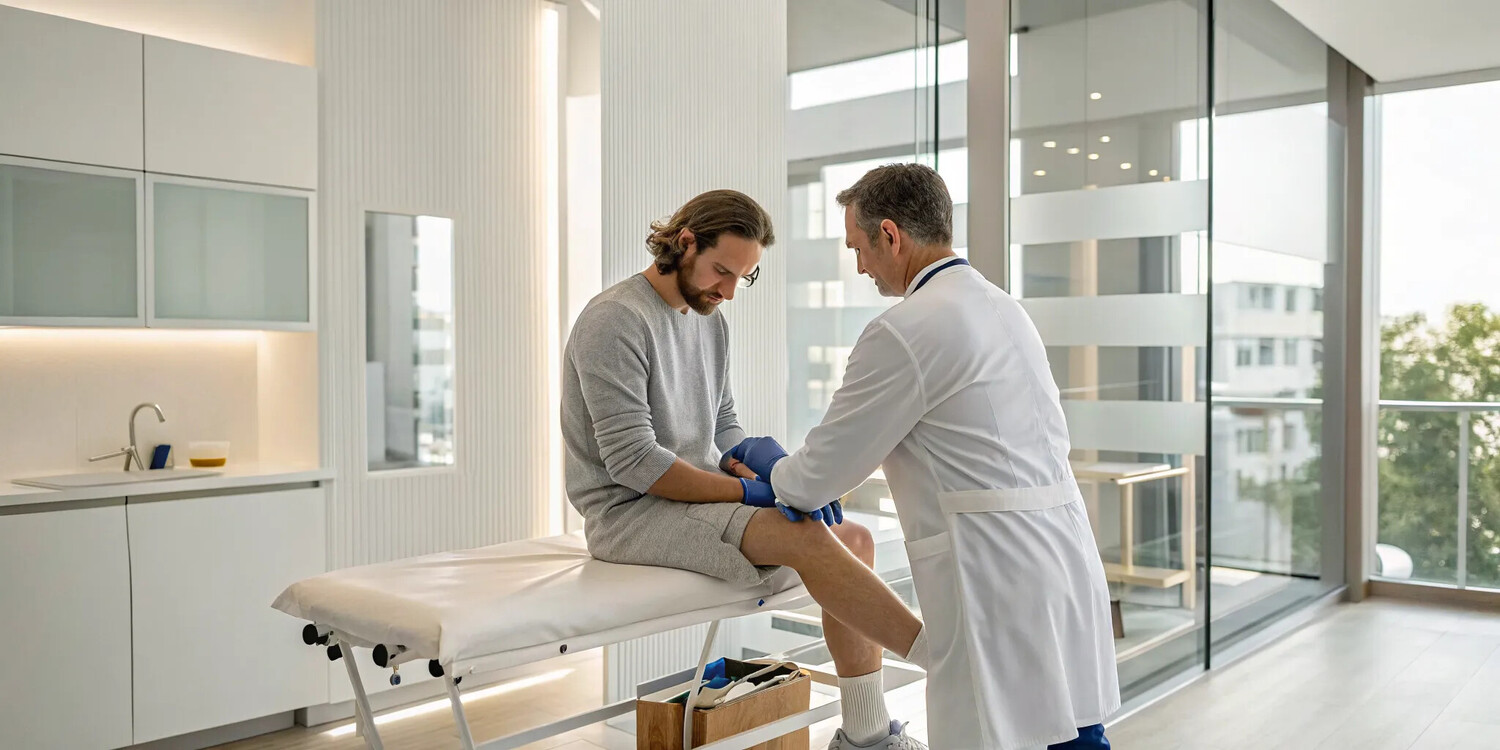
The term “Platelet-Rich Plasma” might sound complicated, but the idea behind it is beautifully simple. Think of it as a super-concentrated healing serum created from a small sample of your own blood or Biologics. Blood contains platelets packed with growth factors, which are your body’s first responders to injury. PRP therapy isolates these powerful cells and delivers them directly to your painful joint, encouraging your body to repair itself from the inside out. It’s a natural, minimally invasive approach to managing pain from osteoarthritis or old injuries. Let’s walk through what you can expect from PRP joint treatment Atlanta and how it supports long-term healing.
Key Takeaways
- PRP therapy is a natural healing process: It uses a concentrated dose of your own platelets, taken from a simple blood draw, to target joint pain and tissue damage, encouraging your body to repair itself or Biologics.
- Patience is part of the process: Because PRP supports your body's natural repair cycle, you won't see results instantly. Most people begin to notice a real difference in pain and mobility within four to six weeks.
- The right provider and plan are key: Successful treatment depends on an expert who uses ultrasound guidance for accuracy and develops a complete plan that often combines PRP with other therapies to ensure a strong and lasting recovery.
How Does PRP Joint Treatment Work?
If you're exploring non-surgical options for joint pain, you've likely come across PRP therapy. It sounds complex, but the concept is actually quite simple. PRP, or Platelet-Rich Plasma, uses your body's own healing abilities to repair damaged tissue and reduce pain. It’s a form of regenerative medicine that helps your body help itself, offering a path to recovery without invasive procedures. Let's walk through exactly what PRP is and how it works to get you moving comfortably again.
What Exactly Is Platelet-Rich Plasma?
Think of Platelet-Rich Plasma as a super-concentrated healing serum made from your own blood. Your blood contains platelets, which are tiny cells packed with growth factors that rush to an injury to start the repair process. PRP therapy simply isolates and concentrates these powerful platelets just like Biologics. We start by drawing a small amount of your blood, similar to a routine lab test. Then, we use a centrifuge to separate the platelets from the other blood components or we use Biologics. This makes it a safe, natural way to address joint pain and tissue damage.
How PRP Encourages Your Joints to Heal
Once we have the concentrated PRP, it’s carefully injected into your injured joint, tendon, or ligament. This is where the magic happens. The high concentration of platelets releases a flood of growth factors directly at the source of your pain. These growth factors act like a construction crew, signaling your body to rebuild damaged cartilage, repair torn tissues, and reduce inflammation. Instead of just masking the pain, PRP encourages your body’s natural healing cascade to kick into high gear. It’s a targeted approach that supports long-term repair and helps restore function to the joint, getting you back to the activities you love.
Clearing Up Common PRP Myths
There's a lot of information out there, so let's clear up a few common misconceptions about PRP. First, it’s not just for elite athletes. While it’s popular for treating sports injuries, PRP is an effective treatment for anyone dealing with joint pain from osteoarthritis or chronic tendon issues. Second, it isn't experimental. PRP has been used safely in various medical fields since the 1970s, and its effectiveness in orthopedics is supported by a growing body of evidence. Finally, while PRP is a powerful tool, it's not a one-size-fits-all miracle cure. A successful outcome depends on a proper diagnosis and a personalized treatment plan tailored to your specific condition and goals.
What Conditions Can PRP Therapy Address?
One of the best things about PRP therapy is its versatility. Because it uses your body’s own healing abilities, it can be applied to a wide range of joint, tendon, and ligament issues that cause pain and limit your movement. It’s a targeted treatment that gets to the root of the problem, helping your body repair damage from the inside out. Whether you’re dealing with a nagging old injury or the daily aches of a chronic condition, PRP offers a path toward lasting relief without surgery. Let’s look at some of the most common conditions we treat with PRP.
Osteoarthritis and Degenerative Joint Disease
Living with osteoarthritis means dealing with chronic pain and stiffness that can make everyday activities feel like a challenge. PRP therapy is an excellent option for managing moderate osteoarthritis in joints like the knee, hip, or shoulder. By injecting concentrated platelets directly into the affected joint, we can help reduce inflammation and encourage cartilage repair. Many patients find that PRP treatment for knee arthritis not only reduces their pain but also improves their overall function. This approach can be a game-changer, potentially delaying or even eliminating the need for joint replacement surgery and helping you maintain an active lifestyle.
Sports Injuries and Ligament Tears
If you’re an athlete or just love to stay active, an injury can be incredibly frustrating. Damage to tendons, muscles, or ligaments can take a long time to heal on its own. PRP injections are often recommended for these types of injuries because they can accelerate the healing process. By delivering a high concentration of growth factors right to the injury site, PRP supports tissue regeneration. Our approach to sports injury care often includes PRP to reduce pain, help injuries heal properly, and get you back to the activities you love with confidence.
Tendonitis and Chronic Joint Pain
Tendonitis and other forms of chronic joint pain are often slow to heal because tendons have a limited blood supply. Conditions like tennis elbow, Achilles tendonitis, or rotator cuff tendinopathy can linger for months or even years. PRP therapy offers a minimally invasive solution by using platelets from your own blood to help heal these damaged tendons. This treatment can significantly reduce pain and improve function, allowing you to manage your condition without relying on temporary fixes. It’s a powerful form of regenerative medicine that addresses the underlying cause of your discomfort, helping you find long-term relief.
Step 1: The Ultrasound-Guided Injection
Once your platelet-rich plasma is prepared, the next step is to deliver it precisely to the area that needs it most. To do this, we use advanced ultrasound imaging to guide the injection. This technology allows us to see inside the joint or tissue in real-time, ensuring the PRP is placed exactly where it can be most effective. Using diagnostic imaging for guidance is a key part of our process, as it removes any guesswork and helps achieve the best possible outcome for your recovery.
Step 2: Your Personalized Treatment Plan
For many conditions, a series of treatments yields the best results. Your personalized plan will likely involve a few injections spaced three to four weeks apart to give your body the consistent support it needs to heal itself. But our care doesn’t stop there. We believe in a comprehensive approach to wellness. We often combine regenerative medicine with other supportive therapies. Your plan might include chiropractic care or stretch therapy to improve function, strengthen the new tissue, and help prevent future injuries.
What Happens After Your PRP Treatment?
So, you’ve completed your PRP injection. What comes next? It’s helpful to remember that PRP therapy is designed to kickstart your body’s own healing mechanisms, which is a gradual process. Unlike a quick-fix medication that just masks symptoms, PRP works over time to repair tissue from the inside out. Your recovery journey is a key part of the treatment, and knowing what to expect will help you get the best possible results. The focus now shifts to giving your body the support it needs to heal effectively.
Your First Few Days: Post-Treatment Care
Right after your procedure, you can typically head home and get back to your usual light activities. However, it's important to take it easy for the first few days. We recommend avoiding strenuous exercise, heavy lifting, or any high-impact movements that could strain the treated joint. You might feel some soreness or discomfort at the injection site, which is a normal part of the inflammatory healing response. You can manage this with cold packs and over-the-counter pain relievers if needed. This initial rest period is crucial for letting the platelets get to work and begin the repair process without interruption.
When Will You See Results?
Patience is key when it comes to PRP therapy. Since the treatment relies on your body’s natural healing cycle, you won’t feel the full effects overnight. Most people start to notice improvements in pain and function within four to six weeks as the tissues begin to regenerate. Complete healing can take 4-6 months, with many patients returning to all their normal activities within three months. For more significant issues, like chronic sports injuries, a series of treatments may be recommended to achieve the best long-term outcome. We'll tailor the plan specifically to your body and your goals.
Long-Term Relief and Follow-Up Care
Our goal is to provide you with lasting relief, not just a temporary solution. We’ll schedule a follow-up appointment about six weeks after your injection to check on your progress, assess your healing, and make any necessary adjustments to your care plan. This might include recommendations for physical therapy or other supportive treatments. PRP is a powerful tool in the world of regenerative medicine, offering a natural and effective way to support your body’s ability to heal itself. By following your post-treatment plan, you are taking an active role in your long-term joint health and overall wellness.
How to Choose the Right PRP Provider in Atlanta
Finding the right partner for your health journey is just as important as choosing the right treatment. When it comes to PRP therapy, the provider’s expertise and approach can make all the difference in your results. Not all PRP treatments are created equal, so it’s worth doing a little homework to find a clinic that aligns with your goals. You want a team that is experienced, transparent, and dedicated to creating a plan tailored for you. Let's walk through what to look for and what to ask so you feel confident and cared for every step of the way.
What to Look for in a PRP Specialist
When you're searching for a PRP specialist, look for a provider with deep experience in regenerative medicine. A qualified expert will use advanced technology, like ultrasound guidance, to place the injection precisely where it’s needed most. It's also important to find a clinic that takes a holistic view of your health. The best specialists don't just focus on the injection; they consider your entire musculoskeletal system and lifestyle. They understand that true healing often involves more than a single treatment and will work with you to build a comprehensive care plan.
Essential Questions for Your Consultation
Your consultation is the perfect time to get clear on what to expect. Don't be shy about asking questions. Start with these: What is your experience treating my specific condition? What technology do you use for the injection? What is the total cost, and what does it include? A great provider will also discuss a well-rounded recovery plan. Ask if they recommend combining PRP with other treatments. Integrating services like chiropractic care or stretch therapy creates a complete plan that supports new tissue, improves function, and helps prevent the injury from happening again.
Our Approach to PRP Treatment in Atlanta
At Preferred Regen ATL, we see PRP as a way to work with your body’s natural healing abilities. Our PRP therapy harnesses the powerful growth factors, stem cells, and proteins already inside you, concentrating them into one potent injection to kickstart recovery. We believe in a structured and effective approach. For the best results, our treatment plan typically involves a series of three injections, administered three to four weeks apart. This method gives your body the consistent support it needs to heal itself properly. We’re here to create a personalized plan for your long-term strength and mobility.
Related Articles
- The Platelet Rich Plasma Procedure Explained | Preferred Regen ATL
- How Much Do PRP Injections Cost in Atlanta? | Preferred Regen ATL
- What is Platelet Rich Plasma? The Complete Guide | Preferred Regen ATL
- Best PRP Doctors in Atlanta: A Cost & Clinic Guide | Preferred Regen ATL
Frequently Asked Questions
Does the PRP injection hurt? Most people describe the injection as a brief moment of pressure or a dull ache rather than sharp pain. We use a local anesthetic to numb the area before the injection, which helps keep you comfortable throughout the procedure. You might experience some soreness at the injection site for a day or two afterward, but this is a normal sign that the healing process has begun.
How long does a typical PRP appointment last? From start to finish, you can expect your PRP appointment to take about an hour. This includes the initial blood draw, the time it takes to spin your blood in the centrifuge to prepare the plasma, and the ultrasound-guided injection itself. The process is efficient, so you can easily fit it into your day.
Are there any risks or side effects with PRP therapy? Because PRP uses your own blood, the risk of an allergic reaction or rejection is extremely low. The most common side effects are temporary soreness, swelling, or bruising at the injection site. These are normal inflammatory responses that show your body is starting to heal. We follow strict sterile procedures to minimize any risk of infection.
How is PRP different from a cortisone shot? While both are injections used for joint pain, they work very differently. A cortisone shot is a steroid that primarily reduces inflammation to provide temporary pain relief. PRP, on the other hand, is a regenerative treatment. It uses your body's own growth factors to help repair the underlying tissue damage, offering the potential for long-term healing and functional improvement instead of just masking the symptoms.
How many treatments will I need to see results? The number of treatments depends on your specific condition, its severity, and how your body responds. For many chronic issues, we recommend a series of three injections, spaced about three to four weeks apart. This approach provides consistent support for tissue regeneration. During your consultation, we will create a personalized plan that gives you the best chance for lasting relief.