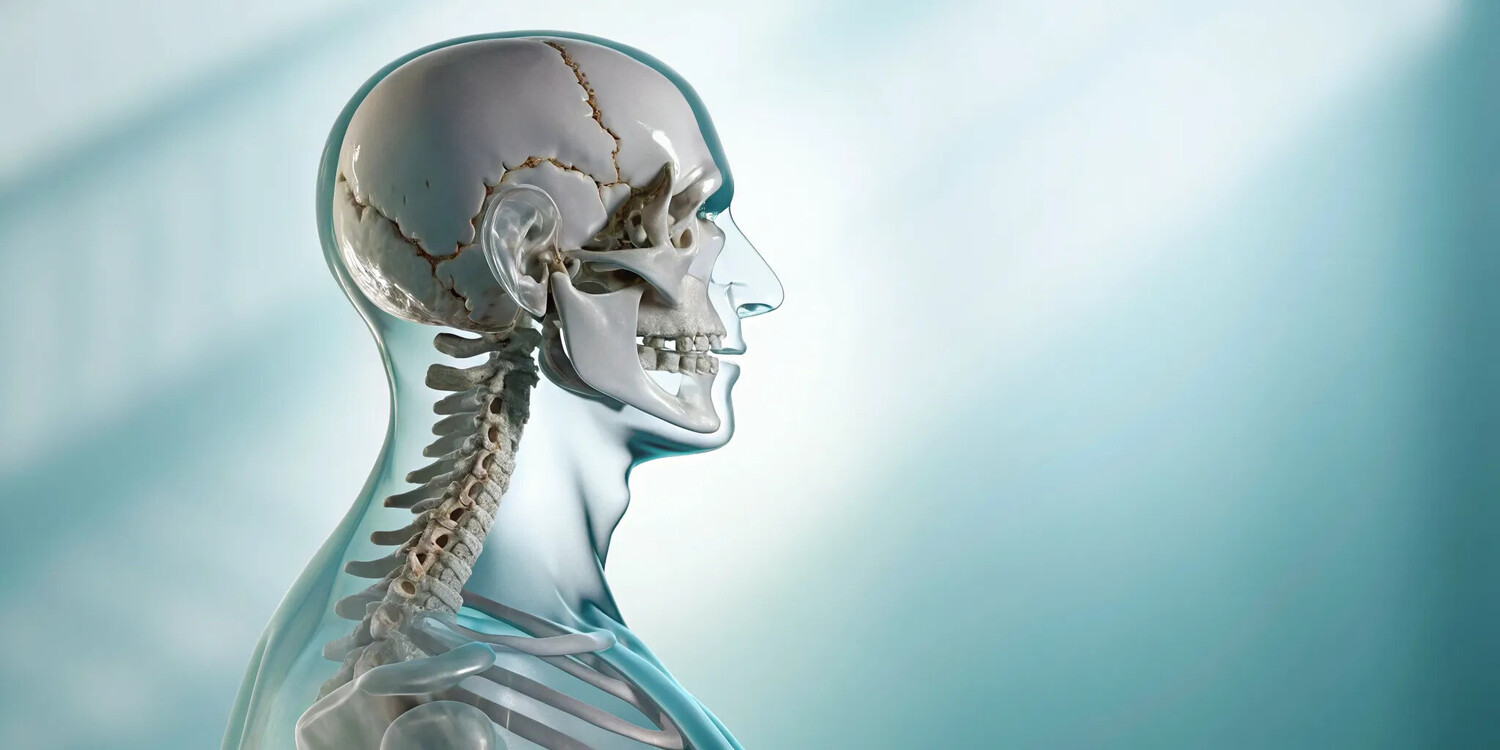
When you have a headache, your first instinct is to treat your head. But in many cases, that’s like fixing a flickering lightbulb when the real problem is faulty wiring in the wall. The pain you feel in your head is often just the final symptom of an issue that starts lower down, in your cervical spine. This concept of referred pain is central to understanding chronic headaches. This article is all about exploring “The Connection Between Spinal Health and Headaches,” showing you how misalignments and muscle tension in your neck can directly trigger head pain and what you can do about it.
Key Takeaways
- Headaches Often Start in the Neck: Many recurring headaches are a form of referred pain, meaning the discomfort you feel in your head is actually caused by a structural issue like a misaligned vertebra or muscle tension in your cervical spine.
- An Accurate Diagnosis Is Key: Finding the true source of your pain is the first step to effective relief. A professional evaluation, including a physical exam and diagnostic imaging like digital X-rays, can confirm if a neck problem is the cause of your headaches.
- Lasting Relief Requires a Combined Approach: The most effective strategy pairs professional care with personal habits. Treatments like chiropractic adjustments correct spinal issues, while simple lifestyle changes like improving posture and moving more help maintain your results and prevent future pain.
Is Your Neck Causing Your Headaches?
If you feel like you’ve tried everything to manage recurring headaches, you’re not alone. It’s a frustrating cycle of looking for triggers and trying different remedies, often with little to no relief. But what if the source of your pain isn’t what you think? For many people, chronic headaches don’t start in the head at all. Instead, they begin in the neck.
The connection between your spinal health and headaches is significant, yet it’s often overlooked. Issues like poor posture, a past injury, or daily stress can create problems in your cervical spine (the vertebrae in your neck). When your neck is out of alignment, it can trigger a chain reaction that leads directly to head pain, from dull tension headaches to debilitating migraines. Understanding this link is the first step toward finding a solution that finally works.
How Your Neck and Head Are Connected
Think of your neck as the critical bridge between your head and the rest of your body. This complex structure of bones, joints, nerves, and muscles has a big job: supporting your head’s weight (about 10 to 12 pounds) while allowing for a wide range of motion. Because this area is so intricate, it’s also sensitive to problems. The nerves that branch out from your upper spine are closely connected to the nerves in your head and face.
When the vertebrae in your neck are misaligned or the surrounding muscles are tight, they can irritate these shared nerves. Your brain interprets the resulting pain signals as a headache, even though the problem is in your neck. This is a classic example of referred pain. Restoring proper alignment through treatments like non-surgical spinal decompression can often relieve the pressure that causes this pain referral.
How Your Cervical Spine Triggers Pain
When your spine is in its natural position, your nervous system can function without interference. But when vertebrae in your neck shift out of place, they can put direct pressure on the sensitive nerves exiting your spinal column. This irritation is a primary driver of what’s known as a cervicogenic headache, a headache that originates from the neck.
This misalignment doesn’t just affect nerves; it also creates muscle tension. Your neck muscles may tighten and spasm in an attempt to stabilize the area, leading to stiffness and pain that radiates up into the base of your skull and temples. In some cases, misaligned vertebrae can even restrict blood flow to the head, contributing to migraines. An accurate diagnosis using tools like digital x-rays can reveal underlying alignment issues that may be the true source of your head pain.
Headaches That Start in Your Neck
It might surprise you to learn that the source of your recurring headache isn't always in your head. Many types of headaches actually begin with problems in your neck, or cervical spine. When the bones, muscles, and nerves in your neck are stressed or misaligned, they can send pain signals straight to your head. Understanding which type of headache you have is the first step toward finding effective, lasting relief. Let's look at three common headaches that have roots in your neck.
Cervicogenic Headaches
A cervicogenic headache is a specific type of pain that originates from an issue in your upper neck, usually involving the top three vertebrae. The pain is typically a steady, non-throbbing ache that starts in the neck and radiates to one side of your head. You might notice that certain neck movements or holding your head in one position for too long can trigger it. While less common than tension headaches, this condition can be just as disruptive. The pain referral happens because of how nerves in the neck and head are connected, turning a neck problem into a head problem.
Tension Headaches
Tension headaches are the most common type of headache, often described as a tight band squeezing your head. While stress is a well-known trigger, spinal alignment plays a huge role. When your spine is out of its natural position, it creates tension and irritation in the surrounding muscles and nerves. Even slight misalignments in your neck can lead to chronic tension headaches. Addressing the underlying structural issue through treatments like non-surgical spinal decompression can help relieve the constant strain on your neck muscles, reducing the frequency and intensity of these frustrating headaches.
Migraines
While migraines are complex neurological events, there is a strong connection between spinal health and their frequency. If your spine, particularly in your neck, is not aligned correctly, it can irritate sensitive nerves and create muscular tension that acts as a trigger for migraines. For many people, improving their spinal alignment helps reduce nerve irritation and muscle tightness. By addressing these physical triggers, you may find that your migraines become less severe and happen less often. This approach focuses on restoring balance to your body to create a more stable foundation for your overall health and wellness.
How a Misaligned Spine Causes Headaches
It might sound surprising, but that persistent, throbbing pain in your head could actually be starting in your neck. Your cervical spine, which is the section of your spine in your neck, is a complex structure of bones, nerves, muscles, and discs. When these components aren't aligned and moving correctly, the result can be a variety of headaches. Think of it like a chain reaction: a small issue in your neck can create a ripple effect that you feel as head pain. Understanding how this happens is the first step toward finding effective, lasting relief.
C1 and C2: The Common Culprits
The top two vertebrae in your neck, the atlas (C1) and axis (C2), have the critical job of supporting your skull and allowing for most of your head's rotation. Because they are so mobile, they are also particularly susceptible to misalignment from injuries, poor posture, or even just daily wear and tear. When C1 or C2 shift out of place, they can irritate the sensitive nerves and tissues at the base of your skull. This irritation is a primary cause of what’s known as a cervicogenic headache, which is a headache that originates from a problem in the neck. The pain often feels like a dull ache that can spread to the front of your head or behind your eyes.
Referred Pain from C3–C7
While the top two vertebrae are common culprits, issues lower down in your neck (from C3 to C7) can also be the source of your head pain. This happens through a process called referred pain, where your brain misinterprets pain signals from your neck as coming from your head. When vertebrae in your lower neck are misaligned, they can create nerve irritation and muscle strain that travels up the spinal column. You might not feel any significant pain in your neck itself, but the nerves send distress signals that your brain processes as a headache. This is why a thorough evaluation of the entire cervical spine is essential to pinpoint the true source of your discomfort.
Irritated Nerves and Inflammation
Your spine is the main highway for your nervous system, with nerves branching out between each vertebra to communicate with the rest of your body. When spinal bones are out of alignment, they can put direct pressure on these delicate nerves. This compression, or "pinching," can trigger pain signals that travel directly to your head. The irritation also often leads to inflammation in the surrounding tissues, which can make the pain even worse and more persistent. This combination of nerve pressure and inflammation is a common underlying factor in both tension headaches and some types of migraines, highlighting the need for care that addresses the root spinal issue.
Muscle Tension and Poor Blood Flow
When your spine is out of its natural position, your muscles have to work overtime to compensate and keep your head upright. This leads to chronic tension in the muscles of your neck, shoulders, and upper back. These tight muscles can pull on the base of your skull and restrict blood flow to your head, both of which are classic triggers for tension headaches. Over time, this constant strain can create painful knots, or trigger points, that further contribute to the headache cycle. Addressing the underlying spinal alignment is key to helping these muscles relax, which is why therapies like stretch therapy can provide significant relief when combined with chiropractic adjustments.
How to Know if Your Neck Is the Problem
If you’re constantly dealing with headaches, it’s easy to assume the problem starts and ends in your head. But what if the real source of your pain is actually your neck? Many people are surprised to learn that issues in the cervical spine are a common cause of chronic headaches. Understanding the signs can help you figure out if your neck is the culprit and finally find a path to lasting relief.
Cervicogenic vs. Other Headaches
Not all headaches are created equal. A cervicogenic headache is a specific type of headache that originates from a problem in your upper neck, usually involving the top three vertebrae. Because the nerves in your neck and head are closely connected, pain signals from your neck can be misinterpreted by your brain as a headache. Unlike a migraine, which is a neurological condition, a cervicogenic headache is a referred pain. This means that while you feel the pain in your head, the actual issue is located elsewhere. Distinguishing between them is the first step toward getting the right chiropractic care.
Symptoms of a Neck-Related Headache
So, how can you tell if your headache is coming from your neck? Pay attention to the specific qualities of your pain. A cervicogenic headache often presents as a steady, non-throbbing ache that starts in the neck and radiates to one side of your head. You might notice that certain neck movements or holding your head in an awkward position triggers the pain. Does pressing on the base of your skull or the upper part of your neck make the headache worse? That’s another big clue. Research shows a significant overlap between neck pain and headaches, so if you experience both, there’s a good chance they’re connected.
Is Poor Neck Mobility a Factor?
Limited neck mobility is a critical sign that your spine could be contributing to your headaches. If you feel stiff or find it difficult to turn your head from side to side, it may point to an underlying issue. When your spine is misaligned, it can irritate the surrounding nerves and create muscle tension that leads to pain. A thorough evaluation can identify dysfunction in your upper neck joints and weakness in the deep neck muscles that support your head. An accurate diagnosis, often aided by tools like digital x-rays, is key to confirming if a structural problem in your neck is the source of your headaches.
What to Expect from a Spinal Evaluation
If you suspect your neck is the source of your headaches, the first step toward relief is a comprehensive spinal evaluation. This isn't just a quick check-up; it's a detailed investigation to understand the root cause of your pain. Your visit will start with a conversation about your health history, the frequency and intensity of your headaches, and any specific triggers you’ve noticed. We want to hear the full story of what you're experiencing.
Next, we’ll perform a physical exam to assess your neck's range of motion, identify tender spots, and check for muscle tension. We’ll also evaluate your posture and spinal alignment. This hands-on approach helps us connect your symptoms to the physical structures of your cervical spine. Regular visits can help us find and fix misalignments in your spine, which can offer natural relief from headaches without you needing medicine or surgery. The goal is to pinpoint the exact issue so we can create a personalized treatment plan that addresses the cause, not just the symptoms. This may involve further diagnostic steps, like imaging, to get a complete picture of your spinal health.
What Digital X-Rays Can Show
While a physical exam tells us a lot, sometimes we need to see what’s happening beneath the surface. That’s where our on-site digital X-rays come in. This quick and painless imaging allows us to get a clear view of the bones and joints in your cervical spine. We can see the precise alignment of your vertebrae, measure spinal curvature, and identify issues like disc degeneration or arthritis that aren't visible from the outside.
Spinal misalignments can irritate nerves and cause the tension that leads to headaches and migraines. An X-ray provides objective evidence of these structural problems, showing us exactly where the stress is occurring. This information is invaluable for creating a targeted and effective treatment plan.
The Importance of an Accurate Diagnosis
Getting the right diagnosis is the most critical step in finding lasting headache relief. Because different types of headaches require different treatments, a one-size-fits-all approach simply doesn’t work. A tension headache caused by muscle strain needs a different strategy than a cervicogenic headache stemming from a specific joint issue in your neck. An accurate diagnosis ensures your treatment plan is tailored to your unique condition.
By combining your health history, a physical exam, and detailed imaging, we can distinguish between various headache types and identify the underlying cause. This clarity allows us to recommend the most effective therapies, whether it's targeted spinal adjustments, soft tissue work, or non-surgical spinal decompression. It’s the foundation for a plan that brings you real, sustainable relief.
How Chiropractic Care Provides Headache Relief
If your headaches are stemming from issues in your neck, chiropractic care offers a direct and effective path to relief. Instead of just masking the pain, a chiropractor focuses on correcting the underlying structural problems that are causing it in the first place. This approach involves a combination of targeted treatments designed to restore proper function to your spine, release muscle tension, and give you the tools to prevent headaches from coming back. It’s a comprehensive strategy that addresses your body as an interconnected system to provide lasting results.
Spinal Adjustments
At the core of chiropractic care are spinal adjustments. These are precise, gentle movements your chiropractor uses to correct misalignments in your spine, particularly in your neck. When the vertebrae in your cervical spine are out of place, they can irritate surrounding nerves and cause the muscles in your neck and head to tighten, triggering a headache.
Chiropractic care aims to fix these spinal misalignments. By doing so, it helps reduce nerve irritation and muscle tension, which can lessen the frequency and intensity of your headaches. These adjustments restore proper motion to the joints, allowing your nervous system to function without interference. An accurate diagnosis, often aided by tools like digital x-rays, ensures these adjustments are tailored specifically to your body’s needs.
Soft Tissue Therapy
Headache relief isn’t just about your bones; the muscles and connective tissues that support your neck are just as important. When your spine is out of its natural position, it can create chronic tension and painful trigger points in your muscles, which often leads to headaches. That’s why a comprehensive treatment plan includes soft tissue therapy.
Techniques like therapeutic massage, cupping, or targeted stretch therapy work to release tightness in the muscles of your neck, shoulders, and upper back. This process relieves strain, improves circulation, and reduces inflammation. By addressing the muscular component of your pain, soft tissue therapy complements spinal adjustments, helping your body hold its alignment better and providing more complete and lasting relief.
Exercises to Support Your Neck
A key part of your chiropractic plan is learning how to support your spine outside of the clinic. Your chiropractor will guide you through specific exercises and stretches designed to strengthen the muscles that support your neck and improve your posture. Think of it as building a natural brace for your spine to keep it stable and aligned.
These exercises are simple, effective, and can easily be incorporated into your daily routine. The goal is to counteract the effects of daily stressors like sitting at a desk or looking down at your phone. By building strength and flexibility, you can reduce chronic muscle tension and prevent the misalignments that lead to headaches. This proactive approach empowers you to maintain your progress and take control of your spinal health.
The Role of Non-Surgical Spinal Decompression
For some types of neck-related headaches, your chiropractor may recommend non-surgical spinal decompression. This advanced therapy uses a specialized table to apply gentle, precise traction to your cervical spine. The process carefully separates the vertebrae, creating negative pressure within your spinal discs.
This decompression relieves pressure on pinched nerves and bulging or herniated discs, which are common culprits behind cervicogenic headaches. It also helps draw water, oxygen, and nutrients into the discs, promoting healing. A well-aligned and properly hydrated spine helps your nerves and blood flow work correctly, which can significantly reduce how often and how badly your headaches occur. It’s a safe, comfortable, and powerful tool for addressing the root cause of persistent neck pain and headaches.
Lifestyle Tips for a Healthier Spine and Fewer Headaches
While professional treatments like chiropractic adjustments are incredibly effective for headache relief, the small choices you make every day play a huge role in your long-term spinal health. Think of it this way: your chiropractic care corrects alignment issues, and your daily habits help maintain that correction. By making a few simple changes to your routine, you can support your spine, reduce muscle tension, and prevent many headaches from starting in the first place.
Focusing on your posture, workspace setup, and daily movement can make a significant difference. These aren't drastic overhauls, just mindful adjustments that help your body function the way it's supposed to. When you combine these habits with a consistent wellness routine, you create a strong foundation for a healthy, pain-free life. These practices are especially important if you're recovering from an injury or managing a chronic condition, as they support the healing process and help prevent future issues. Good habits are a key part of any effective sports injury care plan.
Improve Your Posture
It’s easy to forget about posture when you’re focused on a task, but slouching puts a lot of strain on your neck and upper back. This constant tension can easily lead to headaches. The goal is to keep your spine in a neutral, relaxed position. When sitting, try to keep your feet flat on the floor, your back against your chair, and your shoulders relaxed and down. Imagine a string gently pulling the top of your head toward the ceiling to align your ears over your shoulders. Taking a moment to reset your posture throughout the day can prevent hours of pain later. This simple awareness is a powerful tool for maintaining the benefits of treatments like non-surgical spinal decompression.
Create an Ergonomic Workspace
If you spend hours at a desk, your workspace setup is critical. An ergonomic environment is designed to fit you, reducing physical stress on your body. Start by adjusting your monitor so the top of the screen is at or just below eye level. This prevents you from craning your neck up or hunching down. Your chair should support the natural curve of your lower back, and your keyboard should be positioned so your wrists are straight and your elbows are bent at a comfortable 90-degree angle. These small adjustments minimize the daily strain that contributes to spinal misalignments and headaches. Investing in an ergonomic setup is an investment in your overall health and well-being.
Incorporate Movement and Stretching
Your spine is designed to move, and a sedentary lifestyle can lead to stiffness and pain. Integrating more movement into your day is essential for keeping your spinal joints and muscles healthy. You don’t need an intense workout, just consistent activity. Take short breaks to walk around your office or home, and perform gentle neck stretches by slowly tilting your head from side to side. Low-impact exercises like swimming and walking are also fantastic for improving spinal function without adding stress. For more targeted flexibility, professional stretch therapy can release deep muscle tension and improve your range of motion, making daily movement feel easier and more natural.
Prioritize Hydration, Sleep, and Stress Management
Your overall wellness has a direct impact on your spinal health and headache frequency. Staying hydrated is crucial, as the discs between your vertebrae are mostly water and need it to stay plump and cushiony. Aim for quality sleep each night, since this is when your body does most of its healing and muscle repair. Finally, find healthy ways to manage stress. Chronic stress causes you to tense your muscles, especially in your neck and shoulders. Practices like deep breathing, meditation, or yoga can calm your nervous system and release that tension. These foundational habits support all other healing efforts, including advanced treatments in regenerative medicine.
Find Long-Term Headache Relief
Finding a real, lasting solution to chronic headaches can feel like a frustrating cycle of trial and error. While quick fixes might offer temporary comfort, they rarely address the underlying issue. The key to breaking this cycle is shifting your focus from simply managing pain to building a foundation for long-term spinal health. This approach isn't about a single magic bullet; it's about creating a comprehensive strategy that combines targeted treatments with sustainable, healthy habits. Lasting relief comes from addressing the root cause of your headaches and giving your body the support it needs to prevent them from returning.
At Preferred Regen ATL, we look at the whole picture. We understand that your headaches are unique to you, influenced by everything from your spinal alignment to your daily posture and stress levels. That’s why we believe in a team approach, where different therapies work in harmony to restore your body's natural balance. By integrating precise chiropractic care with supportive wellness services, we can create a personalized plan that not only alleviates your current pain but also empowers you with the tools and routines to maintain a healthier, headache-free life. It’s about moving beyond temporary relief and toward genuine, sustainable well-being.
Combine Chiropractic and Wellness Therapies
Chiropractic care is often the cornerstone of effective headache treatment because it directly addresses spinal misalignments. By performing precise adjustments, we can correct the position of your vertebrae, which helps reduce nerve irritation and release the chronic muscle tension that so often triggers headaches. This provides a natural path to relief that can lessen your reliance on pain medication.
To enhance these results, we often pair chiropractic adjustments with other wellness therapies. For example, targeted stretch therapy can help release stubborn muscle knots in your neck and shoulders, further easing the tension that contributes to your pain. Combining these treatments allows us to tackle the problem from multiple angles, providing more comprehensive and effective relief that helps your body heal and maintain its proper function.
Create a Sustainable Spinal Health Routine
While individual treatments provide significant relief, consistency is what creates lasting change. Think of your spinal health like any other fitness goal; it requires a regular routine to maintain your progress. Occasional adjustments can help when you’re in pain, but a sustainable care plan is designed to prevent that pain from coming back in the first place. Regular visits allow us to monitor your alignment and make small corrections before they turn into major problems.
We work with you to create a practical and sustainable routine that fits your life. This plan includes both in-clinic care, such as periodic adjustments or non-surgical spinal decompression, and simple habits you can practice at home. By making consistent spinal care a part of your wellness journey, you take an active role in managing your health and significantly reducing the frequency and intensity of future headaches.
Related Articles
- The Guide to Chiropractic Pain Relief in Atlanta | Preferred Regen ATL
- 7 Surprising Benefits of Routine Chiropractic Visits | Preferred Regen ATL
Frequently Asked Questions
My neck doesn't always hurt, so how can it be the cause of my headaches? This is a great question, and it highlights a concept called referred pain. Think of it like a faulty electrical wire; the problem might be in the wall, but the light flickers across the room. Similarly, the nerves in your upper neck are closely connected to the nerves in your head. When a joint in your neck is misaligned or irritated, it can send pain signals along these shared pathways, and your brain interprets that signal as a headache, even if you don't feel any discomfort directly in your neck.
What makes a cervicogenic headache different from a migraine or tension headache? While they can feel similar, their origins are different. A cervicogenic headache is caused directly by a structural issue in your neck, often feeling like a one-sided ache that gets worse with certain neck movements. A tension headache typically feels like a tight band around your head and is often linked to muscle strain, which can also be caused by spinal issues. Migraines are complex neurological events, but problems in the neck can act as a major trigger, increasing their frequency and severity for many people.
I've tried stretching my neck at home, but it doesn't help. Why would chiropractic care be different? Stretching is a fantastic habit for maintaining flexibility, but it mainly addresses tight muscles. If the root cause of your headache is a misaligned vertebra putting pressure on a nerve, stretching the muscles around it might provide temporary relief, but the muscle will likely tighten up again to protect the joint. Chiropractic adjustments focus on correcting that underlying structural issue, which allows the muscles to finally relax and provides a more lasting solution.
What does a spinal adjustment for headaches actually feel like? Most people are surprised by how gentle a spinal adjustment is. It involves a quick, precise, and controlled movement to a specific joint in your neck. You might hear a small pop, which is just gas being released from the joint, similar to cracking your knuckles. Many people describe the feeling as a sense of release or immediate relief from pressure. Your comfort is the top priority, and the technique is always tailored to your specific needs.
How long will it take to see results from treatment for my headaches? Everyone's body responds differently, so there isn't a single timeline. Some people feel a noticeable improvement after their very first visit, while for others with more long-standing issues, it may take a series of treatments to achieve lasting relief. The goal is to correct the underlying problem, not just mask the symptoms. We will work with you to create a personalized plan and will be able to give you a better idea of what to expect after your initial evaluation.