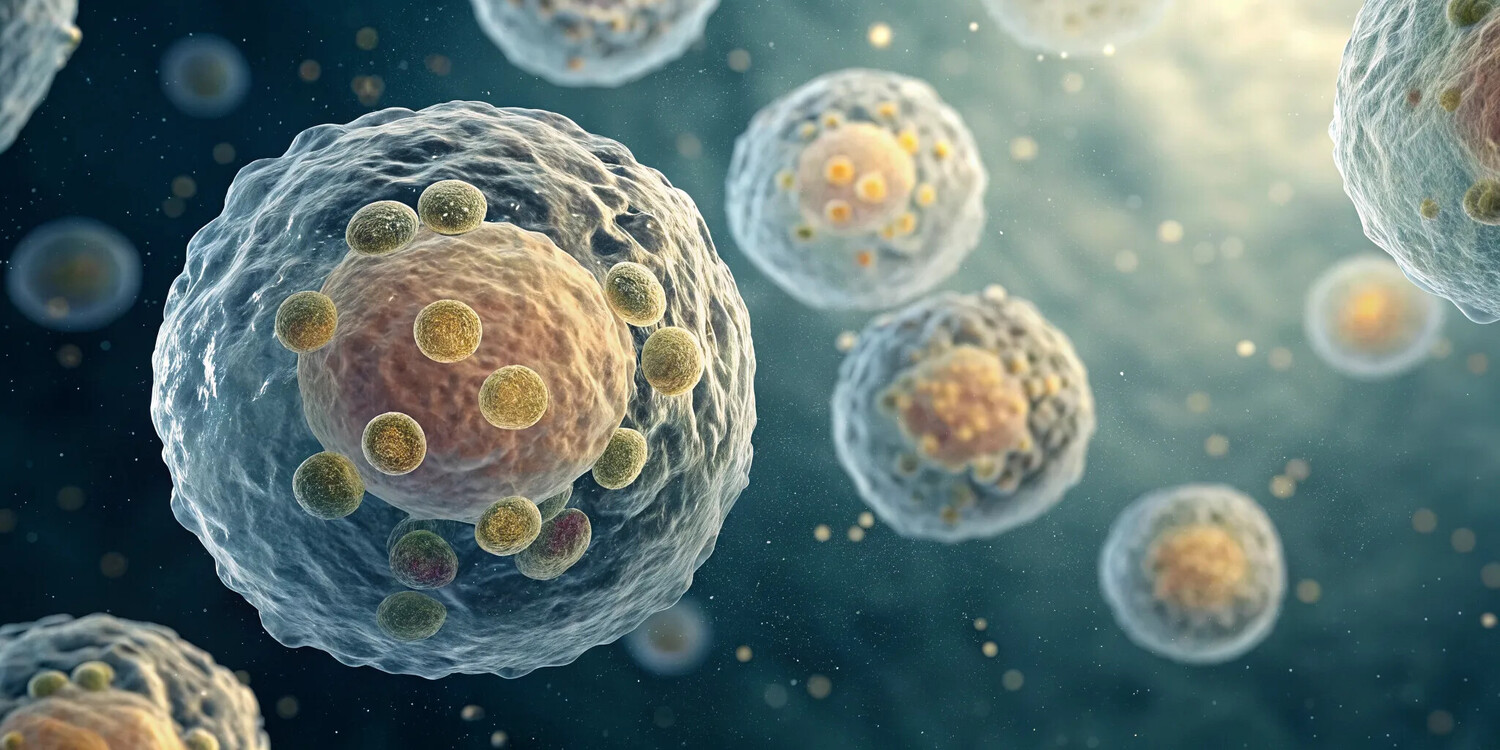
Think of your immune system as a highly trained security team. In an autoimmune condition, this team gets faulty intelligence and starts treating your own healthy cells as hostile invaders, resulting in chronic inflammation and damage. How do you de-escalate the situation without shutting down the entire security force? You send in skilled negotiators. This is essentially how exosomes help people with autoimmune disease. These microscopic messengers deliver precise instructions to your overactive immune cells, calming the attack, reducing inflammation, and creating the conditions for peace and repair. This guide explains how this cell-free therapy works to restore internal harmony.
Key Takeaways
- Understand the messengers: Exosome therapy uses your body's natural cellular communicators to deliver calming signals. This helps reduce the chronic inflammation that drives autoimmune disease and encourages your immune system to find a healthier balance.
- Choose a cell-free approach: Unlike stem cell therapy, this treatment uses the powerful instructions from cells, not the cells themselves. This method supports your body's own repair systems and comes with a strong safety profile, reducing the risk of negative reactions.
- Aim for long-term management: This therapy is a tool for managing your condition, not a cure. The goal is to address the root causes of inflammation and support tissue repair, leading to fewer symptoms and an improved quality of life.
What Are Exosomes?
When we talk about healing, we often think about large-scale solutions. But what if some of the most powerful tools for regeneration are microscopic? That's where exosomes come in. These tiny powerhouses are at the forefront of regenerative medicine, offering a sophisticated way to support the body's natural healing processes. Understanding what they are and how they work is the first step in seeing how they can help manage complex conditions like autoimmune disease.
Your Body's Natural Messengers
Imagine your body is a bustling city. How do different neighborhoods communicate? They send messengers. In your body, exosomes are those messengers. They are tiny, bubble-like sacs released by nearly every cell, and their job is to carry important cargo—like proteins and genetic material—from one cell to another. This constant communication is essential for keeping everything running smoothly, from coordinating immune responses to directing tissue repair. It’s a fundamental process that your body relies on every single second to maintain balance and health.
How They Deliver Therapeutic Support
So, how can we use these natural messengers to our advantage? In exosome therapy, we introduce a concentrated and purified supply of exosomes into your system, typically through a simple IV. Think of it as sending in a team of expert communicators with specific instructions. These exosomes travel through your body and deliver signals to your cells, encouraging them to reduce inflammation and calm overactive immune responses. Because they are natural communicators, they are incredibly efficient and well-received by the body, making them a promising tool for guiding cells toward healthier function and promoting tissue regeneration.
How Inflammation Drives Autoimmune Disease
At the heart of every autoimmune condition is a fundamental misunderstanding within the body. Your immune system, designed to be your fiercest protector, gets its signals crossed and begins to see your own healthy cells as foreign invaders. The primary weapon it uses in this misguided attack is inflammation. While short-term inflammation is a normal, healthy response to injury, chronic inflammation is a different story. It creates a constant state of emergency in your body, leading to the symptoms and tissue damage characteristic of autoimmune diseases. Understanding this process is the first step toward exploring modern regenerative medicine approaches that aim to restore balance.
When Your Immune System Misfires
Think of your immune system as a highly trained security team. Its job is to identify and neutralize threats like bacteria and viruses. In an autoimmune disease, this team starts to misidentify your own tissues and organs as the enemy. This case of mistaken identity triggers a full-scale attack, leading to persistent inflammation and damage in the affected areas, whether it's your joints, skin, or internal organs. This friendly fire is what defines systemic autoimmune diseases. Instead of protecting you, your body’s defense mechanisms begin to break things down, creating a cycle of inflammation that can be difficult to stop without intervention.
The Toll of Chronic Inflammation on the Body
When inflammation becomes a long-term resident instead of a temporary visitor, it takes a serious toll. This constant state of alert wears down your body’s tissues, leading to pain, fatigue, and loss of function. Chronic inflammation is the hallmark of autoimmune disorders, as the immune system’s overactivity leads directly to tissue damage. On a cellular level, tiny messengers are constantly sending signals that either fuel this inflammation or help calm it down. In autoimmune conditions, the pro-inflammatory signals often win out, perpetuating the cycle of damage and preventing your body from having a chance to heal and repair itself properly.
How Do Exosomes Influence Your Immune System?
When your immune system is in overdrive, it needs a guide, not just a stop sign. Suppressing the entire system can leave you vulnerable, which is why a more nuanced approach is so beneficial. Exosomes act as intelligent communicators, carrying instructions that help modulate your immune response instead of shutting it down completely. Think of them as skilled diplomats negotiating peace within your body.
They work by delivering targeted messages to your immune cells, encouraging them to shift from a state of attack to one of balance and repair. This process helps calm the chronic inflammation that drives autoimmune symptoms without compromising your body's ability to fight off actual threats. By influencing the cellular environment, exosomes create the right conditions for your body to begin its natural healing processes. This targeted support is a key reason why regenerative medicine is exploring exosome therapy as a promising option for managing complex autoimmune conditions and restoring internal harmony.
Calm Pro-Inflammatory Signals
In an autoimmune condition, your immune system sends out constant, loud alarm signals in the form of pro-inflammatory proteins. This creates a cycle of chronic inflammation that damages healthy tissue. Exosomes can help turn down the volume on these alarms. They carry specific molecules that interrupt the inflammatory pathways, essentially telling the overactive immune cells to stand down. Studies show that exosomes are effective at modulating immune responses and calming the excessive inflammation that is a hallmark of autoimmune disorders. By quieting this cellular noise, exosomes help create a more peaceful environment where your body can recover.
Re-educate Immune Cells for Better Balance
Beyond just calming inflammation, exosomes can actively re-educate your immune cells. Certain immune cells can get stuck in a destructive, pro-inflammatory mode. Exosomes deliver instructions that can help switch these cells to a more helpful, anti-inflammatory state that promotes healing and balance. This "cell-free" therapy essentially retrains your immune system to be more discerning, helping it differentiate between real threats and your own healthy tissues. This re-education process is fundamental to restoring a balanced immune function and can help reduce inflammation and tissue damage associated with systemic autoimmune diseases.
Promote Natural Tissue Repair
Once inflammation is under control and immune cells are rebalanced, your body has a much better chance to heal. Exosomes play a direct role in this by promoting your body's natural ability to repair damaged tissues. They deliver growth factors and genetic material that encourage cell regeneration and tissue restoration. This approach doesn't just mask symptoms; it aims to address the underlying damage caused by the autoimmune response. By supporting your body’s innate repair mechanisms, exosome therapy helps you recover more effectively and build a stronger foundation for long-term wellness.
Which Autoimmune Conditions Can Exosome Therapy Help?
Because exosome therapy works at a cellular level to calm inflammation and guide tissue repair, it holds potential for a wide range of autoimmune conditions. When your immune system is in a constant state of high alert, it can cause system-wide problems. Exosomes introduce a calming influence, delivering messages that help rebalance your body’s internal communication and dial down the inflammatory response that drives so many autoimmune symptoms. This isn't about suppressing the immune system entirely, but rather about helping it function more intelligently and less destructively. Think of it as providing your cells with a new, more peaceful set of instructions.
While research is ongoing, early studies are promising. Scientists are exploring how exosomes can be used to address the root causes of autoimmune dysfunction, rather than just managing symptoms. This approach aims to support your body’s own healing mechanisms. Below are a few of the specific conditions where exosome therapy is showing significant potential as a supportive treatment. Keep in mind that this is an emerging field, and exosome therapy is often used alongside other treatments as part of a comprehensive wellness plan designed to give you the best possible outcome. The goal is to create an internal environment where your body can begin to heal itself, reducing the reliance on medications that may come with unwanted side effects.
Rheumatoid Arthritis (RA)
For those living with Rheumatoid Arthritis, chronic inflammation leads to painful, swollen joints and can cause long-term tissue damage. Exosome therapy offers a targeted approach to this problem. The exosomes deliver specific instructions to the overactive immune cells in your joints, helping to reduce the inflammatory signals that cause pain and swelling. Research into the therapeutic application of exosomes shows they can help modulate these immune responses and encourage the natural healing of damaged joint tissue. This can lead to less pain, improved mobility, and a better quality of life.
Multiple Sclerosis (MS)
In Multiple Sclerosis, the immune system mistakenly attacks the protective sheath around your nerves, disrupting communication between your brain and the rest of your body. This leads to inflammation and nerve damage. Exosome therapy is being studied for its potential to intervene in this process. Studies suggest that exosomes can help switch the brain's immune cells from an "attack" mode to a "healing" mode. This shift helps reduce the inflammation that damages nerves and may support the body's ability to repair some of the harm, potentially improving neurological outcomes for those with MS.
Systemic Lupus Erythematosus (SLE)
Lupus is a complex condition where the immune system can attack any part of the body, from the skin and joints to vital organs like the kidneys. When the kidneys are affected, it's a serious complication known as Lupus Nephritis. Research on exosomes in systemic autoimmune diseases has shown that exosomes can help restore balance to immune cell populations. By reducing inflammation and delivering protective signals, they may help shield kidney cells from damage, offering a supportive strategy for managing the widespread effects of SLE.
Other Inflammatory Conditions
The potential of exosome therapy isn't limited to just a few conditions. Because chronic inflammation is a key factor in nearly all autoimmune disorders, the emerging roles of exosomes are a major focus of scientific research. From inflammatory bowel disease to psoriasis, scientists are investigating how these cellular messengers can be used to calm the immune system and reduce tissue damage across the board. This broad applicability makes exosome therapy one of the most exciting frontiers in regenerative medicine for managing complex, system-wide conditions.
What Are the Benefits of Exosome Therapy?
Exosome therapy is gaining attention for good reason. It offers a sophisticated way to support the body's healing processes without the complexities of some other treatments. By working with your body's own communication systems, this approach provides a unique set of advantages for managing inflammation and promoting tissue repair. The benefits come down to how exosomes work, their safety, and our ability to create a treatment plan that’s just for you. Let's look at what makes this therapy a compelling option for those seeking relief from autoimmune and inflammatory conditions.
A Cell-Free Approach to Regeneration
One of the biggest advantages of exosome therapy is that it’s a "cell-free" treatment. Instead of using whole cells, this therapy uses exosomes, which are tiny vesicles that act as your body's natural messengers. Think of them as microscopic packages carrying important cargo like proteins and RNA from one cell to another. This communication is vital for coordinating healing and repair. Because they are cell-free, exosomes are less likely to trigger an immune response, making them a gentle yet powerful tool in regenerative medicine. They work by delivering signals that can help calm harmful inflammatory pathways and encourage your tissues to regenerate naturally.
A Strong Safety Profile
When administered by a trained medical team, exosome therapy is considered very safe. The exosomes we use are carefully sourced and rigorously screened to ensure quality and purity. Most people experience minimal side effects, which might include temporary redness at the IV site, mild fatigue, or a low-grade fever that resolves quickly. This therapy isn't about forcing a change on your body with harsh interventions. Instead, it’s designed to support and guide your body’s own cellular systems toward balance and health, making it a well-tolerated approach for many individuals seeking long-term wellness.
Personalized, Targeted Treatment
Your body is unique, and your treatment plan should be too. Exosome therapy allows for a highly personalized approach to your health. Because exosomes are natural carriers, they can be used to deliver specific therapeutic signals directly to the areas that need them most. This targeted action helps reduce inflammation and promote healing right at the source, which minimizes unwanted effects on the rest of your body. At Preferred Regen ATL, we create a personalized care plan based on your specific condition and wellness goals, ensuring the therapy is tailored to support your journey back to health.
What to Expect During Your Exosome IV Therapy
If you're considering exosome IV therapy, you might be wondering what the process actually involves. It’s natural to have questions, and we believe in making sure you feel comfortable and informed every step of the way. The entire experience is designed to be straightforward, personalized, and focused on your health goals. From your first conversation with our team to the therapy session itself, we prioritize your well-being and safety. Let’s walk through what you can expect when you visit us for exosome IV therapy.
Your Consultation and Personalized Plan
Your journey begins with a thorough consultation with our medical team. This is where we get to know you, listen to your health concerns, and understand what you hope to achieve. We’ll review your medical history and answer any questions you have. This initial meeting is crucial because it allows us to create a personalized treatment plan tailored specifically to your body’s needs. Our approach to regenerative medicine isn’t one-size-fits-all; it’s about designing a strategy that gives you the best possible outcome. We’ll determine if exosome therapy is the right fit and map out the next steps together.
The IV Therapy Process
The therapy session itself is a calm and simple process. Exosomes are administered through an intravenous (IV) drip, which allows a concentrated dose of these powerful messengers to enter your bloodstream directly. If you’ve ever had an IV for hydration or vitamins, the experience will feel very familiar. You can just sit back and relax while the IV bag slowly delivers the exosomes into your system. Most sessions are relatively quick, and because the procedure is non-invasive, there is typically no downtime required. You can usually return to your daily activities right after your appointment.
Our Commitment to Quality and Sourcing
Your safety is our top priority. We are committed to using only the highest quality products from reputable sources that are carefully screened and processed. Exosome therapy is generally considered safe when administered by trained medical professionals using properly sourced materials, and our clinic strictly adheres to the highest safety standards. This ensures you receive a pure, effective product every time. We believe that achieving great results starts with an unwavering commitment to quality, so you can feel confident knowing you are in experienced and caring hands throughout your treatment.
Exosome Therapy vs. Stem Cell Therapy
When you start exploring options in regenerative medicine, you’ll likely hear about both stem cell and exosome therapies. While they’re related, they aren’t the same, and understanding the distinction is key to figuring out which approach is the right fit for your wellness goals.
Stem cell therapy involves introducing whole, new cells into the body to replace or repair damaged ones. Exosome therapy, on the other hand, takes a more refined approach. It uses the powerful messaging signals from stem cells without using the cells themselves. Think of it as delivering the blueprints for repair directly where they’re needed, helping your own cells get the job done. This fundamental difference leads to some unique advantages, particularly when it comes to safety and how your body responds to treatment.
What Are the Key Differences?
One of the biggest myths is that exosome therapy is just another name for stem cell therapy. The primary difference is that exosome therapy is "cell-free." Instead of injecting whole stem cells, this treatment uses the tiny vesicles, or exosomes, that stem cells release. These exosomes are packed with proteins, lipids, and nucleic acids that act as powerful communicators between cells.
Essentially, exosome therapy delivers the healing instructions from stem cells without introducing foreign cells into your system. This is a significant distinction because it greatly reduces the risk of your body having a negative reaction or rejecting the treatment. You get the regenerative benefits without the potential complications of cellular therapy.
Why Exosomes Offer a Unique Advantage
The cell-free nature of Exosome IV Therapy is its greatest strength. Because exosomes are messengers, not cells, they work by supporting your body’s existing systems. They help your own cells function more efficiently and regenerate more effectively, promoting healing from within. This makes it a gentle yet powerful approach that encourages natural repair rather than forcing change through a more aggressive intervention.
This approach also provides a strong safety profile. By using only the therapeutic signals, exosome therapy avoids the risks associated with introducing whole cells, such as unwanted cell growth. The goal is to help your body, not harm it, providing a supportive treatment that works in harmony with your natural biology to restore balance and function.
The Future of Exosome Research
The field of regenerative medicine is incredibly dynamic, and exosome therapy is at the forefront of this exciting progress. Researchers are constantly learning more about how these tiny messengers can be used to support the body’s natural healing processes. While exosome therapy is already showing incredible promise for managing autoimmune conditions and promoting tissue repair, the scientific community is hard at work refining the technology to make it even more effective and accessible.
As with any cutting-edge medical treatment, there's a continuous effort to improve how it's produced, standardized, and applied. This commitment to research ensures that therapies are not only safe but also tailored to deliver the best possible outcomes. Understanding where the research is headed can help you appreciate the care and precision that goes into every treatment and feel confident in the science behind it. Let's look at what the future holds for exosome therapy.
Overcoming Production and Standardization Hurdles
Right now, one of the main focuses for scientists is figuring out how to produce high-quality exosomes more efficiently. The current processes can be complex and costly, which is a hurdle to making the therapy widely available. Researchers are exploring new methods to streamline production without compromising the quality or safety of the exosomes. At the same time, the scientific community is working to establish universal standards for preparing and using them. Think of it like creating a master recipe that every lab can follow, ensuring that patients receive a consistent and reliable product no matter where they go. These efforts are key to bringing this powerful therapy into mainstream clinical practice.
The Importance of Clinical Trials
Solid clinical research is the backbone of any effective medical treatment, and exosome therapy is no exception. Ongoing clinical trials are essential for deepening our understanding of exactly how exosomes interact with the immune system and encourage tissue repair. This research helps us pinpoint which conditions respond best to exosome therapy and how to personalize treatments for even better results. As scientists learn more, they can refine dosages, delivery methods, and treatment protocols. This dedication to scientific validation is what moves regenerative medicine forward, ensuring that every therapy we offer is built on a strong foundation of evidence and aimed at achieving real, lasting improvements in your health.
Managing Expectations: A Tool, Not a Cure
It’s important to have a clear and realistic perspective on what exosome therapy can achieve. While it is a powerful and innovative treatment, it's best understood as a tool for managing a condition, not an outright cure. For autoimmune diseases, the goal of exosome therapy is to address the root causes of your symptoms, such as chronic inflammation, and help restore balance to your immune system. By doing this, it can significantly reduce symptoms, slow disease progression, and improve your overall quality of life. Think of it as a way to give your body the support it needs to heal itself more effectively, helping you feel better and function better long-term.
Related Articles
- How Exosome IV Therapy Benefits Autoimmune Disease | Exosome IV Therapy | Preferred Regen ATL
- Exosome Therapy for Arthritis, Explained Simply | Preferred Regen ATL
- Exosome Cellular Infusion: Your Complete Guide | Preferred Regen ATL
Frequently Asked Questions
How is exosome therapy different from stem cell therapy? While they are related, they work in fundamentally different ways. Stem cell therapy introduces whole, new cells into your body. Exosome therapy, however, is a cell-free treatment. It uses the tiny messengers that stem cells release to communicate healing instructions. Think of it as getting the regenerative blueprints delivered directly to your own cells, which helps reduce the risk of a negative immune reaction and supports your body’s natural repair processes.
Is exosome IV therapy considered safe? Yes, when administered by a trained medical team using high-quality products, exosome therapy has a strong safety profile. We source our exosomes from reputable labs that follow strict screening and purification standards. The process is designed to work with your body’s natural systems, not against them. Most people experience very few side effects, though some may have temporary fatigue or mild redness at the IV site.
What does the treatment process involve, and is there any downtime? The process is very straightforward and designed for your comfort. It begins with a detailed consultation to create a treatment plan just for you. The therapy itself is administered through a simple IV drip, similar to getting fluids or vitamins. You can relax in our clinic while the exosomes are delivered directly into your bloodstream. The session is typically quick, and since it's a non-invasive procedure, there is no downtime required, so you can return to your daily activities immediately after.
How long will it take before I notice any changes? Everyone’s body responds differently, so there isn't a single timeline for results. Exosome therapy works by supporting your body’s own ability to reduce inflammation and repair tissue, which is a gradual process. Some people may notice subtle improvements in their energy or a reduction in pain relatively soon, while for others, the benefits build more slowly over several weeks or months. The goal is to create lasting, sustainable improvement from the inside out.
Can exosome therapy cure my autoimmune condition? It's important to view exosome therapy as a powerful tool for managing your condition, not as a cure. Autoimmune diseases are complex, and our goal is to address the root causes of your symptoms, like chronic inflammation and immune system imbalance. By helping to restore balance and support your body’s natural healing mechanisms, this therapy can significantly reduce symptoms, slow disease progression, and improve your overall quality of life.