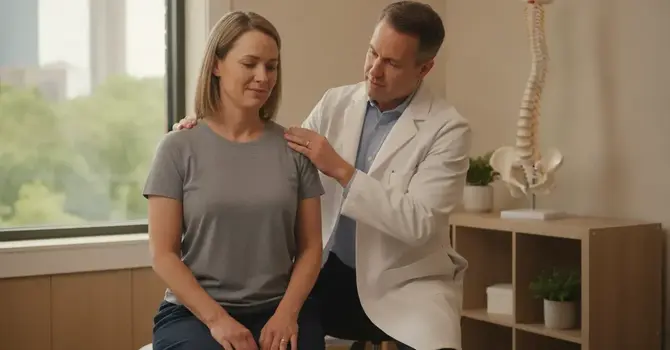
When you’re dealing with shoulder pain, it’s easy to think you only have two choices: learn to live with the discomfort or face a major surgery with a long recovery. But that’s simply not the case anymore. The field of medicine has advanced, offering a powerful middle ground with innovative, non-invasive therapies that work with your body’s natural healing abilities. Instead of just masking symptoms, these treatments aim to repair the underlying damage. This article will explore these effective alternatives, from regenerative medicine to targeted physical therapy, so you can make an informed decision about the right shoulder pain treatment Atlanta provides for your specific needs and get back to your life without surgical intervention.
Key Takeaways
- Understand the Cause Before You Treat It: Shoulder pain isn't a one-size-fits-all problem. A proper diagnosis to identify the specific issue—whether it's a rotator cuff tear, arthritis, or impingement—is the most important step toward finding a solution that actually works.
- Non-Surgical Options Can Offer Lasting Relief: You don't have to jump straight to surgery. Modern treatments like regenerative medicine, chiropractic care, and targeted physical therapy focus on helping your body heal itself, often providing a complete recovery without invasive procedures.
- Your Recovery Plan Should Be Tailored to You: The most effective path to a pain-free shoulder is a personalized one. A great specialist will create a unique treatment plan that combines different therapies to address your specific injury, lifestyle, and goals.
Why Does My Shoulder Hurt? Common Causes in Atlanta
Shoulder pain can be incredibly disruptive, turning simple tasks like reaching for a coffee mug or putting on a jacket into a painful ordeal. Because the shoulder is the body's most mobile joint, it’s also one of the most susceptible to injury. It’s a complex structure of bones, muscles, tendons, and ligaments working together, and when one part is out of sync, you feel it. Understanding what’s causing your discomfort is the first and most important step toward finding lasting relief.
Many people in Atlanta experience shoulder pain for a variety of reasons, from a sudden sports injury to the gradual wear-and-tear of daily life. The pain might be a dull ache that never seems to go away or a sharp, stabbing sensation that stops you in your tracks. Often, the root cause falls into one of a few common categories. Pinpointing the specific issue is crucial because the right diagnosis leads to the right treatment plan. At Preferred Regen ATL, we focus on identifying the underlying problem to offer effective, non-surgical solutions that help your body heal. Exploring options in regenerative medicine can provide a path toward restoring function and getting you back to your life without pain.
Rotator Cuff Tears and Strains
Your rotator cuff is a group of four muscles and their tendons that surround your shoulder joint, keeping the head of your upper arm bone firmly within the shallow socket of the shoulder. Rotator cuff tears are a very common injury that can happen from a single event, like a fall, or from repetitive stress over time. According to Piedmont Healthcare, these tears "can result from repetitive overhead activities or acute injuries" and often "lead to significant pain and limited range of motion." You might feel a dull ache deep in your shoulder, have trouble sleeping on the affected side, or find it difficult to lift your arm. This is a frequent complaint we see in athletes and anyone whose job involves repeated overhead motions, which is why proper sports injury care is so important for both treatment and prevention.
Arthritis and Joint Wear-and-Tear
If your shoulder pain is more of a chronic, aching stiffness that worsens with time, you could be dealing with arthritis. This condition is characterized by the gradual breakdown of cartilage, the smooth tissue that cushions your joints. As Piedmont Healthcare notes, "Arthritis in the shoulder is another prevalent issue, characterized by the wear-and-tear of the joint, leading to pain, stiffness, and decreased mobility." While it’s often associated with aging, arthritis can also develop after a previous injury. The pain can make it hard to perform daily activities, but you don’t have to just accept it as a part of getting older. Modern approaches in regenerative medicine focus on helping your body manage inflammation and support joint health.
Tendonitis and Bursitis
Tendonitis and bursitis are two distinct but often related conditions caused by inflammation. Tendonitis is the inflammation of a tendon, while bursitis is the inflammation of the bursae—small, fluid-filled sacs that cushion the bones, tendons, and muscles near your joints. The Hand & Upper Extremity Center of Georgia explains that these "are common problems that arise from overuse or sudden injuries, often resulting in inflammation and pain in the shoulder area." Activities like swimming, painting, or even extensive cleaning can trigger these conditions. You might notice pain that gets worse with movement. Gentle, targeted stretch therapy can sometimes help by improving flexibility and reducing strain on the inflamed tissues.
Shoulder Impingement
Do you feel a pinching sensation when you lift your arm overhead? You might be experiencing shoulder impingement. This occurs when the space between the top outer edge of your shoulder blade (acromion) and the rotator cuff tendons narrows, causing the acromion to rub against, or "impinge" on, the tendons and bursa. Piedmont Healthcare states that "shoulder impingement, also known as rotator cuff tendinitis, occurs when the tendons of the rotator cuff become irritated and inflamed, often due to repetitive overhead movements." This constant rubbing can lead to significant pain and limit your ability to reach up. Getting a precise diagnosis is key, and tools like digital X-rays can help us see exactly what’s happening inside your joint.
Your Shoulder Pain Treatment Options in Atlanta
When your shoulder hurts, you just want relief. The great news is that Atlanta offers a wide range of treatments, so you don't have to settle for a one-size-fits-all solution. From innovative therapies that help your body heal itself to more conventional routes, understanding your options is the first step toward getting back to your life. Let's look at the different paths you can take.
Exploring Non-Surgical Options
Before even thinking about surgery, it's worth exploring the powerful non-surgical treatments available. Many modern approaches focus on kickstarting your body’s own healing mechanisms to repair shoulder injuries from the inside out. At clinics like ours, specialists use advanced imaging, like ultrasound, to guide treatments with incredible precision, making sure they get to the exact source of your pain. This approach minimizes guesswork and focuses on genuine, targeted healing. These regenerative therapies are designed to restore function and get you moving comfortably again, often without the long recovery times associated with surgery.
How Regenerative Medicine Can Help
Regenerative medicine is one of the most exciting frontiers in non-surgical care. Instead of just masking symptoms, these treatments aim to repair damaged tissue and restore function. For instance, therapies can use cellular messengers to help reduce inflammation and support healing throughout the body. Other treatments deliver concentrated healing factors directly to the injured area in your shoulder, stimulating repair and enhancing mobility. These innovative therapies offer a path to recovery without the need for invasive procedures, helping you get back to your life with less pain and downtime.
When Surgery Becomes an Option
Surgery is typically considered a last resort, reserved for severe cases where more conservative treatments haven't provided the relief you need. If your pain persists after you've explored other avenues, an orthopedic specialist might discuss surgical procedures. These can range from minimally invasive arthroscopic surgery to a full shoulder replacement for extensive joint damage. The goal is always to find the least invasive solution that will work for you. That's why a thorough evaluation for sports injury care is so important—it can often help you avoid the operating room altogether.
How to Choose the Right Shoulder Specialist in Atlanta
Finding the right specialist is the most important step you can take toward healing your shoulder pain. With so many options in Atlanta, it can feel overwhelming, but knowing what to look for makes the process much clearer. You want a provider who not only has the right qualifications but also offers a treatment approach that aligns with your personal health goals. Taking the time to research your options ensures you find a partner you can trust on your journey back to feeling your best.
Understand Their Treatment Approach
Every specialist has a unique treatment philosophy. Some may recommend surgery as a primary solution, while others prioritize conservative, non-invasive methods first. It’s important to find a provider whose approach feels right for you. Many modern clinics now focus on regenerative medicine, using your body's own healing abilities to repair damage without surgery. When you’re researching, look for language that describes their methods. Do they emphasize non-surgical alternatives? Do they create personalized plans? Asking these questions helps you find a specialist who will explore all available options to get you moving comfortably again.
Read Patient Reviews and Consider Location
Credentials tell you about a doctor’s training, but patient reviews tell you about their practice. Reading testimonials gives you a real-world look at the patient experience. Do previous patients talk about feeling heard and respected? Do they mention positive results and a friendly staff? As one patient noted about their treatment, it "definitely helped with range of motion and pain relief." Also, consider the practical side of things. Since many treatment plans, like sports injury care, require multiple visits, choosing a clinic with a convenient Atlanta location will make it easier to stick with your care plan and attend all your appointments.
Your First Consultation: What to Expect
Taking that first step to address your shoulder pain is a big deal, and knowing what happens during your initial visit can make the whole process feel less intimidating. Your first consultation is really a conversation—a chance for us to understand your unique situation and for you to learn about your options. It’s all about gathering the right information so we can build a clear path toward helping you feel and move better. Think of it as the official start of your journey back to a life with less pain.
How to Prepare for Your Initial Visit
To make the most of our time together, a little preparation goes a long way. When you come in for your first appointment, please bring a photo ID, your insurance information, and any previous imaging results you might have, like X-rays or MRIs of your shoulder. You’ll fill out some initial paperwork covering your medical history and current symptoms, which gives us a foundational understanding of your health. It’s also helpful to think about your pain beforehand. When did it start? What does it feel like? Are there specific movements that make it worse? The more details you can share, the better we can pinpoint the cause.
The Physical Exam and Diagnostic Tests
After we review your history, we’ll move on to a focused physical examination. Your doctor will gently assess your shoulder’s range of motion, check its strength, and identify the precise areas of tenderness. This hands-on approach helps us understand how your shoulder is functioning and where the limitations are. Depending on what we find, we may recommend further diagnostic tests to get a clearer picture of what’s happening inside the joint. We often use in-house digital X-rays or ultrasounds to examine the bones and soft tissues. These tools are essential for making an accurate diagnosis and ensuring we’re treating the root cause of your pain, not just the symptoms.
Creating Your Personalized Treatment Plan
Once we have all the necessary information from your history, exam, and any diagnostic tests, we’ll sit down with you to discuss the findings. This is where we connect the dots and explain what’s causing your shoulder pain in a way that’s easy to understand. Together, we will create a personalized treatment plan tailored specifically to your condition and your goals. Your plan may include a combination of innovative, non-surgical options, such as regenerative medicine to promote healing from within, chiropractic care to restore proper alignment, or therapeutic bodywork like stretch therapy to improve flexibility. This plan is your roadmap, designed to get you back to your life without surgical intervention.
A Closer Look at Regenerative Shoulder Treatments
If you’re dealing with persistent shoulder pain, you might feel like your only options are temporary fixes or invasive surgery. But there’s another path forward. Regenerative medicine is a field focused on harnessing your body's natural healing abilities to repair and restore damaged tissues. Instead of just masking symptoms, these treatments aim to address the root cause of your shoulder pain, whether it’s from an old sports injury, arthritis, or general wear-and-tear.
Think of it as giving your body the tools it needs to rebuild itself. By using powerful biological materials like stem cells, platelets, and exosomes, we can help reduce inflammation, repair damaged cartilage and tendons, and get you back to living with less pain and more movement. These therapies are minimally invasive, meaning you can avoid the long recovery times and potential complications associated with surgery. Let’s explore a few of the most effective regenerative treatments for shoulder pain available right here in Atlanta.
The Benefits of Stem Cell Therapy
Stem cell therapy is a game-changer for people seeking lasting relief from shoulder injuries. Your body has stem cells that act as master repair crews, capable of transforming into different types of cells to rebuild damaged tissue. As we say at our clinic, Preferred Regen ATL offers precision-guided stem cell therapy—a cutting-edge, non-surgical option designed to help your body repair. During the procedure, we introduce these powerful cells directly to the injured area in your shoulder. They get to work repairing torn rotator cuffs, worn-out cartilage, and strained ligaments, helping to restore function and significantly reduce pain without a single incision.
How PRP Injections Promote Healing
Platelet-Rich Plasma (PRP) therapy is another fantastic option that uses your body’s own healing resources. These platelets are packed with growth factors that act like a powerful signal, telling your body to accelerate the healing process. Research shows that PRP treatment for shoulder pain can address arthritis, tendonitis, and rotator cuff tears, helping to reduce pain and improve function. It’s a straightforward way to give your shoulder the concentrated healing power it needs to recover.
Applications for Exosome IV Therapy
Exosome therapy takes cellular communication to the next level. Exosomes are tiny messengers released by cells that carry important instructions for healing and regeneration. When introduced into your body, they help coordinate your local repair cells, telling them where to go and what to do. Exosome IV Therapy delivers regenerative cellular messengers intravenously to support healing, reduce inflammation, and promote anti-aging at a systemic level. For your shoulder, this means these powerful messengers can help manage inflammation and guide the restoration of damaged tissues, supporting a more comprehensive and effective recovery process.
Effective Alternatives to Shoulder Surgery
The thought of shoulder surgery—with its long recovery time and potential complications—can be daunting. The good news is that surgery is rarely the first or only answer. A wide range of effective, non-invasive treatments can help you find lasting relief and get back to your life without going under the knife. The goal of these alternatives is not just to mask the pain but to address the underlying cause of your shoulder issue, whether it’s a rotator cuff tear, arthritis, or tendonitis.
Starting with conservative treatments is often the most effective path. By combining different therapies, you can create a powerful, personalized plan that supports your body’s natural ability to heal. This approach focuses on reducing inflammation, restoring proper joint mechanics, and strengthening the surrounding muscles to prevent future injuries. Many people find that a combination of hands-on care and advanced regenerative techniques provides the comprehensive support they need to avoid surgery altogether. Exploring these options with a specialist can help you understand the root of your pain and build a treatment plan that restores function and vitality to your shoulder.
Therapeutic Bodywork and Massage
Don’t underestimate the power of targeted bodywork for shoulder pain relief. Therapies like massage, cupping, and assisted stretching go beyond simple relaxation. They are designed to address the soft tissues that support your shoulder joint. Therapeutic massage can help break down scar tissue, release tight muscle knots, and improve blood flow to the injured area, which is essential for healing. It’s a fantastic way to reduce pain and stiffness. Similarly, specialized stretch therapy can help increase your flexibility and mobility in a safe, controlled way. When combined with other treatments, this type of hands-on care can significantly speed up your recovery and improve your overall shoulder function.
Anti-Inflammatory Injections and Therapies
When you need to address pain and inflammation at the source, advanced injections and therapies can make a world of difference. Unlike steroid shots that can have long-term side effects, regenerative treatments use your body's own healing agents to repair damaged tissue. Platelet-Rich Plasma (PRP) therapy, for example, uses a concentration of your own blood platelets to stimulate healing in torn tendons or arthritic joints. These innovative approaches focus on true healing rather than just symptom management. By promoting cellular repair, regenerative medicine can help reduce pain, improve function, and, in many cases, eliminate the need for more invasive procedures.
When Is Surgery the Right Choice for Shoulder Pain?
Deciding to have surgery is a big step, and it’s usually considered only after you’ve explored other avenues. For many people, non-invasive treatments provide significant relief and help them get back to their lives without going under the knife. The goal is always to find the least invasive, most effective solution for your specific situation, which is why we always start with conservative care. However, there are times when the damage to the shoulder joint is too extensive for these methods to resolve completely. In cases of a complete rotator cuff tear or advanced arthritis, surgery might be the most direct path to restoring function and eliminating pain for good.
If you’ve been diligent with treatments like physical therapy, chiropractic care, or even regenerative medicine and still find yourself struggling with persistent pain and limited function, it might be time to discuss surgical options with a specialist. This isn’t a sign of failure; it’s simply the next logical step in your healing journey. An orthopedic surgeon can provide a definitive diagnosis and explain whether a surgical repair is necessary. Understanding when to have that conversation is key to making an informed decision about your health and getting the lasting relief you deserve.
Signs Conservative Treatments Aren't Working
It can be tough to know when to stick with a treatment plan and when to consider something more. Generally, if your pain is severe, lasts for several weeks without improvement, or is accompanied by significant swelling or redness, it’s a clear signal to see a specialist. Another major indicator is a persistent lack of mobility. If you can’t lift your arm to put away groceries or feel a constant, dull ache even when you’re resting on the couch, your body is telling you that the current approach isn’t enough. These are the moments when a consultation to discuss all possibilities, including surgery, becomes necessary.
An Overview of Common Surgical Procedures
If you and your doctor decide surgery is the best path forward, it’s helpful to know what to expect. The type of procedure will depend entirely on your specific injury. For issues like severe rotator cuff tears, a surgeon might perform a Rotator Cuff Repair. For widespread joint damage from arthritis, a Shoulder Joint Replacement could be the solution. Many modern procedures, like Shoulder Arthroscopy, are minimally invasive. This technique uses a tiny camera and small instruments to repair the joint, often leading to a quicker recovery time compared to traditional open surgery. Your orthopedic specialist will walk you through the best option for your condition.
Where to Find Top Shoulder Pain Treatment in Atlanta
Finding the right care for your shoulder pain is a big step toward getting your life back. Atlanta has several excellent options, each with a unique approach to treatment. Whether you're looking for cutting-edge regenerative therapies or a traditional orthopedic specialist, here’s a look at some of the top places to find relief.
Why Choose Preferred Regen ATL
If you're looking for a path to recovery that avoids invasive procedures, our team at Preferred Regen ATL is here to help. We focus on advanced regenerative medicine and wellness treatments to help you get back to feeling your best. Our clinic provides a range of innovative therapies designed to restore function and vitality. For example, our Exosome IV Therapy uses cellular messengers to support healing and reduce inflammation throughout the body. We believe in trusted, personalized care to help you achieve your health goals and find lasting relief from shoulder pain.
Related Articles
- Toradol Injections for Pain Relief in Atlanta
- Comprehensive Sports Injury Care in Atlanta
- Pain Management Injections | Preferred Regen ATL
- Trigger Point Injections for Pain Relief in Atlanta
- Trigger Point Therapy in Atlanta | Relieve Muscle Tension
Frequently Asked Questions
How do I know if my shoulder pain is serious enough to see a doctor? A good rule of thumb is to seek a professional opinion if the pain sticks around for more than a week or two, gets in the way of your daily activities, or wakes you up at night. Sharp, sudden pain from an injury is an immediate reason to get checked out, but so is a dull, persistent ache that just won't quit. You don't have to be in agony to justify a visit; getting an accurate diagnosis early can prevent a minor issue from becoming a major one.
What makes regenerative medicine different from a cortisone shot? This is a great question because the approaches are fundamentally different. A cortisone shot is a powerful anti-inflammatory that can provide fast, temporary relief by reducing swelling and masking pain. Regenerative medicine, on the other hand, is focused on healing. Treatments like PRP or stem cell therapy aim to repair the damaged tissue at the source, helping your body rebuild and restore function for more sustainable, long-term results.
How long does it typically take to feel better with non-surgical treatments? Recovery isn't an overnight process because true healing takes time. Your timeline will depend on your specific injury, your overall health, and the type of treatment you receive. Some people notice improvements within a few weeks, while for others, it’s a more gradual process over several months as the tissues repair and strengthen. The goal is steady, lasting progress, not just a quick fix.
Will I need to combine different types of therapy for my shoulder? It’s very common, and often more effective, to use a combination of therapies. Shoulder issues can be complex, involving muscles, tendons, and joint alignment. A personalized plan might pair a regenerative injection to repair tissue with chiropractic care to correct posture and therapeutic stretching to restore mobility. This kind of comprehensive approach addresses the problem from all angles, giving you the best chance at a full recovery.
Are regenerative treatments like PRP or stem cell therapy covered by insurance? Currently regenerative therapies are elective and do not cover the cost. While this can feel like a hurdle, it's important to view this care as a direct investment in your long-term health and mobility. Many clinics understand this and offer payment plans or financing options to make these transformative treatments more accessible.