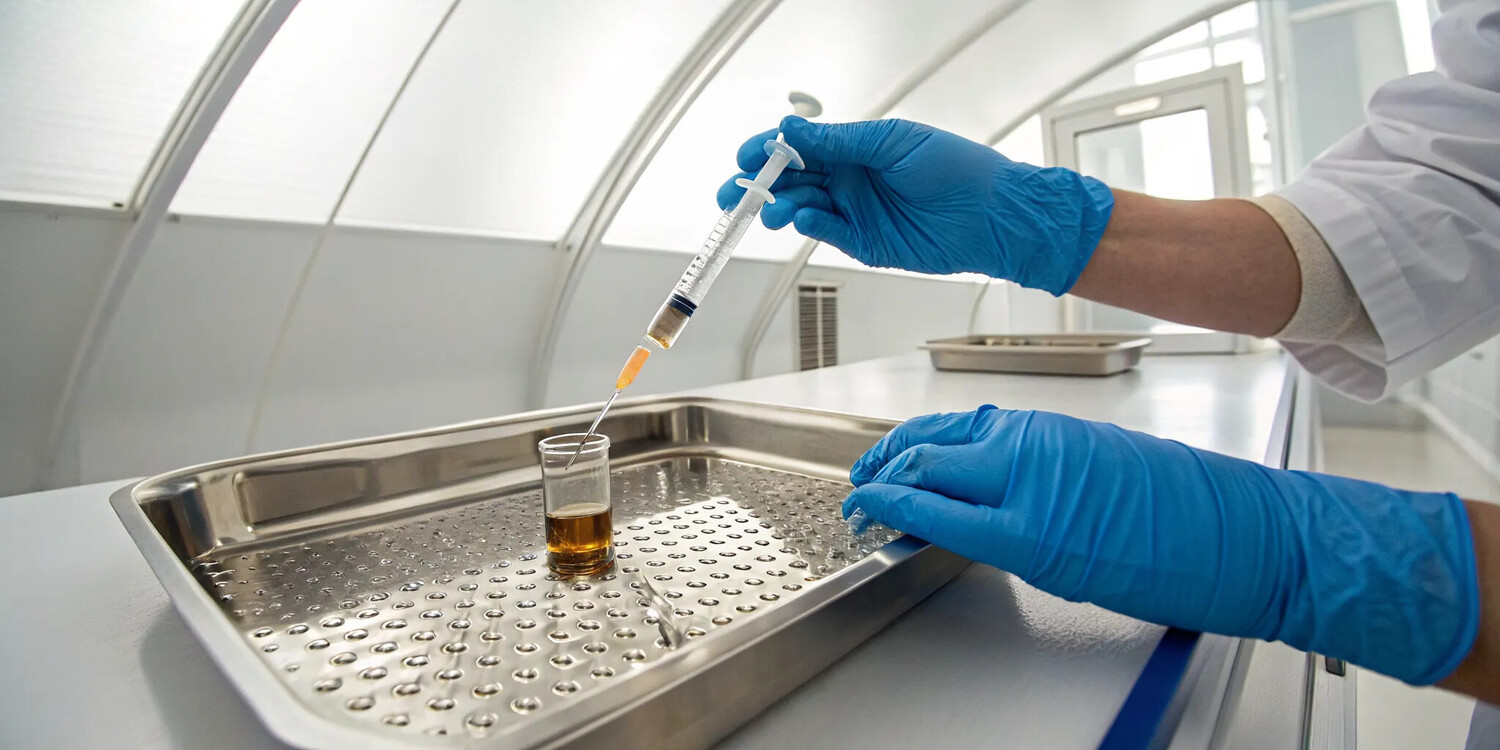
For anyone who loves to stay active, being sidelined by an injury is incredibly frustrating, especially when it feels like it’s taking forever to heal. Platelet-Rich Plasma (PRP) therapy is a game-changer for sports injuries and chronic pain because it works to speed up your body’s own repair mechanisms. Instead of just managing pain, this treatment delivers a potent dose of growth factors directly to damaged tendons, ligaments, or joints to promote genuine healing. We’ll cover the different approaches, including autologous platelet therapy that leverages your own healing potential, to help you understand your options. This article will explain how PRP can help you recover more effectively and get back to the activities you love.
Key Takeaways
- PRP works with your body's natural repair system: The therapy uses a concentrated solution of platelets, sourced from your own blood or from biologics, to deliver growth factors directly to an injury and promote tissue repair from within.
- It offers a non-surgical option for many conditions: This versatile treatment can help with everything from chronic joint pain and slow-healing tendon injuries to aesthetic concerns like hair restoration, all without the need for invasive surgery.
- A personalized plan is essential for the best outcome: PRP is not a guaranteed fix; its effectiveness is influenced by a proper diagnosis, your individual health, and the specific preparation used, making a tailored approach crucial for success.
What Is Platelet-Rich Plasma (PRP) Therapy?
If you’re looking for ways to heal an injury or manage chronic pain without major surgery, you’ve likely come across Platelet-Rich Plasma, or PRP, therapy. Think of it as a way to concentrate your body’s natural healing abilities and deliver them exactly where they’re needed most. PRP is a substance created from blood that contains a high concentration of platelets, which are tiny cells packed with powerful growth factors.
This treatment is a cornerstone of regenerative medicine, a field focused on repairing and regenerating damaged tissues in the body. Instead of just masking symptoms, PRP therapy aims to address the root cause of your pain or injury by supporting your body’s own repair processes. It’s a minimally invasive approach that can be used for everything from joint pain and sports injuries to hair restoration, helping you get back to feeling your best.
The Science Behind This Regenerative Treatment
So, what makes PRP so effective? The magic is in the platelets. While most people know platelets for their role in clotting blood after a cut, they do much more than that. Platelets are tiny powerhouses filled with hundreds of proteins called growth factors. These growth factors are essential for healing, acting as signals that instruct your body to repair damaged tissue, reduce inflammation, and grow new cells.
When you get a PRP treatment, we create a concentrate that has many more platelets than what is typically found in your blood. This supercharged solution, when injected into an injured area, delivers a potent dose of growth factors directly to the site, kickstarting and accelerating the healing process in a way your body couldn't achieve on its own.
How Platelets Kickstart Your Body's Healing Process
Once the concentrated PRP is introduced to the injured area, the platelets get to work immediately. They release their growth factors, which act like a call to action for your body’s repair system. These signals attract other healing cells to the site, encouraging the growth of new, healthy tissue, such as cartilage, tendons, or ligaments.
This process helps reduce inflammation, relieve pain, and improve function over time. It’s like sending a highly skilled construction crew to a damaged building instead of just patching up the cracks. By amplifying your body’s natural healing cascade, PRP can help you recover from nagging sports injuries and manage chronic conditions more effectively, promoting long-term repair rather than a temporary fix.
Understanding Your Options: Autologous vs. Biologics
When it comes to PRP, the source of the platelets is key. The most well-known method is "autologous," which simply means the PRP is created from your own blood. We take a small sample, process it to concentrate the platelets, and then use that solution for your treatment. This approach uses your body's own resources to facilitate healing.
However, there are other powerful options available. At Preferred Regen ATL, we also offer treatments using biologics. These are advanced cellular products derived from donated sources like umbilical or amniotic tissues, which are rich in growth factors and other regenerative components. Depending on your specific needs and health goals, we can determine whether an autologous approach or a biologic treatment is the best path forward for you.
How Does the PRP Process Work?
One of the best things about PRP therapy is how straightforward the process is. It’s a non-surgical treatment that we perform right here in our Atlanta clinic, designed to fit easily into your day. The entire procedure is focused on concentrating natural healing factors and delivering them precisely where your body needs them most. Depending on your specific condition and treatment plan, we may use one of two approaches. The first is autologous PRP, which uses a concentrate created from your own blood. The second involves using ethically sourced biologics, which provide a powerful mix of growth factors without requiring a blood draw.
Regardless of the source, the goal is the same: to introduce a high concentration of platelets and growth factors to an injured or damaged area. This helps signal your body’s repair crews to get to work, supporting the regeneration of tissue and reducing inflammation. Our team will walk you through every part of the process, ensuring you feel comfortable and informed from start to finish. Let’s break down the three main steps for a typical autologous PRP treatment.
Step 1: A Simple Blood Draw
If you and your doctor decide that an autologous treatment is the right path for you, the process begins with a simple blood draw. It’s exactly like the one you’d get during a routine physical or lab test. A member of our healthcare team will take a small sample of your blood. This sample contains all the components we need to create your personalized PRP injection: red blood cells, white blood cells, plasma, and, most importantly, platelets. The whole step is quick, minimally invasive, and is the foundation for creating a treatment that comes directly from you.
Step 2: Creating the Platelet Concentrate
Once we have your blood sample, we place it into a special machine called a centrifuge. Think of it as a high-speed spinner that separates the blood into its different layers. This machine spins the sample at a very high velocity, which causes the heavier red blood cells to sink to the bottom, leaving the lighter plasma and platelets at the top. We then carefully collect this platelet-rich plasma. The centrifuge process concentrates the platelets to be several times their normal amount, creating a powerful solution that’s ready to support your body’s healing mechanisms.
Step 3: The Targeted Injection
This is the final and most important step. We take the concentrated platelet-rich plasma and inject it directly into the area of your body that needs it, whether it’s an aching knee, a sore tendon, or another site of injury. To ensure absolute precision, we often use ultrasound imaging to guide the needle to the exact spot. This allows us to deliver the regenerative treatment with pinpoint accuracy, making sure the growth factors get right to work where they can do the most good. The injection itself is quick, and then you’re on your way to recovery.
What Conditions Can PRP Help With?
PRP therapy is incredibly versatile, which is why it’s become a go-to treatment for so many different health and wellness goals. Because it works by supporting your body’s own healing mechanisms, its applications range from repairing joint damage to rejuvenating skin. It’s a powerful, non-surgical tool for addressing the root cause of pain and dysfunction, rather than just masking symptoms. Whether you're dealing with a nagging sports injury, chronic joint pain, or even aesthetic concerns like hair thinning, PRP offers a way to promote genuine tissue repair and recovery. Let's look at some of the most common conditions we treat with this innovative therapy.
Knee Pain and Osteoarthritis
If you’re struggling with knee pain from osteoarthritis, you know how frustrating it can be to find lasting relief. PRP therapy offers a promising alternative to temporary fixes. By injecting a concentrate of growth factors directly into the knee joint, we can help reduce inflammation and support the repair of damaged cartilage. Research shows that PRP can be more effective than traditional "gel shots" (hyaluronic acid injections), with benefits that often last much longer. This approach helps manage pain and improve function, allowing you to move more freely without resorting to invasive surgery. It’s a way to use regenerative medicine to address the underlying cause of your discomfort and get back to your daily activities.
Tendon and Ligament Injuries
Tendons and ligaments are notorious for healing slowly because they have limited blood flow. This is why injuries like tennis elbow, Achilles tendonitis, or rotator cuff sprains can linger for months. PRP therapy directly addresses this problem. The treatment delivers a high concentration of growth factors right to the injury site, which can significantly speed up the healing process for damaged tissues. Instead of waiting weeks or months for your body to slowly mend itself, PRP gives it the resources it needs to rebuild and repair more efficiently. This makes it an excellent option for anyone looking to recover from nagging sports injury care and chronic tendon pain.
Common Sports Injuries
For athletes and active individuals, an injury can be a major setback. The goal is always to get back to your sport safely and quickly. PRP therapy is highly effective in promoting tissue repair, reducing inflammation, and enhancing overall recovery. It’s a powerful, non-surgical treatment for common issues like muscle strains, sprains, and other soft-tissue injuries. By supporting the body's natural healing cascade, PRP can help shorten recovery time and strengthen the injured area to prevent future problems. This allows you to return to your peak performance with confidence, knowing you’ve addressed the injury at its source instead of just managing the pain.
Hair Restoration and Skin Rejuvenation
PRP’s regenerative power isn’t limited to joints and muscles; it’s also a fantastic tool for aesthetic treatments. For hair restoration, PRP injections into the scalp can awaken dormant hair follicles, encouraging new growth and increasing the thickness of existing hair. When used for skin rejuvenation, often called a "vampire facial," PRP helps stimulate collagen and elastin production. This can improve skin texture, soften fine lines, and restore a healthy, youthful glow. As a natural treatment that uses powerful growth factors to help your skin and hair heal, it’s a popular choice for anyone seeking a more organic approach to aesthetics and anti-aging.
PRP Therapy: The Pros and Cons
When you’re exploring new treatments, it’s smart to look at the full picture. PRP therapy has helped many people find relief from chronic pain and injuries, but it’s important to weigh the benefits against the potential risks. Understanding both sides helps you make an informed decision about your health and wellness journey. Let’s walk through the pros and cons so you can feel confident about your options.
Pro: A Natural, Minimally Invasive Approach
One of the biggest draws of PRP therapy is that it works with your body’s natural healing abilities. The treatment uses a concentration of platelets, which are packed with powerful growth factors that signal your cells to repair damaged tissue. Think of it as giving your body a supercharged dose of its own healing instructions right where you need it most. At Preferred Regen ATL, we create this potent injection using either your own blood or carefully sourced biologics. This regenerative medicine approach is minimally invasive, making it a great alternative to more intensive procedures. It’s all about supporting your body’s built-in repair system to help you find relief and get back to your life.
Con: Understanding the Potential Risks
It’s completely normal to wonder about the potential downsides of any medical treatment. With PRP therapy, the risks are generally low. Since the injections are made from substances your body recognizes, the chance of an adverse reaction is minimal. The most common side effects are temporary soreness or swelling at the injection site. Like any procedure involving an injection, there is a very small risk of infection, but we manage this with strict sterile techniques. The main thing to keep in mind is that results can vary from person to person. PRP is a powerful tool, but it’s not a one-size-fits-all solution, and its effectiveness can depend on your specific condition and overall health.
How We Prioritize Your Safety
Your safety and well-being are our top priorities. We start by conducting a thorough evaluation, which may include digital x-rays or other diagnostics, to confirm that PRP is the right choice for you. We believe the most effective approach is a personalized one. Your treatment plan is designed around your specific injury, health status, and recovery goals, ensuring the therapy is tailored to your unique needs. Our team follows strict protocols to ensure the entire process, from the blood draw to the final injection, is handled with the highest standards of care. We’re here to answer all your questions and make sure you feel confident and comfortable every step of the way.
How Effective Is PRP Therapy?
When you’re exploring new treatments for pain or injury, the big question is always: does it actually work? Platelet-rich plasma therapy isn’t a new trend; it’s been used in different fields of medicine since the 1970s. There’s solid evidence showing it can be a great option for treating musculoskeletal conditions, helping to manage pain and restore function so you can get back to your life.
The goal of PRP is to use a concentration of platelets to support your body’s natural healing abilities. These injections can help speed up the recovery process for damaged tendons, ligaments, muscles, and joints. However, it’s important to know that PRP isn’t a one-size-fits-all solution. Its effectiveness can depend on the specific injury being treated, your overall health, and the exact technique used. That’s why a personalized approach is so important. We work with you to determine if PRP is the right fit for your specific situation and what you can realistically expect from the treatment.
What the Research Says About PRP
Scientific studies on PRP are ongoing, and as with many innovative treatments, the results can be mixed. While some studies show incredible benefits, others are less conclusive. What we do know is that PRP injections can help accelerate the healing of many common injuries, especially those affecting tendons and ligaments. This makes it a promising option for anyone dealing with a nagging sports injury or chronic joint pain.
Some research also suggests that combining PRP with other treatments can lead to even better results. For example, studies have found that using PRP alongside hyaluronic acid (sometimes called gel shots) may be more effective for knee osteoarthritis than using either therapy on its own. This highlights the importance of a comprehensive treatment plan tailored to your specific needs.
Factors That Influence Your Outcome
Why does PRP work wonders for one person but have a milder effect on another? Several key factors come into play. First and foremost is a proper diagnosis. Pinpointing the exact source of your pain is crucial for ensuring the injection is targeted correctly. The skill of the practitioner administering the treatment also makes a huge difference in the outcome.
Your individual health profile matters, too. Things like your age, overall health, and the specific condition being treated all influence how your body responds. The type and concentration of the PRP formulation used are also critical variables. At Preferred Regen ATL, we carefully consider all these factors to create a personalized regenerative medicine plan that gives you the best possible chance for success.
Setting Realistic Goals for Your Treatment
It’s helpful to think of PRP as a powerful tool that supports your body’s healing process, not as an instant fix. While many people experience significant relief, it’s not a guaranteed cure. Setting realistic expectations from the start is one of the most important steps toward a successful outcome.
Healing takes time, and the benefits of PRP therapy build gradually. You might not feel a major difference overnight. In fact, it can take several weeks or even a few months to experience the full effects as your tissues repair and strengthen. We’ll walk you through the entire process so you know what to expect and can feel confident and informed about your treatment journey.
Your PRP Appointment: A Step-by-Step Guide
Knowing what to expect can make your treatment experience smooth and stress-free. From preparation to recovery, here’s a simple walkthrough of what your PRP therapy appointment will look like at our clinic.
How to Prepare for Your Session
Getting ready for your PRP session is simple, but a few key steps can make a big difference. Before your appointment, we’ll give you a specific set of instructions to follow. This may include temporarily stopping certain medications that can thin your blood, such as aspirin or anti-inflammatory drugs (NSAIDs). It’s also a great idea to drink plenty of water in the days leading up to your treatment, as good hydration can make the process easier. On the day of your appointment, just be sure to have a healthy meal. Our team is here to answer any questions you have, ensuring you feel completely prepared and comfortable before we begin your regenerative medicine treatment.
What Happens on Treatment Day
On the day of your appointment, the process is straightforward. If you're using your own cells (autologous PRP), we'll start by drawing a small sample of your blood, similar to a routine lab test. This sample is then placed in a centrifuge, a machine that spins at high speed to separate and concentrate the platelets. This creates the platelet-rich plasma, a powerful solution packed with growth factors. For treatments using biologics, the prepared solution is ready for use. Finally, we carefully inject the PRP into the targeted area. We often use ultrasound guidance to ensure the injection is delivered with precision to the exact spot where your body needs it most.
After Your Treatment: Recovery and Self-Care
After your PRP injection, you can head home the same day. It’s normal to experience some mild swelling, soreness, or bruising at the injection site for a few days. This is a positive sign that your body’s natural healing response has been activated. We’ll ask you to rest the treated area and avoid strenuous activities for a short period. Unlike quick fixes, PRP therapy works with your body’s timeline. You may start to notice improvements within a few weeks, with more significant results developing over the following months. Following a personalized recovery plan, which might include services like stretch therapy, can also support your healing journey.
Debunking Common PRP Myths
With any innovative treatment, it's easy for misinformation to spread. Platelet-rich plasma therapy is a powerful tool in regenerative medicine, but it’s important to separate fact from fiction. Understanding what PRP can and can’t do is the first step toward making an informed decision about your health. When you're exploring new options for healing, being an educated patient allows you to partner with your provider to create the most effective plan. Let’s clear the air and look at some of the most common myths surrounding this treatment. By setting realistic expectations, you can better appreciate how PRP might fit into your wellness journey. We'll walk through the idea of it being a guaranteed fix, the differences in PRP preparations, and how it works with other therapies.
Myth #1: It's a Guaranteed Fix
Let's get this one out of the way first: PRP isn't a magic wand. While it has helped many people find relief and accelerate healing, it’s not a one-size-fits-all solution or a "miracle cure." The success of your treatment depends heavily on your specific condition, your body's unique healing capacity, and the skill of the practitioner. The best outcomes rely on a proper diagnosis, expert technique, and setting realistic expectations from the start. That’s why we begin with a comprehensive evaluation, which may include digital x-rays, to fully understand your injury or condition. This allows us to create a personalized plan tailored to your goals.
Myth #2: All PRP Is the Same
You might think that PRP is a standard formula, but the reality is much more nuanced. There isn't one universal way to prepare it, which means different preparations can have varying concentrations of platelets and other growth factors. This variation can absolutely affect how well the treatment works. Furthermore, the source of the platelets can differ. At Preferred Regen ATL, we offer options including autologous PRP, which uses your own blood, and biologics derived from carefully screened umbilical or amniotic cells. The right choice depends on your specific needs, and a knowledgeable provider can help determine the most effective approach for your situation.
Myth #3: It's Only a Stand-Alone Treatment
PRP is a team player. While it can be effective on its own for certain conditions, it often delivers the best results as part of a comprehensive treatment plan. Think of it as one component of a broader strategy to restore function and reduce pain. PRP is frequently used as an "add-on" treatment, meaning it’s helpful alongside other therapies. For example, a patient receiving PRP for a sports injury might also benefit from chiropractic care or stretch therapy to support muscle function and flexibility. Combining treatments creates a holistic approach that addresses your health from multiple angles for a more complete recovery.
Is PRP Therapy Right for You?
Deciding on any medical treatment is a big step, and it’s smart to gather all the facts first. Platelet-Rich Plasma (PRP) therapy is an exciting option in regenerative medicine, but it’s not a one-size-fits-all solution. Your specific condition, health history, and treatment goals all play a role in determining if it’s the right path for you. Let’s walk through what makes someone a good candidate, what to expect with costs, and how you can make a confident, informed decision about your health.
Are You a Good Candidate for PRP?
PRP therapy uses a concentration of platelets to help speed up the healing of damaged tendons, ligaments, muscles, and joints. If you're dealing with chronic pain from a condition like osteoarthritis or a nagging sports injury, you might be a great candidate. The best way to find out for sure is to have a conversation with a healthcare provider. During a consultation, we can review your health history and talk through your symptoms to see if PRP is a suitable option for your specific needs. We’ll discuss whether a treatment using your own blood or one derived from biologics would be most effective for you.
A Look at Cost and Insurance Options
It’s important to have a clear picture of the investment involved. PRP injections can be more expensive than conventional treatments because they are highly specialized procedures. When it comes to insurance, coverage can be tricky. Many insurance companies still consider PRP therapy to be an experimental treatment for certain conditions, so they may not cover the cost. We always recommend that you speak directly with your insurance provider to get a clear understanding of your policy and what it covers. Our team is also here to discuss payment options and help you find a plan that works for you.
Next Steps: Making an Informed Decision
Making an informed choice starts with separating fact from fiction. PRP has been used safely in medicine for decades, and a solid body of evidence supports its use for treating musculoskeletal conditions and managing pain. The most important step you can take is to schedule a consultation with a qualified provider. This gives you a chance to ask questions, discuss your concerns, and get a professional opinion on whether PRP therapy aligns with your health goals. Together, we can weigh the potential benefits and create a personalized treatment plan that feels right for you.
Related Articles
- PRP Therapy in Atlanta - Natural Healing at PC&W
- What is Platelet Rich Plasma? The Complete Guide | Preferred Regen ATL
- The Platelet Rich Plasma Procedure Explained | Preferred Regen ATL
- How Much Do PRP Injections Cost in Atlanta? | Preferred Regen ATL
Frequently Asked Questions
How many PRP treatments will I need? The number of treatments you'll need really depends on your specific situation. For some people, a single injection is enough to get the healing process started and provide significant relief. For more chronic or complex conditions, a series of two or three treatments spaced several weeks apart might be recommended to achieve the best possible outcome. We'll create a personalized plan for you after a thorough evaluation of your condition and goals.
Is the PRP injection painful? It’s normal to be concerned about discomfort. We do everything we can to make the procedure as comfortable as possible. You might feel a brief pinching sensation during the injection itself. Afterward, it's common to experience some soreness and swelling at the injection site for a few days. This is actually a good sign, as it means your body’s healing response is kicking in.
How long until I can expect to see results? Patience is key with regenerative treatments like PRP because they work with your body's natural healing timeline. This isn't an overnight fix. While some people start to notice improvements within a few weeks, it can often take two to three months to experience the full benefits as your tissues gradually repair and strengthen.
Can I return to my daily routine right after the injection? For the most part, yes, but we'll ask you to take it easy for a little while. We generally recommend resting the treated area and avoiding any strenuous exercise or heavy lifting for at least a few days after your appointment. This gives the growth factors time to get to work without interruption. We will provide you with specific aftercare instructions tailored to your treatment.
What's the main difference between using my own blood versus biologics for PRP? Think of it as two different ways to source the powerful growth factors needed for healing. Using your own blood, known as an autologous treatment, means the healing properties come directly from you. Using biologics involves a prepared solution derived from donated sources like umbilical tissue, which is naturally rich in regenerative components. The best option depends on your specific injury and health profile, and we can discuss which approach is most suitable for you during your consultation.