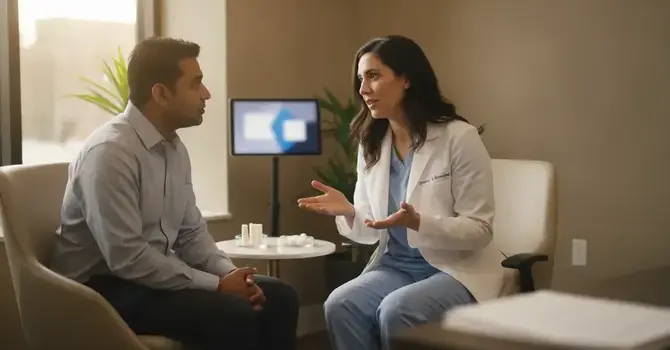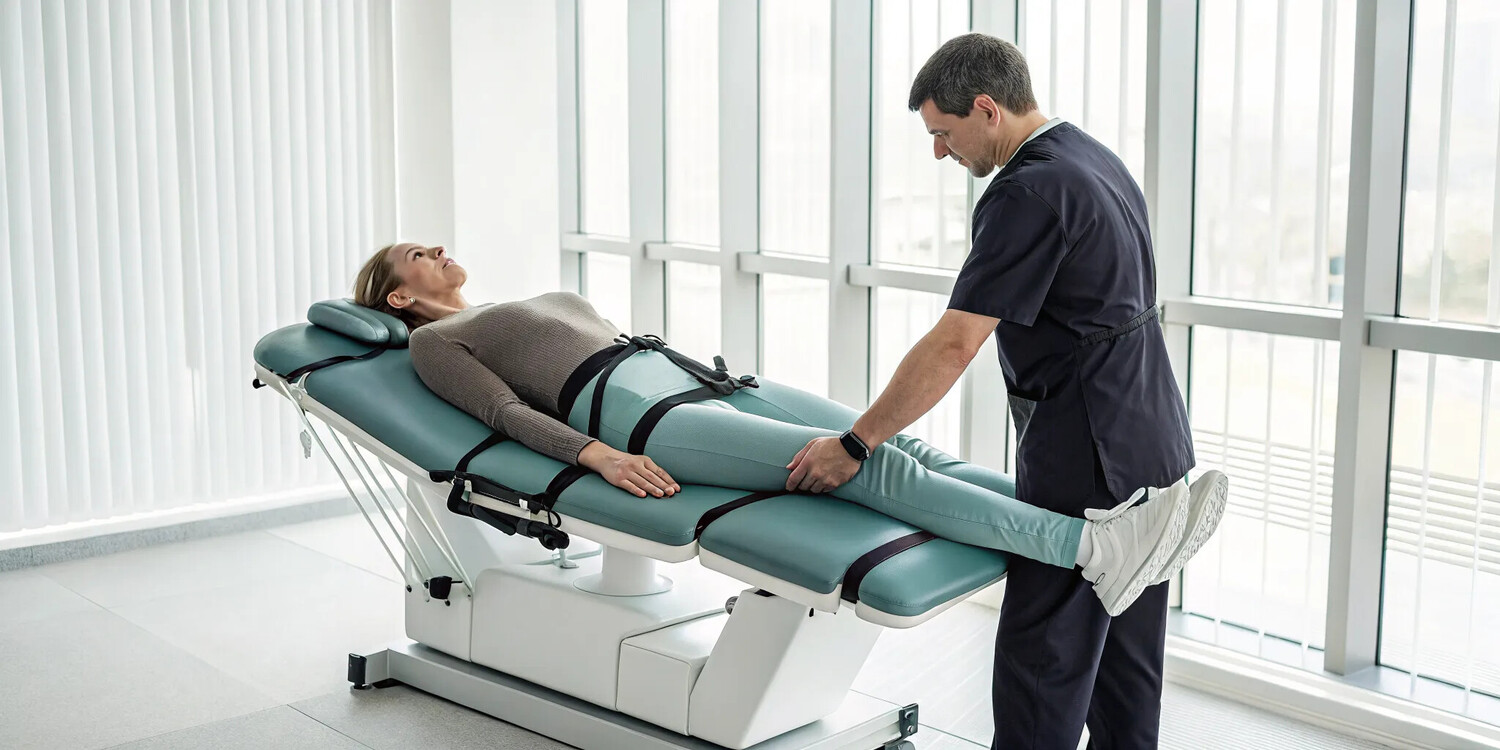
Healing your spine is a bit like tending to a garden. You can't just toss seeds onto hard, compacted soil and expect a healthy garden to grow. First, you have to prepare the ground by tilling the soil and creating a nutrient-rich environment. This is the exact logic behind our combined therapy approach. We start by creating the perfect conditions for your body to repair itself. The method of using non-surgical spinal decompression mixed w shock wave therapy(ESWT) follows this principle perfectly. Decompression gently creates space and improves circulation, while shockwave therapy acts as a catalyst, stimulating your cells to begin the deep repair process for lasting results.
Key Takeaways
- A Two-Step Approach to Healing: Spinal decompression first creates space and relieves pressure on your discs and nerves, preparing the area for healing. Shockwave therapy then accelerates recovery by stimulating your body's natural repair processes at a cellular level.
- Address the Root Cause, Not Just the Symptoms: This combined therapy is highly effective for conditions like herniated discs and sciatica because it addresses both the mechanical pressure on your spine and the underlying tissue damage, offering a more complete and lasting solution.
- Your Treatment Plan Is Tailored to You: The first step is always a thorough assessment to determine if this combination therapy is the right fit for your specific condition. This ensures your care is both safe and targeted for the best possible outcome.
What Is Non-Surgical Spinal Decompression?
If you're dealing with persistent back pain, neck pain, or sciatica, you might feel like your only options are medication or invasive surgery. But there’s another effective, gentle approach to consider. Non-surgical spinal decompression is a modern therapy designed to relieve pressure on your spine and get to the root of the problem. Think of it as a sophisticated, targeted stretch for your back, performed with advanced technology.
This treatment is an excellent option for anyone suffering from conditions like herniated or bulging discs, degenerative disc disease, or pinched nerves. Instead of just masking the pain, it creates an environment inside your spinal discs that encourages healing. By gently separating the vertebrae, it reduces pressure and allows water, oxygen, and nutrient-rich fluids to flow back into the discs. This process helps the discs heal naturally, providing lasting relief and helping you get back to your life without the need for surgery. It’s a safe and comfortable way to address chronic pain and restore function to your spine.
How Spinal Decompression Works
The process is simpler and more comfortable than it might sound. During a session, you’ll lie down on a specialized, computer-controlled table. We’ll place a harness around your hips, which is attached to the lower part of the table. The upper part of the table remains still while the lower part slides back and forth, providing a gentle and precise stretch.
This isn't just a simple pull; it's a highly controlled process. The technology allows us to target specific areas of your spine, creating a negative pressure that helps retract bulging or herniated discs. This gentle stretching creates space between the vertebrae, taking pressure off your nerves and giving your discs the room they need to heal. Most patients find the treatment quite relaxing.
Key Benefits of This Therapy
The primary goal of spinal decompression is to provide lasting relief, and it does so in several ways. The most immediate benefit is the reduced pressure on your spinal discs and nerves, which can significantly decrease pain from conditions like sciatica. As the pressure eases, you’ll likely notice improved mobility and flexibility, making everyday movements easier and more comfortable.
Beyond pain relief, this therapy helps reduce inflammation around the affected nerves and discs. By creating negative pressure, it encourages the flow of healing nutrients into the disc, which is essential for long-term recovery. For many people, spinal decompression is a powerful tool for avoiding more invasive procedures like surgery. When combined with other treatments, it can help your body heal more effectively and get you back to feeling your best.
What Is Shock Wave Therapy (ESWT)?
While non-surgical spinal decompression creates an ideal environment for healing, Shock Wave Therapy, also known as Extracorporeal Shock Wave Therapy (ESWT), actively encourages that healing process. Think of it as a way to jumpstart your body’s internal repair crew. This treatment doesn't involve any surgery or incisions. Instead, it uses targeted sound or pressure waves to help your body heal itself naturally.
ESWT is a fantastic partner to spinal decompression because it addresses pain and tissue damage at a cellular level. The therapy sends high-energy acoustic waves deep into the injured area, stimulating circulation and waking up the cells responsible for repair. It’s a non-invasive approach that complements other regenerative medicine techniques by focusing on the root cause of your pain, not just masking the symptoms. By prompting your body to rebuild and recover, ESWT helps you get back to feeling your best, faster. This therapy is especially effective for chronic conditions that have been slow to heal, as it can break up scar tissue and calcifications that might be getting in the way of your recovery. It’s a modern solution that works with your body’s own systems to produce lasting results.
The Science Behind Shock Wave Therapy
So, how does sending sound waves into your body actually work? It’s simpler than it sounds. Shock wave therapy uses a special device that delivers high-energy acoustic waves directly to the affected area. These waves create micro-trauma in the tissue, which might sound counterintuitive, but it’s actually a good thing. This controlled stimulation triggers your body’s natural healing response.
The process increases blood flow, breaks down scar tissue, and encourages the formation of new blood vessels. This all works together to promote tissue regeneration and speed up recovery. It’s a precise and effective way to get your body’s own healing mechanisms working exactly where you need them most.
How ESWT Encourages Healing
The real magic of ESWT is in how it helps your body rebuild from the inside out. As a non-invasive, drug-free method, it’s focused on encouraging natural healing within your spinal tissues. When applied to the spine, these acoustic waves can significantly reduce swelling and inflammation, which are often major sources of pain.
This therapy also helps damaged tissues, like spinal discs, regenerate and can ease discomfort by prompting your body to release its own natural pain relievers. By combining ESWT with treatments like non-surgical spinal decompression, you’re not just relieving pressure on your spine; you’re actively helping it repair itself for lasting relief and better function.
How Do These Therapies Work Together for Better Results?
Think of non-surgical spinal decompression and shockwave therapy as a powerful team working together to help you heal. While each therapy is effective on its own, combining them creates a synergistic effect that can lead to faster, more lasting relief. It’s a bit like preparing a garden bed before planting seeds. Spinal decompression is the first step, tilling the soil and creating the perfect environment for healing to take root. It gently creates space in your spine, taking pressure off sensitive nerves and discs. Then, shockwave therapy comes in like a targeted nutrient boost, stimulating your body’s natural repair mechanisms right where they’re needed most. This dual approach addresses both the structural issues causing your pain and the cellular repair process required for true healing. By tackling the problem from two different angles, this combined treatment plan offers a more complete and robust solution for chronic back and neck pain, helping you find relief that truly lasts.
Creating Space to Heal
The first step in this combined approach is non-surgical spinal decompression. This therapy works by gently stretching your spine on a specialized table. This subtle stretching creates negative pressure within your spinal discs, which essentially gives them room to breathe. It helps take pressure off compressed nerves and allows bulging or herniated discs to retract. More importantly, this process creates an ideal environment for healing. By decompressing the spine, we open up pathways for oxygen, water, and vital nutrients to flow back into the discs, which is the crucial first step toward repairing damage and reducing pain.
Accelerating Your Body's Recovery Process
Once spinal decompression has created the necessary space, shockwave therapy comes in to kickstart your body’s natural healing abilities. This therapy uses targeted acoustic waves to stimulate the affected tissues deep within your back. It acts as a catalyst, signaling your body to ramp up its repair mechanisms right where they're needed most. This process helps break down scar tissue and encourages the formation of new blood vessels. When used after decompression, shockwave therapy can work more effectively because the tissues are no longer compressed. This one-two punch helps accelerate the entire recovery timeline, getting you back to feeling your best sooner.
Improving Blood Flow and Tissue Repair
A key benefit of shockwave therapy is its ability to dramatically improve blood flow to the treated area. Healthy circulation is essential for any kind of tissue repair, as blood carries the oxygen and nutrients needed to rebuild damaged cells. The acoustic waves stimulate microcirculation, which helps flush out inflammation and deliver a fresh supply of healing components to your spinal discs and surrounding soft tissues. This enhanced blood flow directly supports the regenerative medicine process, helping to repair damaged discs, calm irritated nerves, and strengthen the supporting structures of your spine for long-term stability.
What Conditions Does This Combination Treat?
Combining non-surgical spinal decompression with shockwave therapy creates a powerful treatment plan for several common sources of back and neck pain. By addressing both the structural issues in your spine and the cellular health of the surrounding tissues, this approach helps your body heal more effectively. It’s particularly useful for conditions that involve pressure on your discs and nerves, offering a path to relief without surgery. Here are some of the specific conditions this duo can treat.
Herniated and Bulging Discs
If you’re dealing with the intense pain of a herniated or bulging disc, you know how disruptive it can be. These conditions occur when the soft center of a spinal disc pushes through a tear in its exterior, often pressing on nearby nerves. Non-surgical spinal decompression gently stretches the spine, creating negative pressure that can help draw the disc material back into place and off your nerves. Shockwave therapy then supports this by reducing local inflammation and stimulating the repair of the damaged disc and surrounding ligaments, helping to stabilize the area.
Sciatica and Nerve Pain
Sciatica is a sharp, radiating pain that travels from your lower back down your leg, typically caused by a compressed sciatic nerve. This combination therapy is highly effective for this type of nerve pain. As research shows, "Spinal decompression creates the space needed for healing, while shockwave therapy speeds up the actual repair of the tissues." By decompressing the spine, we relieve the direct pressure on the nerve root. At the same time, shockwave therapy targets the inflamed area, improving blood flow and accelerating the healing of irritated nerve and muscle tissues for more complete relief.
Degenerative Disc Disease
Degenerative disc disease is the natural process of your spinal discs wearing down over time. As discs lose hydration and shrink, they can lead to pain and stiffness. This combined therapy is an excellent non-surgical option for managing this condition. Spinal decompression helps rehydrate the discs by drawing in water, oxygen, and nutrients to restore their cushioning. Paired with this, shockwave therapy stimulates cellular activity and promotes new blood vessels, a key part of the regenerative medicine approach to healing and slowing the degenerative process.
Chronic Lower Back Pain
For those with persistent lower back pain, finding a solution that addresses the root cause is key. Chronic pain can stem from old injuries, poor posture, or other spinal conditions. This is where the synergy of these two therapies truly shines. Research shows that when used together, they often work much better and faster than either treatment alone. Decompression addresses the mechanical stress on your spine, while shockwave therapy focuses on healing the soft tissues that contribute to pain. This comprehensive approach can provide significant relief and improve your overall function.
What Does the Research Say?
It’s one thing to understand how these therapies work in theory, but it’s another to see what the data shows. When you’re dealing with chronic pain, you want proof that a treatment can deliver real results. Fortunately, the combination of non-surgical spinal decompression and shockwave therapy isn’t just a promising idea; it’s backed by clinical research and positive patient outcomes. This approach is grounded in evidence, showing that together, these therapies can offer more significant and lasting relief than when used alone. Let's look at what the studies and patient experiences tell us about this powerful duo for healing back pain and restoring function without invasive procedures.
A Look at the Clinical Evidence
When researchers dig into this combination, the findings are consistently positive. For instance, a study in The Spine Journal found that using these two therapies together helped rehydrate spinal discs and encourage regrowth. Another study found that shockwave therapy is both effective and safe, with an optimal protocol of three sessions at one-week intervals. Research has also shown that adding shock waves to an exercise program is an effective way to improve pain for people with chronic low back issues. The evidence points to a clear conclusion: this combined approach directly addresses the underlying causes of back pain by creating a better environment for your body to heal itself.
Patient Outcomes and Success Rates
The clinical data is strong, and the patient results are just as compelling. Many people report a significant drop in their pain levels right after their first shockwave therapy session. It’s this ability to provide noticeable, fast relief that makes it such a sought-after treatment. When you pair it with non-surgical spinal decompression, the effects are even greater. One study confirmed that combining spinal decompression with physical therapy is statistically and clinically more effective than physical therapy alone. For many people suffering from back pain, this combined therapy is a compelling alternative to medications, injections, or surgery, offering a path to lasting relief.
Why Is Combined Therapy More Effective?
Think of spinal decompression and shockwave therapy as a highly effective team. While each treatment is powerful on its own, they achieve so much more when they work together. Spinal decompression gently creates space and relieves pressure in your spine, setting the stage for healing. Then, shockwave therapy comes in to stimulate your body’s natural repair mechanisms right where they’re needed most. This combined approach addresses pain from multiple angles, creating a synergistic effect that leads to better, more lasting results than either therapy could produce alone. It’s a smarter, more comprehensive way to tackle the root cause of your discomfort.
Find Faster, More Complete Pain Relief
When you’re in pain, you want relief that’s both fast and thorough. Combining these two therapies delivers just that. Research shows that when used together, non-surgical spinal decompression and shockwave therapy work much better and faster than when used separately. A study in The Spine Journal even found that this combination helped spinal discs regenerate, reduced harmful tension, and rehydrated the discs. By first decompressing the spine to create a healthier environment and then using shockwave therapy to supercharge the healing process, you get more complete relief. It’s not just about masking symptoms; it’s about creating real, structural change that helps your body heal correctly.
Reduce the Need for Invasive Procedures
One of the biggest advantages of this combined therapy is its ability to provide lasting relief without surgery. For many people dealing with chronic back or neck pain, this approach offers a powerful alternative to more invasive procedures. By tackling the problem at its source, we can often help you avoid the risks, long recovery times, and potential complications associated with surgery. This non-invasive strategy focuses on supporting your body’s own ability to heal. It’s a way to get the results you need and get back to your life, without having to go under the knife. Our goal is always to find the most effective, least invasive path to wellness, which is the foundation of our approach to regenerative medicine.
What to Expect During Your Treatment
Starting a new treatment can feel a little uncertain, but our goal is to make your experience as clear and comfortable as possible. From your first visit to your final session, we’ll walk you through every step. The process is designed to be straightforward, focusing on a thorough diagnosis, a personalized treatment plan, and your comfort along the way. We believe that understanding the process helps you feel more confident and involved in your own healing journey.
Your Initial Assessment and Diagnosis
Your path to recovery begins with a comprehensive assessment. During your first visit, we’ll sit down with you to discuss your symptoms, medical history, and what you hope to achieve. This isn't just about identifying the problem; it's about understanding how it affects your life. To get a precise picture of what’s happening, we may use advanced diagnostic tools like digital x-rays. This detailed evaluation allows us to confirm if you’re a good candidate for combined therapy and create a care plan tailored specifically to your body’s needs. We want to ensure that this gentle, non-surgical approach is the right fit for you.
A Typical Treatment Timeline
Every treatment plan is unique, but a typical schedule involves consistent sessions over several weeks to achieve the best results. For shockwave therapy, a common approach is a series of treatments spaced about a week apart. Your non-surgical spinal decompression sessions will be scheduled to complement this, often on the same day, to maximize the healing effects of both therapies. This consistent schedule gives your body the time it needs to respond, repair damaged tissue, and build lasting strength. We’ll map out your entire timeline from the start, so you always know what to expect next.
Comfort and Potential Side Effects
We know a top question for any new treatment is, "Will it hurt?" Spinal decompression is a gentle and often relaxing therapy; most people feel a mild stretching sensation as the spine is carefully decompressed. During shockwave therapy, you might feel a tapping or pulsing against your skin. While the combined treatment is very safe, some people experience temporary, mild side effects from shockwave therapy, like localized soreness or redness. This is a normal sign that your body’s natural healing response has been activated. Our team will be with you every step of the way to ensure you remain comfortable throughout your session.
Is This Combined Treatment Right for You?
Deciding on the right treatment for back pain is a big step, and while the combination of spinal decompression and shockwave therapy is effective for many, it’s not a universal solution. The best approach is always one that’s tailored to your specific condition, anatomy, and health goals. A thorough evaluation is the crucial first step to determine if this powerful duo is the right fit for you. Understanding who benefits most, and who should look at other options, can help you make an informed decision about your care.
Who Makes a Good Candidate?
This combined therapy is often an excellent choice for individuals dealing with chronic lower back pain, especially when it’s caused by specific mechanical issues in the spine. If you’ve been diagnosed with a herniated or bulging disc, sciatica, or degenerative disc disease, you are likely a strong candidate. The treatment is designed for those seeking a non-surgical path to relieve the pressure and pain associated with these conditions. The first step is always getting an accurate diagnosis, which may involve imaging like Digital X-Rays to see exactly what’s happening. If you’re looking for lasting relief from these types of issues, exploring non-surgical spinal decompression and shockwave therapy is a logical next step.
When to Consider Other Options
Your safety is always the top priority, and for that reason, this combined therapy isn’t suitable for everyone. Certain conditions can be worsened by the forces used during decompression. If you have severe osteoporosis, acute spinal fractures, or advanced spinal instability, this treatment is generally not recommended. In these cases, the therapy could potentially compromise your spinal integrity. However, not being a candidate for this specific treatment doesn’t mean you’re out of options. Depending on your diagnosis, other approaches like targeted regenerative medicine or different forms of therapeutic bodywork may be a better and safer path for you. A detailed consultation will help identify the most effective plan for your unique needs.
Common Questions About Combined Therapy
It’s natural to have questions before starting a new treatment plan. Let’s walk through some of the most common ones we hear from patients considering this powerful combination of therapies.
Is the Treatment Painful?
This is a top question, and the answer is reassuring. Both non-surgical spinal decompression and shockwave therapy are designed to be gentle and non-invasive. Most people find spinal decompression therapy to be a relaxing experience; you’ll simply feel a mild stretching sensation in your spine as the table works to relieve pressure. As for shockwave therapy, it’s generally very well-tolerated. You might feel a tapping or pulsing sensation at the treatment site, but it’s not typically described as painful. Our team is always focused on your comfort and will communicate with you throughout the entire session to ensure you feel at ease. The goal is to help you heal, not to cause more discomfort.
Understanding Cost and Insurance Coverage
The cost of your treatment plan will depend on your specific condition, the number of sessions you need, and your unique health goals. Because every patient’s journey is different, we create a personalized plan just for you. During your initial consultation, we’ll go over a detailed breakdown of the recommended therapies and the associated costs so you have a clear picture from the start. Insurance coverage for regenerative treatments can vary widely between plans and providers. Our team can help you understand your options and provide the necessary documentation if you wish to seek reimbursement. We believe in transparency, and our priority is to find the most effective and accessible path to your recovery.
How Long Does It Take to See Results?
While everyone’s body responds differently, combining spinal decompression with shockwave therapy is designed to get you results more efficiently. Some people report feeling a noticeable difference after just a few sessions, while for others, the improvements are more gradual as tissues heal over time. The key is consistency. Research has shown that using these two therapies together can lead to better outcomes, including disc rehydration and reduced tension. When you create space with decompression and then stimulate repair with shockwave therapy, you’re giving your body a powerful advantage. We’ll map out a clear treatment timeline during your assessment so you know what to expect as you progress.
Related Articles
- Non-Surgical Spinal Decompression in Atlanta
- Herniated Disc Decompression Atlanta: What to Expect | Preferred Regen ATL
- A Guide to Back Pain Treatment Without Surgery in Atlanta | Preferred Regen ATL
- Gentle Knee Relief with Non-Surgical Decompression
Frequently Asked Questions
What does a combined therapy session actually feel like? This is a great question, and the good news is that both treatments are quite gentle. During spinal decompression, you’ll lie on a comfortable table and feel a slow, mild stretching sensation in your back or neck. Many people find it very relaxing. For the shockwave therapy portion, you’ll feel a light tapping or pulsing on your skin over the targeted area. It’s not painful, and our team will communicate with you the entire time to make sure you’re comfortable.
How many sessions will I need before I start feeling better? Because every person and condition is unique, there isn't a one-size-fits-all answer. Some people report feeling a sense of relief after just a few sessions, while for others, the healing process is more gradual. The goal is to create lasting change, which takes time. During your initial assessment, we will create a personalized treatment plan that outlines the recommended number and frequency of sessions to give you the best possible outcome.
Is this a permanent fix for my pain? This therapy combination is designed to address the root cause of your pain, not just cover up the symptoms. By decompressing the spine and stimulating tissue repair, we are helping your body heal itself for long-term stability. The durability of your results often depends on the nature of your condition and how you support your body afterward. We'll provide guidance on posture, movement, and other habits to help you maintain your progress long after your treatment plan is complete.
How is this different from chiropractic adjustments or physical therapy? While chiropractic care and physical therapy are excellent for many conditions, this combined approach works differently. Chiropractic adjustments typically focus on improving joint mobility and spinal alignment. Physical therapy centers on strengthening muscles and improving movement patterns. Our combined therapy goes a step further by creating space to heal the spinal discs and then using shockwave technology to actively stimulate cellular repair and tissue regeneration right at the source of the injury.
What can I do between appointments to support my recovery? Your participation is a key part of the healing process. Simple things can make a big difference. Staying well-hydrated is crucial, as it helps your spinal discs absorb the nutrients they need to heal. We also recommend engaging in gentle movement, like walking, as advised by our team. Paying attention to your posture while sitting and standing can also help reduce strain on your spine and support the work we do in the clinic.