Chronic joint pain can make simple walks around Piedmont Park feel like an uphill climb. When persistent tendon or muscle stiffness resists standard care, finding a reliable, non-surgical solution is essential.
Highly effective shockwave therapy atlanta at Preferred Regen ATL provides a modern, non-invasive treatment for residents struggling with chronic joint and tendon pain. This advanced clinical approach uses targeted acoustic waves to stimulate local blood flow, ease inflammation, and support the body's natural healing mechanisms. According to clinical research published in PubMed Central, these mechanical pulses trigger a biological process called mechanotransduction to repair damaged tissues with zero downtime. Because these brief visits need no recovery, patients can resume their daily Atlanta activities right away while feeling gradual pain relief over the following weeks. This gentle treatment is highly effective for common conditions like plantar fasciitis, heel spurs, and tennis elbow without the risks of invasive surgery.
To understand how this advanced care can help you find relief, it is helpful to look closely at the clinical science behind the technology. If you are wondering how these acoustic waves stimulate deep recovery, we will first look at What Is Shockwave Therapy? as the path begins with:
Shockwave Therapy Atlanta: What Is Shockwave Therapy?
Chronic pain can limit your daily life and make simple tasks hard. Many people search for ways to find relief without surgery. At Preferred Regen ATL, we offer shockwave therapy in Atlanta as a safe path to healing. This care uses high-energy sound waves to help your body heal itself. It is a modern, non-invasive option for joint and muscle pain.
Acoustic waves and tissue healing
The clinical name for this treatment is extracorporeal shockwave therapy, or ESWT. It uses high-intensity mechanical waves that last for a very short time to treat deep tissue pain. These acoustic pulses deliver pressures to the sore area, often between 500 and 1,000 bar. Doctors have used these mechanical waves to manage joint and muscle pain since the year 2000.
Our clinic uses the OrthoPulse One device to send these pulses. The OrthoPulse shockwave therapy system gives a safe, non-surgical choice for pain care. It sends fast sound waves into the body to start natural healing. This helps you heal without the risks of surgery or drugs.
How mechanotransduction works
The main power of shockwave therapy is biological, not mechanical. The sound waves do not just break up tight tissue. Instead, they work through a biological process called mechanotransduction.
This term means your cells turn mechanical pressure into biological signals. When the acoustic waves pass through your tissue, they stress the cells. This mild stress tells the cells to release healing factors. It boosts blood flow and helps your body build new blood vessels. In this way, the treatment works with your body to repair tissue and lower pain. This natural process is one of the best non-surgical pain relief options for chronic joint issues.
Focused versus radial shockwaves
It is helpful to know that there are two main types of shockwaves. These are focused waves and radial waves. Focused shockwaves go deep into one single point. Doctors often use them to target small, deep areas like bone spurs or deep joints.
In contrast, radial waves spread out as they travel. They treat a wider, more shallow area of muscle and tendon. The OrthoPulse One system uses radial pressure waves. This system is great for sore muscles, tendon issues, and tight bands of tissue. It spreads the wave energy across the painful zone to cover more tissue in less time. This makes it a highly effective tool for many common chronic injuries.
Conditions Treated with Shockwave Therapy in Atlanta
Chronic pain can make daily life hard. When rest and ice do not work, you may need a different path. Preferred Regen ATL provides non-surgical care to help you get back to your routine. We use acoustic waves to target pain at its source. This treatment helps your body heal itself without drugs or surgery.
Foot and Heel Pain
Many people come to us with sharp heel pain from plantar fasciitis. This issue happens when the thick band of tissue on the bottom of your foot gets inflamed. Bone growths called heel spurs can also cause pain in this spot. Acoustic waves help by sending energy into the stiff tissue. This process starts the repair of small tears and lowers local swelling. This treatment offers a helpful option instead of steroid shots, which often give only temporary relief. We also treat Achilles tendonitis, where tight calf muscles strain the tendon at the back of your heel, making walking painful. The therapy helps rebuild collagen in this thick tendon to support your heel health.
Overuse Elbow and Shoulder Injuries
Repeated movements can stress your tendons and lead to chronic wear. We treat several overuse conditions to help you get moving again:
- Tennis elbow: This pain on the outer side of the arm is also called lateral epicondylitis. It comes from overusing the tendons in your wrist and forearm. Because tendons have a poor blood supply, they heal slowly on their own. Acoustic waves help by boosting blood flow to these slow-healing tissues, which speeds up your recovery.
- Shoulder tendonitis: Ongoing shoulder pain can come from calcific tendinopathy, where calcium builds up in the tendon. The acoustic waves can help break down the calcium and ease stiffness. This allows your shoulder joint to move more freely without pain.
Spine and Low Back Support
For back issues, doctors have studied extracorporeal shockwave therapy (ESWT) for many joint and nerve problems. This includes pinched nerves, joint wear, and chronic low back pain. A study published in PMC10648068 shows that ESWT works well for these less common areas of musculoskeletal pain. It helps by changing pain signals and easing muscle tension along the spine.
For complex pain, we often combine treatments to get the best results. You can use shockwave therapy on its own, or as part of a larger plan. Research in PubMed confirms that ESWT works well in both unimodal and multimodal approaches for chronic pain. If you have sports injuries or chronic overuse, you can choose Atlanta shockwave therapy at Preferred Regen ATL. We build a custom plan to help you heal.
What to Expect During Your Shockwave Therapy Session
The prep work
If you are seeking shockwave therapy in Atlanta, we make sure your visit is simple and clear. Our team first looks at your health records. We study your joint scans, like X-rays or MRI images, to find the source of your pain. Once we map the target spot, you will sit in a cozy chair to start.
Before we apply the gel, our expert will map the exact spot to target. We use advanced scans, like X-rays, to find where the tissue is tight or damaged. This care ensures that the pulses hit the best spots. We also explain the process so you know what to expect before we begin.
The step-by-step treatment
When you are ready, the treatment begins. The process is simple and does not use any needles, numbing shots, or drugs. Instead, it relies on acoustic energy to trigger healing deep within your joints. Here are the steps we follow during a standard visit.
- Gel prep: We put a clear gel on your skin over the painful joint. This gel helps the sound waves travel from the device straight into your deep tissue.
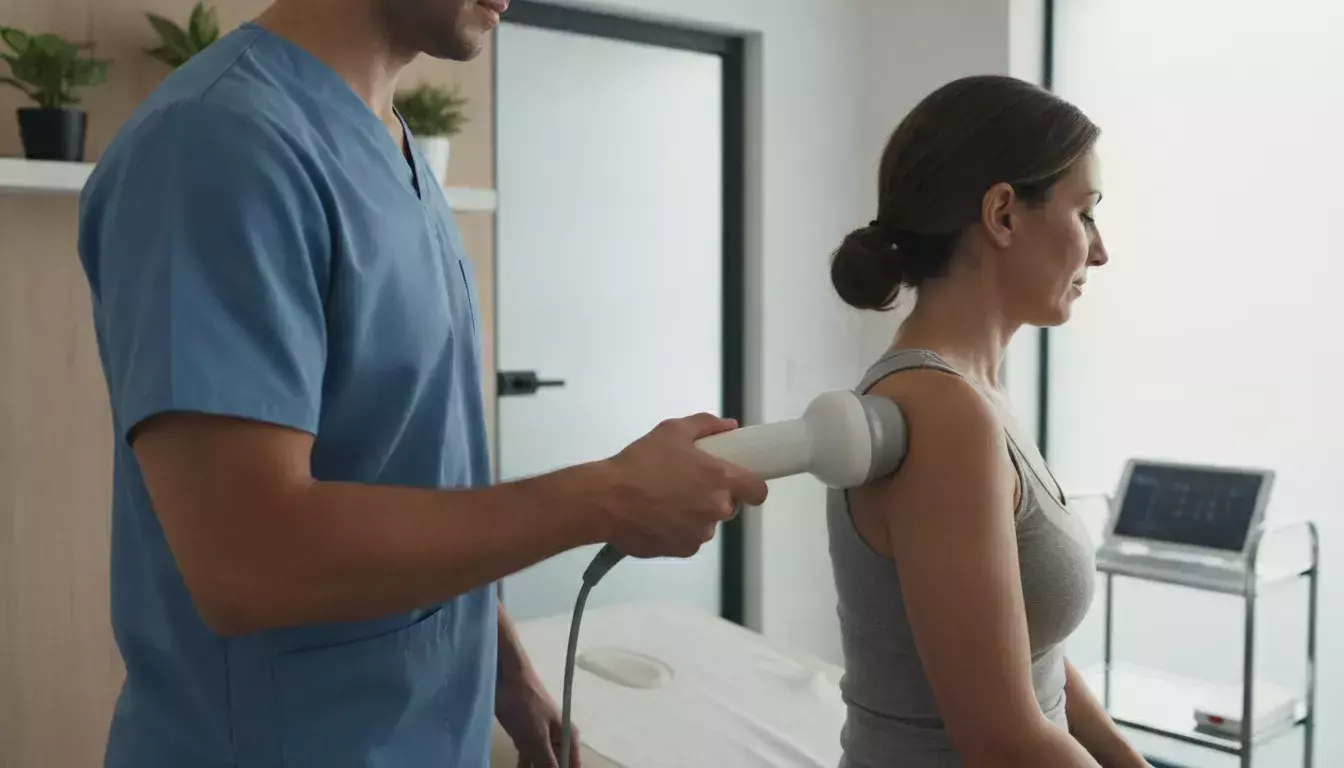
- Pulse delivery: Our expert moves a small handheld tool over the gel. This tool sends about 2000 quick acoustic pulses into your sore joint.
- Sensation: You will feel a fast tapping or pulsing as the tool works. It may cause mild soreness, but most people manage it with ease.
- Timing: The active part of the session lasts only 15 to 30 minutes. The quick timing makes it easy to fit into a busy day.
Our care team tracks your feedback throughout these steps. If the pulses feel too strong, we can adjust the tool in real time to keep you at ease. Most patients find that any mild pain fades as soon as the device stops moving.
Post-treatment recovery
Once the session ends, we wipe away the gel. You can stand up, walk out, and go right back to your day. This safe method has minimal downtime, so you do not need to rest for days.
Some patients feel mild soreness in the joint for a day or two. This minor ache is normal and shows that your body is starting to repair itself. We ask you to avoid heavy lifting or hard workouts for the first twenty-four hours to let the joint heal. You can still walk, work, and do most normal tasks with ease.
As the weeks go by, the joint can start to feel better. Many patients notice that their pain goes down and they can move with more freedom. We will check in with you to track your progress and see if you need more sessions. Our goal is to help you get back to your active lifestyle without surgery.
How Many Shockwave Therapy Sessions Are Needed?
When you seek relief from chronic pain, you want to know how long the process takes. For most issues, a standard plan has three to six weekly visits. At Preferred Regen ATL, we tailor this plan to fit your needs. Your care might include just shockwave or a mix of tools, such as shockwave therapy in Atlanta.
Typical treatment timeline
Shockwave therapy is a proven option for chronic joint and muscle pain that does not get better with basic care. This method uses acoustic waves to target painful areas in your body. It works well for long-term pain that has failed to improve after other treatments. Since 2000, doctors have used these chronic pain treatments to help people regain their movement.
Most patients need a series of three to six sessions. Each session takes about fifteen to thirty minutes. We space these visits one week apart. This timing gives your cells enough time to start the healing process while avoiding soreness.
When to expect results
You may feel some relief right after your first session, which is often due to short-term nerve numbing. But real and lasting healing takes more time. You will notice a gradual change in your pain level over a few weeks. This happens as your body keeps working long after your session ends.
Acoustic waves boost your blood flow and help cells grow. While this response is not instant, it builds up over time with each visit. Many patients report that their best results appear about one month after their final session. Over time, you should feel a steady boost in your joint function.
Factors that affect healing
Many things can change how fast you heal. For example, the age of your pain plays a big role. If you have had joint pain for years, you might need more visits than someone who just got hurt. Your age and health also affect how fast your cells repair.
Good aftercare is also key to your success. For example, you must avoid heavy exercise for twenty-four hours after each session. Your tissues need this time to rest and start healing. Doing too much work too soon can slow down your progress.
Shockwave Therapy vs. Other Non-Surgical Treatment Options
People seeking relief from chronic pain often explore many paths before finding the right fit. At Preferred Regen ATL, we do not view treatments as rivals working against each other. Instead, we offer a full spectrum of non-surgical pain relief options designed to work as a team. This means we can match the right tool to the exact type of injury or pain you have.
A Spectrum of Care for Chronic Pain
Each treatment has a unique role to play in your recovery. For example, shockwave therapy is highly helpful for soft tissue pain and chronic tendon issues. It uses acoustic sound waves to help repair tight muscles and tendons.
On the other hand, if you suffer from joint wear, biologic options like PRP or stem cells are more useful. These cells help modulate inflammation in deeper joint structures. For spinal issues, we use chiropractic care to improve bone alignment, while spinal decompression relieves pressure on pinched nerves.
Our team looks at each patient to build a custom plan. We look at your pain history, daily activity, and recovery goals to select the best treatments from our spectrum. This custom care ensures that you receive the exact support your body needs to heal.
| Treatment | Primary Target | How It Works | Clinical Role |
|---|---|---|---|
| Shockwave Therapy | Soft tissue and tendons | Acoustic sound waves | Relieves muscle pain and soreness |
| Chiropractic Care | Spine and joints | Manual bone adjustments | Improves joint motion and alignment |
| PRP Therapy | Mild joint degeneration | Concentrated platelets | Supports natural tissue repair |
| Stem Cell Therapy | Moderate joint wear | Biologic cells | Modulates joint inflammation |
| Spinal Decompression | Spinal discs and nerves | Gentle spinal stretching | Relieves pressure on pinched nerves |
How Shockwave Therapy Integrates with Biologics
Medical research supports using these different therapies together. A study on the National Institutes of Health website shows that shockwave therapy is a proven way to treat chronic joint pain. These acoustic waves work by stimulating cells to repair tissue, which helps when pairing therapies for complex injuries. Research confirms that using shockwave therapy within a broader, multi-tool plan helps lower pain and improves movement.
At our Atlanta regenerative medicine clinic, we focus on how these options work together. Our care plans are designed to work together to support your joint health. We often combine shockwave therapy with biologic options like PRP or stem cells.
The shockwave sessions help ease tight muscles around a joint. This prepares the area, while the biologic treatments work to modulate deep inflammation. By pairing these tools, we can help you regain movement and improve your daily quality of life.
Am I a Candidate for Shockwave Therapy?
Many people seek shockwave therapy in Atlanta to find relief from joint and muscle pain. But how do you know if this care is right for you? At Preferred Regen ATL, we check each patient in depth through our patient screening process. Medical pain treatment studies show that sound waves have helped people manage chronic joint and muscle issues since the year 2000.
When to consider this care
You may be a good candidate if your pain has lasted for three months or more. Often, our patients come to us after they try rest, ice, or physical therapy without success. Shockwave care can help when these common steps do not work. It is ideal for issues like plantar fasciitis, tennis elbow, shoulder tendonitis, and chronic back pain.
If you have been told that you need surgery for a back injury, you can explore other non-surgical pain relief options first. This treatment helps trigger the body's natural healing process to repair the tissue over time.
How we screen our patients
We do not guess when it comes to your health. To make sure this care is safe for you, our team screens candidates with imaging. We look at your X-ray or MRI scans to check joint space, instability, and deformities. This imaging screening helps us find the root cause of your pain before we begin.
This check is also a great way to find out the grade of arthritis in a joint. Having this information helps us build a plan that is made just for your body. Our goal is to make sure you get the right care at the right time.
Who should avoid this therapy
For most people, medical studies show that this treatment is safe and has very little downtime. But you should avoid this care if you have certain health conditions. For example, do not get this treatment if you are pregnant, have a blood clotting disorder, or take blood thinners. You must also avoid these waves if you have an active infection or cancer near the painful site.
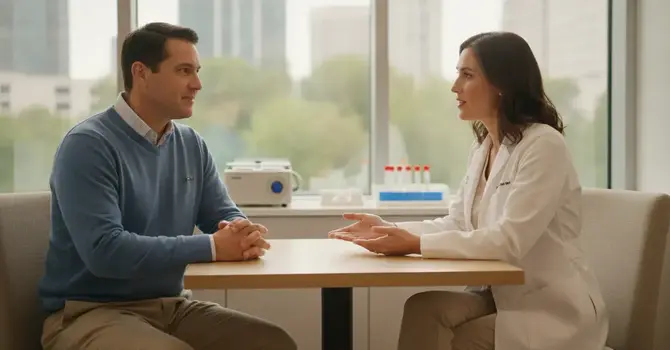
We offer a free consultation at our office to help you decide if you are a candidate. Our clinical team will discuss your history and help you choose the best treatment path.
Frequently Asked Questions
Is shockwave therapy covered by insurance in Atlanta?
Most health insurance plans do not cover shockwave therapy in Atlanta. They often view it as an elective care option, which means you must pay out of pocket. Some health savings accounts may help cover the costs of your treatment. It is best to check with your insurance provider and our team to find the best payment path.
Does shockwave therapy hurt?
The treatment can cause some mild discomfort, but most patients find it easy to tolerate. You may feel a deep tapping sensation during the session. According to a clinical study on PubMed Central, this therapy is safe and well-tolerated with minimal downtime. Any mild soreness after your visit should fade in a few days.
How many shockwave therapy sessions will I need?
Most patients need between three and six sessions to get the best results. These visits are usually spaced one week apart to let your body heal. While some people feel better after their first visit, your body needs time to build new tissue. According to clinical data on PubMed Central, mechanical waves stimulate a deep biological healing response that continues for several weeks.
How long do shockwave therapy results last?
The benefits of shockwave therapy can last for a long time because they help your body repair itself. According to a medical study on PubMed Central, the waves trigger cell activity that supports deep tissue healing. Many patients enjoy pain relief for several months or even years. Your results can last much longer when you combine treatment with healthy movement and muscle care.
Ready to find lasting relief from chronic joint pain?
Waiting to treat your joint pain can cause more damage to your own body and make simple daily tasks feel like a very heavy burden. Starting this safe acoustic wave treatment now can speed up your natural healing process and help you regain your movement in just a few weeks. You can read more about how we use shockwave therapy in Atlanta to treat chronic pain, or you can just call our clinic staff today. Our clinical team at Preferred Regen ATL is ready to support you with expert care at every single step of your own personal healing journey.
Ready to get lasting relief? Call (404) 888-0666 to schedule a consultation.

Lindsay GoMega
Contact Me