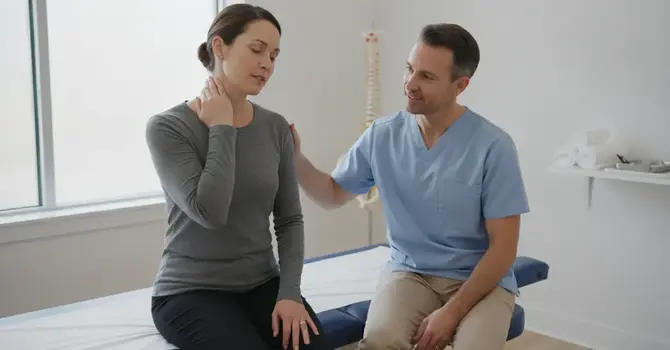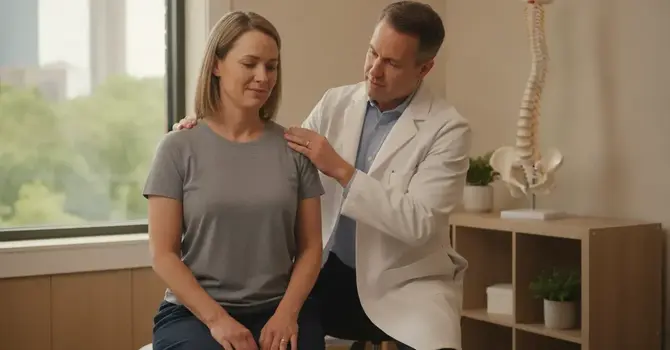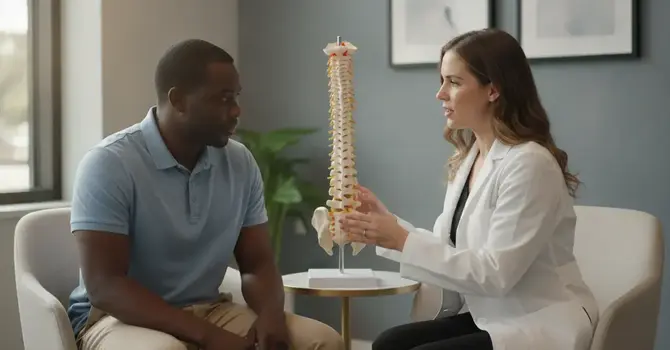
Managing scoliosis is about more than just focusing on the curve in your spine; it’s about supporting your entire body. The condition creates muscle imbalances and chronic tension that can affect your overall well-being. A comprehensive treatment plan addresses all these factors, and scoliosis chiropractic care is often a powerful cornerstone of that strategy. When combined with complementary treatments like targeted stretch therapy and corrective exercises, chiropractic adjustments help restore balance and relieve pain. This integrated approach builds a strong foundation for long-term stability, helping your body function at its absolute best.
Key Takeaways
- Prioritize Symptom Relief and Function: The primary goal of chiropractic care for scoliosis is to manage pain, reduce stiffness, and improve mobility. It is a powerful tool for enhancing your quality of life, not for structurally reversing the spinal curve.
- Expect a Comprehensive, Personalized Plan: Effective treatment goes beyond simple adjustments. A thorough approach includes corrective exercises, soft tissue therapy, and postural training, all guided by a precise diagnosis using tools like digital X-rays.
- Your Provider's Expertise is Crucial: The safety and success of your care depend on finding a qualified chiropractor with specific experience in managing scoliosis. A great provider will set realistic goals and create a custom plan focused on improving your daily comfort and function.
What Is Scoliosis?
At its core, scoliosis is simply a sideways curvature of the spine. Instead of running in a straight line down your back, the spine curves into an “S” or “C” shape. This condition can range from very mild, causing no issues at all, to more significant curves that lead to noticeable posture changes and discomfort. While the idea of a curved spine might sound alarming, it’s a fairly common condition, and many people live full, active lives with it.
Understanding what’s happening with your body is the first step toward finding relief. The curve can develop in different parts of the spine and can sometimes cause the vertebrae to rotate, creating a more complex, three-dimensional change. For many, the primary concerns are managing pain and improving posture, which is where a thoughtful, personalized care plan can make a world of difference.
Key Symptoms to Look For
The signs of scoliosis are often subtle, especially in the early stages. You might notice visual changes before you feel any pain. Common symptoms include having uneven shoulders, where one sits higher than the other, or one shoulder blade that appears more prominent. You may also see an uneven waistline or one hip that is higher than the other. When bending forward, one side of the back may appear higher.
While some people experience back pain and stiffness, many with mild scoliosis have no discomfort at all. If you do have symptoms, they can range from a dull ache to sharper pain that worsens after long periods of sitting or standing. Getting an accurate picture of your spinal health is crucial, and modern diagnostic tools like digital X-rays can provide a clear view of the curve’s severity and location.
Who Is Most at Risk?
Scoliosis can affect anyone at any age, but it’s most often identified in adolescents between the ages of 10 and 15. This is because it tends to appear or progress during the growth spurt that happens just before puberty. The most common form is called idiopathic scoliosis, which is a medical way of saying the exact cause isn't known. Girls are also more likely than boys to develop curves that require attention.
While it’s frequently associated with teenagers, adults can also be diagnosed with scoliosis. This can happen if a childhood curve was never detected or if the spine begins to curve later in life due to degenerative changes. No matter when it’s diagnosed, finding the right sports injury care and support can help you manage symptoms and maintain your quality of life.
Can Chiropractic Care Help With Scoliosis?
If you or a loved one has scoliosis, you’re likely looking for ways to manage the condition and live more comfortably. Chiropractic care is a common path people explore, and for good reason. While it’s important to have realistic expectations, chiropractic treatment can play a significant role in a comprehensive scoliosis care plan by focusing on what can be improved: your comfort, mobility, and overall quality of life. The key is to understand what chiropractic care can and cannot do for a curved spine.
Managing Symptoms vs. Correcting Structure
Let's get straight to the point: chiropractic care does not "cure" or reverse the structural curve of scoliosis. Instead, its primary goal is to manage the symptoms that come with it. Think of it as improving function rather than changing the form. A spine with scoliosis can cause surrounding muscles to become tight, joints to feel stiff, and chronic pain to develop. Chiropractic adjustments and therapies work to relieve that pressure and discomfort.
By improving spinal mechanics and reducing nerve irritation, treatment can help you move more freely and with less pain. This focus on symptom relief is incredibly valuable. It can mean the difference between sitting on the sidelines and participating in the activities you love. Paired with other treatments like targeted stretch therapy, it helps your body function at its best.
What the Research Says
So, what does the science tell us? Studies consistently show that chiropractic care can be very effective for managing the pain associated with scoliosis, particularly chronic back pain and headaches. Patients often report significant relief from muscle tightness and an overall improvement in their daily comfort. This makes it a strong, non-invasive option for anyone looking to manage their symptoms without surgery or medication.
However, the research is also clear that spinal manipulation cannot straighten the curve itself. A responsible chiropractor will be upfront about this. Their approach will be grounded in a thorough diagnostic process, often using tools like digital x-rays to get a precise picture of your spine. This allows them to create a safe and effective plan tailored to your unique needs, focusing on achievable goals like pain reduction and better mobility.
Common Chiropractic Techniques for Scoliosis
When you visit a chiropractor for scoliosis, the goal is to create a comprehensive plan that addresses your specific symptoms and needs. It’s not about one single technique, but rather a combination of therapies designed to reduce pain, improve your mobility, and enhance your overall quality of life. This personalized approach ensures that your treatment targets the unique challenges presented by your spinal curve. By combining different methods, your chiropractor can help manage muscle imbalances, relieve pressure on your nerves, and support your body’s structure.
Spinal Adjustments
One of the core components of chiropractic care is the spinal adjustment. For scoliosis, these adjustments are gentle and precise movements applied to the spine to improve mobility and function in restricted joints. The primary goal isn't to "cure" or reverse the structural curve of your spine. Instead, the focus is on managing your symptoms. By restoring better movement in the vertebrae, adjustments can help alleviate pain, reduce stiffness, and correct some of the muscle imbalances that develop as your body compensates for the curve. This can lead to significant improvements in comfort and your ability to move freely.
Corrective Exercises and Stretches
Your chiropractor will likely prescribe specific exercises and stretches as part of your treatment plan. These aren't just generic workouts; they are carefully chosen to address the asymmetries caused by scoliosis. The focus is often on strengthening your core muscles, which helps your body support its own weight in a more balanced posture. Some chiropractors may guide you through specialized programs, like the Schroth method, which uses customized exercises to de-rotate and elongate the spine. Consistent stretch therapy and strengthening work can help retrain your muscles and improve your body's alignment over time.
Soft Tissue Therapy and Postural Training
Scoliosis doesn't just affect your bones; it also puts a great deal of strain on your muscles and connective tissues. Soft tissue techniques, such as therapeutic massage or instrument-assisted methods, are used to address this. These therapies help relax chronic muscle tension and reduce inflammation in the muscles that are overworking to compensate for the spinal curve. This can provide immediate pain relief and make it easier for your body to adapt to other treatments. Postural training is also key, as it teaches you how to hold your body in a way that minimizes strain and promotes better balance throughout your daily activities.
How Digital X-Rays Guide Treatment
A precise diagnosis is the foundation of an effective scoliosis management plan. Before any treatment begins, a thorough assessment is necessary, and this almost always includes imaging. Using tools like digital X-rays, your chiropractor can get a clear and detailed picture of your spine. This allows them to accurately measure the degree and direction of your curve, identify any rotation, and see exactly how it's affecting your body. This information is critical for creating a safe and highly customized treatment plan that is tailored to your specific spinal structure, ensuring every adjustment and exercise is right for you.
What to Expect: Benefits and Limitations
When considering chiropractic care for scoliosis, it's important to have a clear picture of what it can and cannot do. The main objective is to manage symptoms and improve your quality of life. By understanding both the potential benefits and the inherent limitations, you can work with your provider to set achievable goals for your treatment plan. This approach ensures you are focused on making meaningful progress in your daily comfort and mobility.
Potential Benefits: Pain Relief and Better Mobility
For many people living with scoliosis, the most frustrating symptoms are chronic back pain, muscle stiffness, and reduced mobility. This is where chiropractic care can make a real difference. Gentle adjustments and targeted therapies help relieve pressure on the nerves and joints, which can significantly reduce pain and discomfort. Many patients also find that it eases related issues, like tension headaches and tight muscles. The focus is on improving how your body moves and functions, which can help you get back to the activities you love with less pain. This is a key part of effective sports injury care and overall wellness.
Understanding the Limitations
It is crucial to be direct about what chiropractic care cannot do for scoliosis: it does not fix or reverse the curve in your spine. While adjustments can improve your spine's mobility and alignment, they will not make it structurally straight. Scientific studies have not shown that chiropractic treatment can stop the progression of a scoliosis curve, especially in adults who are no longer growing. Therefore, you should be cautious of any provider who promises to "cure" your scoliosis. Instead, think of chiropractic care as a powerful tool for managing your symptoms and supporting your body’s overall function, sometimes alongside other treatments like non-surgical spinal decompression.
Why Realistic Goals Are Key
Setting realistic goals is the most important step toward a successful scoliosis management plan. The true aim of chiropractic care in this context is to enhance your quality of life. This means focusing on tangible outcomes, such as reducing your pain levels, increasing your flexibility, and improving your ability to perform daily tasks comfortably. A knowledgeable chiropractor will partner with you to create a plan that helps your body function at its best. This plan often includes complementary treatments like corrective exercises and stretch therapy to support your progress. By focusing on what can be achieved, you can make significant strides in how you feel and move.
Is Chiropractic Care for Scoliosis Safe?
When you’re dealing with a condition like scoliosis, safety is understandably your top priority. The short answer is yes, chiropractic care for scoliosis is widely considered safe, but with a few important conditions. Safety isn't just about the treatment itself; it's about the practitioner providing it and the plan they create for you. A qualified chiropractor won't apply a generic approach to a complex spinal curve. Instead, they will use a careful, measured, and highly personalized strategy to manage your symptoms and improve your quality of life. This involves a thorough assessment from the very beginning to ensure that every step taken is right for your body. True safety lies in this combination of professional expertise, detailed diagnostics, and a plan that is built around your unique needs.
Answering Common Safety Questions
It's completely normal to have questions about the safety of any new treatment. For most people, chiropractic care for scoliosis is very safe, especially when performed by a licensed and experienced professional. The most common side effects are mild and temporary, such as some muscle soreness or stiffness after an adjustment. Think of it like the feeling you get after a new workout; it’s often a sign that your body is adapting and responding to the therapy. Serious complications are rare. A good chiropractor will walk you through the entire process, discuss any potential risks, and make sure you feel comfortable and informed before starting care.
Why a Qualified Chiropractor Is Essential
The safety and effectiveness of your treatment depend almost entirely on the skill of your practitioner. It's crucial to find a chiropractor who has specific training and experience in managing scoliosis. A qualified provider will begin with a comprehensive evaluation, which often includes diagnostic tools like digital x-rays, to get a precise understanding of your spinal curvature. This isn't a "one-size-fits-all" situation. Your chiropractor should be able to explain their approach clearly and collaborate with your other healthcare providers. Choosing an expert ensures that the techniques used are appropriate for your specific condition, which is the most important factor in keeping you safe.
The Importance of a Custom Treatment Plan
Once a thorough diagnosis is complete, a qualified chiropractor will develop a treatment plan tailored specifically to you. This plan is your roadmap to managing scoliosis symptoms and is based on your unique spinal curve, overall health, and personal goals. It won't just involve spinal adjustments. A comprehensive approach often includes a combination of therapies, such as corrective exercises to strengthen supporting muscles, stretch therapy to improve flexibility, and postural training to help you in your daily life. This personalized strategy is what makes chiropractic care both safe and effective, as it ensures the treatment directly addresses your body's specific needs.
Chiropractic Care in a Comprehensive Treatment Plan
Managing scoliosis effectively often means looking beyond a single treatment. Think of it less like a one-stop fix and more like building a dedicated support system for your spine. Chiropractic care can be a powerful cornerstone of this system, but its true strength is revealed when it’s part of a comprehensive, well-rounded plan. This approach doesn’t just focus on the spinal curve itself; it addresses your entire body, from muscle strength and flexibility to your overall posture and well-being.
A holistic strategy recognizes that your spine, muscles, and nervous system are all interconnected. By combining chiropractic adjustments with other supportive therapies, you create a synergistic effect where each treatment enhances the benefits of the others. This is about playing the long game for your health. It involves integrating specific exercises, collaborating with other healthcare professionals when needed, and following a plan that is designed just for you. This is how you move beyond simply managing symptoms and start building a foundation for lasting stability and comfort. At Preferred Regen ATL, our goal is to create this kind of integrated sports injury care plan that supports your body’s unique needs.
Integrating Complementary Therapies
Chiropractic adjustments work best when your muscles are prepared to support your new alignment. That’s where complementary therapies come in. Your chiropractor may guide you through specific rehabilitative exercises, like the Schroth Method, which are designed to strengthen your core and de-rotate the spine. This helps your body maintain the corrections made during your adjustments.
Therapies like stretch therapy and massage can also be incredibly helpful. They release chronic muscle tension that often accompanies scoliosis, reducing pain and improving your range of motion. By combining these hands-on treatments with spinal adjustments, you address both the skeletal and muscular components of the condition for more complete and lasting relief.
Collaborating with Other Specialists
A great chiropractor knows the value of a team approach. While chiropractic care is excellent for managing pain and improving function, some cases of scoliosis require additional medical oversight. For more significant curves, a chiropractic treatment plan is often coordinated with an orthopedic specialist. This collaboration ensures you receive comprehensive care that covers all your bases.
This teamwork isn't a sign of weakness in the treatment; it's a sign of a responsible provider who puts your health first. An orthopedist can monitor the structural progression of the curve, while your chiropractor focuses on optimizing your biomechanics and relieving symptoms. This integrated approach ensures you get the right care at the right time from the right expert.
The Power of a Personalized Approach
There is no "one-size-fits-all" solution for scoliosis. Your body, your curve, and your goals are unique, and your treatment plan should reflect that. A thorough chiropractor will start with a detailed assessment, often using diagnostic tools like digital X-rays, to get a precise picture of your spinal alignment. This information is the blueprint for your care.
Based on this assessment, a personalized plan is created just for you. It will outline the specific types of adjustments you’ll receive, the corrective exercises and stretches you should perform at home, and any lifestyle recommendations that can support your progress. This tailored strategy ensures that every aspect of your treatment is working toward your specific health goals.
Finding the Right Scoliosis Chiropractor in Atlanta
Finding the right partner for your health journey is a big deal, especially when managing a condition like scoliosis. The right chiropractor will not only have the technical skills but will also listen to your goals and work with you to create a realistic plan. Your comfort and confidence in your provider are just as important as their credentials. Here’s what to focus on to find a provider in Atlanta who truly fits your needs and can support you every step of the way.
What to Look For in a Provider
When you start your search, remember that scoliosis requires a specific skill set. You’ll want to find a chiropractor with advanced training in managing spinal curvatures. A general practitioner is great, but for scoliosis, you want someone who lives and breathes spinal biomechanics. They should be committed to evidence-based methods, meaning their techniques are backed by solid research and proven to be effective for managing scoliosis symptoms.
A great provider will also use precise diagnostic tools to get a clear picture of your spine's unique curve. For example, digital x-rays are essential for creating an accurate baseline and tracking your progress over time. This level of detail ensures your treatment is tailored specifically to you from day one.
Questions to Ask During Your Consultation
Your initial consultation is the perfect time to ask direct questions and see if the chiropractor is a good fit. Don't be shy; this is your health we're talking about. Start with the basics: confirm they are a licensed professional with experience treating scoliosis. Ask them about the specific techniques they use and what a typical treatment plan looks like for someone with your degree of curvature.
You should also inquire about how they measure success and how they'll collaborate with your other doctors. A provider who is confident in their sports injury care and other chiropractic services will welcome these questions and provide clear, honest answers. Their goal should be to create a supportive partnership focused on improving your quality of life.
Related Articles
- Effective Corrective Care Solutions in Atlanta
- What to Expect: Corrective Chiropractic at Preferred Regen ATL | Preferred Regen ATL
- 7 Surprising Benefits of Routine Chiropractic Visits | Preferred Regen ATL
- Comprehensive Pediatric Services in Atlanta
- Comprehensive Prenatal, Perinatal & Postnatal Support
Frequently Asked Questions
Will chiropractic adjustments actually straighten my spine? This is a very common question, and it's important to be clear: chiropractic care does not reverse or "cure" the structural curve of scoliosis. Instead, the primary goal is to improve your spine's function and relieve your symptoms. The adjustments are designed to restore mobility to stiff spinal joints and reduce pressure on the nerves, which helps decrease pain and improve your range of motion. Think of it as managing the condition for a better quality of life, not changing the spine's shape.
Are the adjustments for scoliosis painful? Chiropractic adjustments for scoliosis are specifically designed to be gentle and precise. A qualified chiropractor will use techniques that are appropriate for your specific curve and comfort level. While you might feel some mild, temporary soreness afterward, similar to how you feel after starting a new exercise, the adjustments themselves should not be painful. The goal is always to relieve discomfort, not create it.
How long will I need to see a chiropractor for my scoliosis? The duration of care is different for everyone and depends on your specific goals, the severity of your symptoms, and how your body responds to treatment. Scoliosis is a chronic condition, so chiropractic care is often best viewed as an ongoing management strategy rather than a short-term fix. You might have more frequent visits initially to get pain and stiffness under control, followed by less frequent maintenance visits to help your body stay aligned and mobile.
Is treatment different for adults with scoliosis compared to teenagers? While the fundamental goal of improving function and reducing pain is the same, the approach can differ slightly. For teenagers who are still growing, chiropractic care is often part of a collaborative plan with an orthopedist to monitor the curve's progression. For adults, whose spines are no longer growing, the focus is almost entirely on managing pain, stiffness, and degenerative changes that may have developed over time.
What can I do at home to support my chiropractic treatments? Your participation is a huge part of your success. Your chiropractor will almost certainly give you specific corrective exercises and stretches to do at home. Consistently doing this "homework" is critical for strengthening your core muscles and helping your body hold its adjustments. You can also support your progress with complementary treatments like professional stretch therapy, which helps keep your muscles flexible and reduces the strain on your spine.