Morning joint stiffness can turn a simple walk through Piedmont Park into a painful challenge. Persistent pain often forces active adults in Atlanta to give up their favorite hobbies or morning jogs.
Schedule a free consultation at Preferred Regen ATL to determine whether autologous or biologic PRP therapy is right for your joint pain.
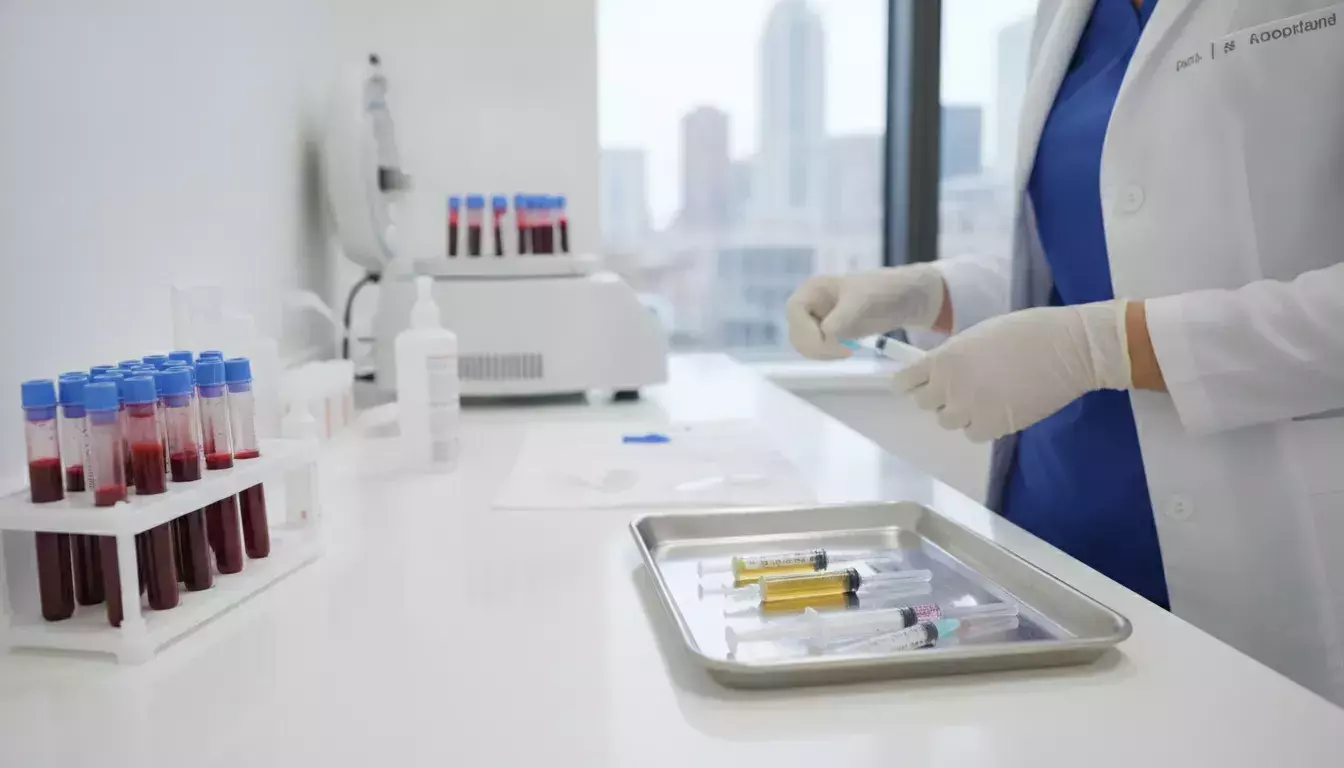
PRP therapy autologous vs biologic comparisons help patients decide between using their own blood or screened donor tissue for joint repair. Platelet-rich plasma (PRP) uses signaling proteins called growth factors to trigger natural healing and control swelling in damaged joints. Autologous PRP involves a same-day blood draw, while biologic options use umbilical or amniotic tissue rich in young growth factors. Both methods aim to reduce pain and improve joint function without surgery or long rest times. Research from Nowak Orthopedics shows that these treatments can provide real relief for mild knee joint pain compared to common steroid shots. Choosing the right source depends on your age, health goals, and desired strength. Preferred Regen ATL offers both autologous and biologic PRP to provide a custom path toward better movement and long-term joint health.
The decision between autologous and biologic PRP comes down to several factors that our clinical team evaluates during your consultation. In the sections below, we walk through how each option works, who benefits most, and what your treatment experience looks like from start to finish.
PRP Therapy Autologous vs Biologic: What Is PRP Therapy and How Does It Work?
Platelet-rich plasma therapy is a medical treatment that uses a concentrated preparation of platelets to support the body's natural tissue repair mechanisms. This therapy delivers signaling proteins, known as growth factors, directly to a specific site of injury or joint damage. It is a non-surgical, outpatient procedure designed to harness the body's own healing response to manage pain and improve joint function.
How platelets stimulate repair
Platelets are small blood cells best known for their role in clotting, but they also play a central role in tissue regeneration. When concentrated, they release bioactive proteins such as platelet-derived growth factor and vascular endothelial growth factor. These compounds signal the body to increase blood flow and deliver nutrients to the injured area. Reducing inflammation and supporting the formation of healthy new tissue in joints and tendons.
This approach does not introduce foreign cells into the body. Instead, it amplifies the signaling molecules already present in your own blood or in carefully screened biologic products. By concentrating these natural signals at the precise location of pain, the therapy can reduce discomfort and support improved mobility in patients with mild to moderate joint damage.
Clinical applications for joint pain
Physicians commonly recommend PRP therapy for patients with persistent joint pain that has not responded adequately to rest or physical therapy. It is particularly well-studied for knee osteoarthritis, where the goal is to reduce pain and slow the progression of cartilage deterioration. According to clinical research on knee osteoarthritis, PRP has demonstrated superior pain relief compared to hyaluronic acid injections over a six-month period.
Treatment outcomes depend on the nature of the injury, the patient's overall health, and the type of PRP selected. Preferred Regen ATL offers PRP therapy using both autologous and biologic preparations to create a personalized treatment plan. Because it is an outpatient procedure, most patients return home the same day with minimal downtime.
What Is Autologous PRP Therapy?
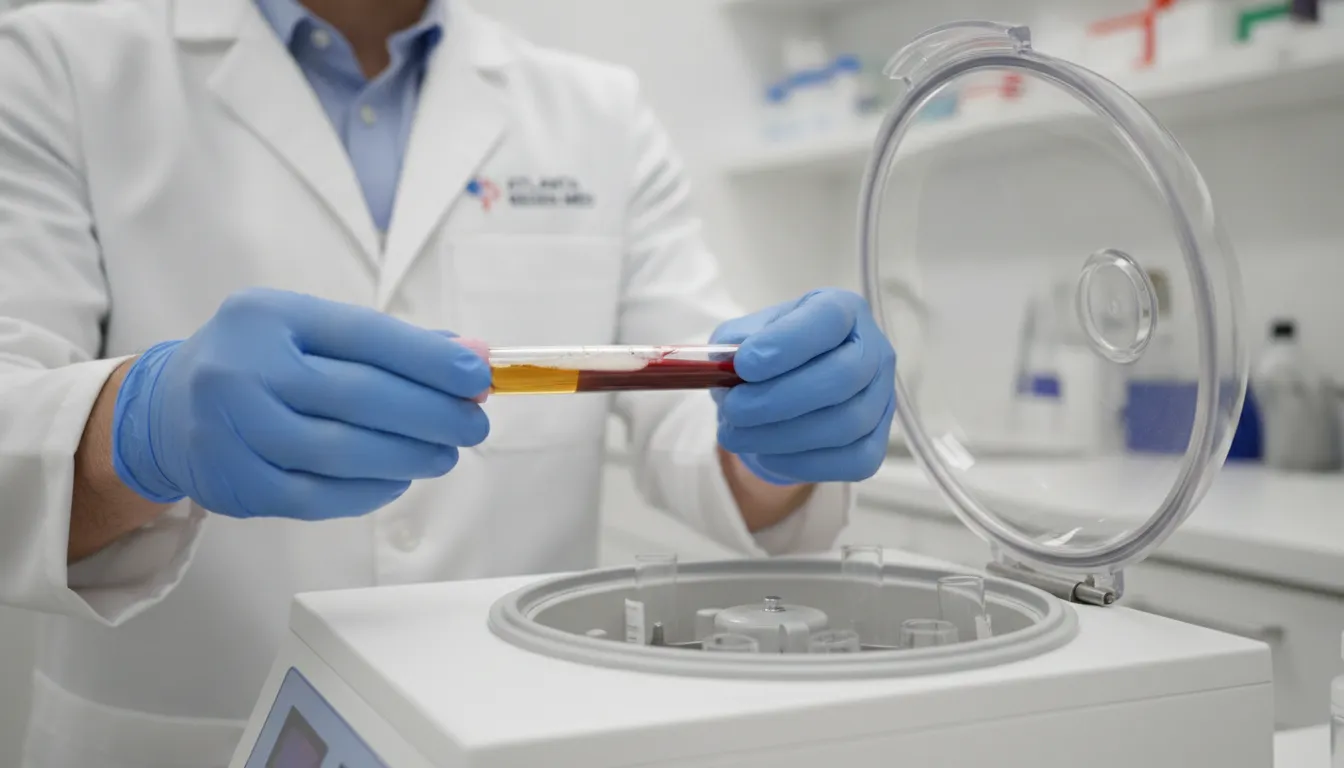
Autologous PRP therapy uses the patient's own blood as the source material for the treatment. The process begins with a standard blood draw, followed by centrifugation to concentrate the platelets, and concludes with a targeted injection into the affected joint. Because the biologic material comes from your own body, the risk of immune rejection is effectively eliminated.
The collection and preparation process
The procedure starts with a blood draw at the clinic, similar to a routine laboratory test. A small volume of blood is collected and transferred to a centrifuge, where it spins at high speed for approximately 15 to 20 minutes. This process separates platelet-rich plasma from other blood components, yielding a concentrated solution of growth factors.
Once the plasma is prepared, the provider uses imaging guidance, such as ultrasound, to deliver the injection precisely to the damaged tissue. The entire appointment typically takes less than one hour.
Benefits of autologous treatment
The primary advantage of autologous PRP is its safety profile. Because the injected material originates from your own body, there is no risk of disease transmission or immune-mediated reaction. This makes it a low-risk option for patients who prefer to use their own biological material.
Convenience is another significant benefit. The blood draw and injection occur during the same visit, with no need to wait for laboratory processing or donor tissue shipment. This same-day workflow allows patients to begin the healing process immediately.
Using your own biologic material also means the treatment is inherently natural. It works by amplifying your body's existing repair mechanisms. It is important to note that while the FDA has not approved PRP specifically for joint repair, the agency provides an FDA consumer alert to help patients make informed decisions about regenerative medicine options.
Factors that influence success
The effectiveness of autologous PRP varies from patient to patient. Platelet quality and concentration decline with age, meaning younger patients often have more robust growth factor activity. Systemic health factors such as smoking, poor nutrition, and certain medical conditions can also reduce platelet function and treatment response.
For patients whose platelet quality is suboptimal, biologic PRP options may offer a more reliable alternative. These products provide consistent, high concentrations of growth factors regardless of the patient's age or health status.
What Are Biologic PRP Options?
Biologic PRP options use umbilical and amniotic-derived tissues to provide a potent source of growth factors for joint repair. These products offer a consistent and predictable concentration of signaling proteins, making them particularly suitable for older patients or those with compromised healing capacity.
How biologic products are sourced
The tissues used in biologic PRP preparations are ethically collected from healthy, full-term cesarean section deliveries. Each donor undergoes rigorous screening to ensure safety and purity. These tissues, which would otherwise be discarded after birth, contain high concentrations of youthful growth factors and signaling molecules.
The FDA monitors these products to help ensure they meet safety standards for clinical use.
Advantages of potent growth factors
Biologic PRP products contain growth factors that are typically more potent than those found in adult blood. As the body ages, platelet activity naturally declines, which can reduce the effectiveness of autologous PRP. Biologic options bypass this limitation by delivering growth factors derived from younger, healthier tissue. This consistency makes them a strong choice for patients over 40 or those with chronic health conditions that impair natural healing.
Convenience and availability
Unlike autologous PRP, biologic options do not require a blood draw or centrifugation during your visit. The products arrive at the clinic pre-screened and ready for administration, reducing both procedure time and the number of needle sticks. Preferred Regen ATL offers both umbilical and amniotic-derived biologic options to match each patient's clinical needs.
Autologous vs. Biologic PRP: Key Differences
The choice between autologous and biologic PRP depends on your specific health profile, treatment goals, and preferences. The table below summarizes the main differences to help guide your discussion with our clinical team.
| Factor | Autologous PRP | Biologic PRP |
|---|---|---|
| Source Material | Your own blood | Screened donor tissue (umbilical or amniotic) |
| Preparation Time | Blood draw + 15-20 min centrifugation | Pre-prepared, ready at time of visit |
| Growth Factor Potency | Varies by age and health status | Consistently high, donor-independent |
| Immune Risk | Minimal (autologous, no foreign material) | Low (screened, processed tissue) |
| Best Candidate | Younger, healthy patients seeking same-day treatment | Older adults or patients needing maximum potency |
When to choose autologous PRP
Autologous PRP is an excellent first option for patients who want to use their own biologic material. Because the cells come from your own body, there is virtually no risk of rejection or allergic reaction. This method works well for patients who can spare the additional 20 minutes needed for blood processing and prefer a same-day, single-visit protocol.
However, because platelet quality declines with age and varies with overall health, not every patient is an ideal candidate. Research published through the National Institutes of Health confirms that platelet quality is a significant determinant of clinical outcomes in PRP therapy for joint pain.
When to consider biologic options
Biologic PRP is particularly well-suited for patients over 40, those with reduced healing capacity, or individuals who prefer to avoid the blood draw entirely. These products deliver a standardized, potent dose of growth factors that does not depend on the patient's own biology.
Research from the National Institutes of Health indicates that donor-derived biologic options provide a predictable and reproducible profile of growth factors. Which can be especially valuable for patients with advanced joint wear or those who have not responded to earlier treatments.
Which PRP Option Is Right for Your Joint Pain?
Selecting the right PRP approach requires a thorough evaluation of your joint condition, age, overall health, and personal treatment preferences. Our clinical team at Preferred Regen ATL will guide you through each consideration during your consultation.
Degree of joint damage
The extent of cartilage loss and joint degeneration plays a central role in treatment selection. Patients with mild to moderate knee osteoarthritis are often strong candidates for PRP therapy. For those with less advanced joint wear, autologous PRP may provide sufficient growth factor activity.
Patients with more significant joint deterioration may benefit from the higher potency of biologic PRP. According to the National Institutes of Health, PRP has been shown to provide superior pain relief for knee osteoarthritis compared to corticosteroid injections. However, individuals with advanced bone-on-bone changes may not be ideal candidates for any type of PRP therapy.
Age and overall health
Your age and general health directly influence how well your own platelets function. Autologous PRP is a strong choice for younger, healthy patients who want to use their own cells in a straightforward same-day process. For older adults or those with chronic conditions that affect healing, the consistent potency of biologic PRP offers a more dependable treatment option.
Your treatment goals
Whether your priority is avoiding a blood draw, maximizing growth factor concentration, or using only your own cells, your goals will help determine the best path forward. Our team reviews your medical history and imaging studies to recommend the approach most likely to help you return to an active lifestyle.
Contact Preferred Regen ATL today to schedule your PRP consultation and learn which biologic option is right for your recovery goals.
PRP Safety, Regulation, and What to Expect
PRP therapy is a well-established outpatient procedure with a strong safety record. At Preferred Regen ATL, every treatment is supervised by a medical doctor and preceded by a comprehensive health evaluation. Understanding the regulatory framework and what happens on treatment day helps patients arrive informed and confident.
FDA status and clinic safety standards
The FDA has not approved PRP or other regenerative biologics specifically for the treatment of joint pain and classifies these therapies as investigational for orthopedic applications. This means they continue to be studied for safety and effectiveness in musculoskeletal conditions. At Preferred Regen ATL, our medical director oversees all treatment protocols, and each patient receives a thorough pre-treatment evaluation to determine candidacy and the most appropriate approach.
Reputable clinics are transparent about their sourcing, risks, and expected outcomes. Patients who encounter clinics making unrealistic claims should report concerns to the FDA MedWatch program.
What your treatment day looks like
Most PRP appointments take approximately 30 minutes and are performed in-office with no hospital stay required. Whether you choose autologous or biologic PRP, the injection is guided by imaging to ensure precise placement at the treatment site. Patients typically experience mild pressure during the injection, and the procedure is well-tolerated.
- Initial consultation. Discuss your pain history, treatment goals, and any prior therapies with your provider.
- Health evaluation. Review medical records and imaging to confirm PRP candidacy.
- Treatment selection. Choose between autologous PRP (your blood) or biologic PRP (donor-derived) based on your health profile.
- Injection procedure. A guided 30-minute treatment delivers PRP to the target joint.
- Recovery period. Avoid high-impact activity for 4-6 weeks while growth factors support tissue repair.
- Follow-up visits. Monitor progress and adjust the plan as needed to achieve your goals.
Recovery and expected timeline
During the first 4 to 6 weeks after treatment, patients should avoid high-impact activities such as running or heavy lifting. Light daily movement is encouraged to maintain joint mobility without stressing the treated area. Most patients begin noticing reduced pain around week 3 or 4, with continued improvement over the following months. The full therapeutic effect typically develops between 6 and 12 months after the procedure, providing gradual but lasting relief.
Learn more about PRP therapy at Preferred Regen ATL or call our Atlanta clinic at 404-888-0666 to speak with our team.
Frequently Asked Questions
Does PRP therapy for joint pain hurt?
Most patients report only mild discomfort during the injection. Our team uses local numbing techniques to minimize any sensation, and the procedure is generally well-tolerated. Any post-injection soreness typically resolves within one to two days.
Can I drive myself home after a PRP injection?
Yes, most patients can drive themselves home after the procedure. Because PRP is an outpatient treatment performed without general anesthesia, there are no restrictions that would prevent driving for the majority of individuals.
How many PRP treatments will I need?
The number of treatments depends on the severity of your condition and your response to the initial injection. Many patients experience meaningful improvement after a single treatment, while others may benefit from a series of two to three injections spaced several weeks apart.
Is PRP therapy covered by insurance?
PRP therapy is generally not covered by health insurance for joint pain because the FDA classifies it as investigational for this use. Preferred Regen ATL offers transparent pricing and payment options, which our team will discuss with you during your consultation.
What is the difference between autologous and biologic PRP?
Autologous PRP uses your own blood, processed the same day to concentrate platelets and growth factors. Biologic PRP uses screened donor tissue, typically from umbilical or amniotic sources, that provides a consistent and potent concentration of growth factors without requiring a blood draw. Both options are available at Preferred Regen ATL, and your provider will help you select the approach best suited to your needs.

Lindsay GoMega
Contact Me