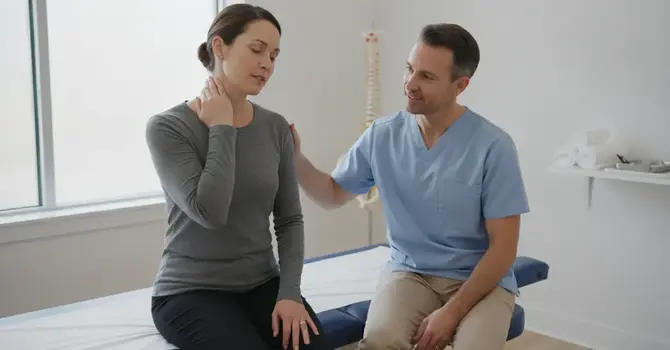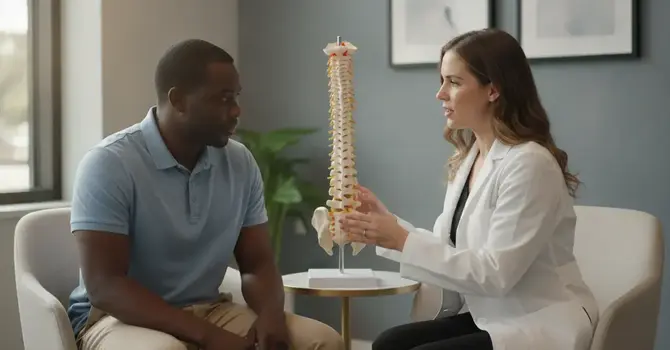
Sciatica is a classic example of how a problem in one area can cause chaos somewhere else. The pain you feel shooting down your leg actually starts with an issue in your lower back or pelvis. This is why a one-size-fits-all approach rarely works. A skilled chiropractor for sciatica understands that your body is an interconnected system. They look beyond the leg pain to assess your spinal alignment, pelvic balance, and muscle tension to find the true source of the nerve irritation. This holistic perspective allows for a comprehensive treatment plan that might include spinal adjustments, non-surgical decompression, and therapeutic stretching to address every contributing factor and help you achieve lasting relief.
Key Takeaways
- Focus on the source of the pain: True sciatica relief comes from correcting the root cause, such as a herniated disc or spinal misalignment. Chiropractic care identifies and addresses the specific structural issue compressing your sciatic nerve, rather than just masking symptoms.
- Expect a comprehensive treatment plan: Effective care for sciatica is more than just a single adjustment. It often involves a personalized combination of techniques, like non-surgical spinal decompression and stretch therapy, to fully address your pain.
- Understand that healing is a process: Chiropractic care works with your body to achieve lasting relief, which takes time and consistency. Finding a qualified provider to create and guide your personalized plan is the first step toward a life without sciatic pain.
What Is Sciatica (And Why Does It Hurt So Much)?
If you’ve ever felt a sharp, shooting pain that starts in your lower back and travels down your leg, you may have experienced sciatica. Sciatica refers to the pain that radiates along the path of the sciatic nerve, which is the longest and thickest nerve in your body. It branches from your lower back, through your hips and buttocks, and down each leg.
When something irritates or compresses this nerve, the result is sciatica. It’s not a diagnosis in itself but rather a symptom of an underlying problem. Think of it as a check engine light for your lower back and legs. The pain can be a dull ache, a sharp jolt, or a burning sensation, making simple things like sitting or walking feel unbearable. Understanding what’s causing this nerve irritation is the first step toward finding lasting relief.
Understanding the Common Causes
So, what's actually causing that frustrating pain? Sciatica almost always stems from the sciatic nerve being pinched or compressed. The most frequent cause is a herniated or slipped disc in your spine, where one of the soft cushions between your vertebrae bulges out and presses on the nerve root. Other common culprits include bone spurs on the spine or spinal stenosis, which is a narrowing of the spinal canal. Sometimes, the issue isn't in the spine at all but in tight muscles, like the piriformis muscle in your buttocks. Identifying the specific cause is crucial, which is why a thorough evaluation, sometimes including digital x-rays, is so important for creating an effective treatment plan.
Recognizing the Symptoms
Sciatica symptoms are hard to ignore and typically affect only one side of the body. The classic sign is pain that radiates from your lower back, through your buttock, and down the back of your leg. This pain can vary widely, from a mild ache to a sharp, burning sensation or even an electric shock-like jolt. You might also experience numbness, tingling, or muscle weakness in the affected leg or foot. Many people find the pain gets worse when they sit for a long time, cough, or sneeze. For some, the pain is so severe it makes standing up or walking difficult. If these symptoms sound familiar, it's a clear signal that your body needs attention and care.
How Chiropractic Care Brings Sciatica Relief
If you’re dealing with the shooting pain of sciatica, you know it can completely disrupt your life. It’s more than just a backache; it’s a persistent, radiating pain that can make sitting, standing, and even sleeping feel impossible. While it’s tempting to reach for a pain reliever and hope for the best, that approach only masks the symptoms. True, lasting relief comes from addressing what’s causing the pain in the first place. This is where chiropractic care shines.
Instead of just covering up the pain, a chiropractor works to find and fix the underlying issue. The entire philosophy of chiropractic care is centered on helping your body heal itself by restoring proper function and alignment to your musculoskeletal system, especially your spine. For sciatica, this means identifying why the sciatic nerve is being compressed and using targeted techniques to relieve that pressure. It’s a hands-on, non-invasive approach that aims to correct the structural problem. This allows your body to recover naturally and helps you get back to your life without relying on medication or more invasive procedures that come with longer recovery times and potential side effects. It's about creating a long-term solution, not just a temporary fix.
Easing Pressure on the Sciatic Nerve
Think of your sciatic nerve like a garden hose. When everything is aligned, nerve signals flow freely, just like water through an open hose. But if a spinal disc bulges or a vertebra shifts out of place, it can press on that nerve, creating a "kink" that causes pain, numbness, and tingling down your leg. A chiropractor uses precise spinal adjustments to gently shift your vertebrae back into their proper position.
This realignment takes direct pressure off the sciatic nerve, which is often the key to immediate and significant pain reduction. In addition to adjustments, we may use treatments like non-surgical spinal decompression to create space in the spine, giving the nerve root more room and promoting healing.
Addressing the Root Cause of Pain
Pain is your body’s alarm system, signaling that something is wrong. While pain medication can silence the alarm, it doesn’t put out the fire. Chiropractic care focuses on finding the source of the fire. Is a herniated disc the culprit? Or perhaps it’s spinal stenosis or a misalignment in your pelvis? The type of therapy that will work best for you depends entirely on the cause of your sciatica.
To get to the bottom of it, we use a thorough diagnostic process, which may include digital X-rays, to pinpoint the exact structural issue. From there, we create a personalized treatment plan. By focusing on the root cause, we not only relieve your current symptoms but also help prevent the problem from returning.
Proven Chiropractic Techniques for Sciatica
When you're dealing with sciatica, the goal is to find real, lasting relief, not just a temporary fix. That’s where chiropractic care shines. Instead of only masking the pain with medication, a chiropractor focuses on the underlying issue causing the nerve irritation in the first place. By using a combination of targeted techniques, we can address the structural problems in your spine and pelvis that are putting pressure on your sciatic nerve. This approach is all about restoring your body’s natural alignment and function so you can move freely again.
Your chiropractor will create a personalized plan that may include several proven methods, because no two cases of sciatica are exactly alike. What works for one person might not be the right fit for another. These techniques work together to reduce inflammation, release tight muscle tension, and create more space for the nerve to function without interference. It’s a hands-on, non-invasive strategy designed to help your body heal itself and get you back to living without that nagging, radiating pain. We'll explore some of the most effective techniques we use to bring our patients relief.
Spinal Adjustments
One of the core techniques a chiropractor uses is the spinal adjustment. Think of it as a highly specific and gentle maneuver designed to restore proper motion and alignment to the vertebrae in your lower back. When your spine is out of alignment, it can put direct pressure on the sciatic nerve root, which is the source of all that trouble. By carefully adjusting these joints, a chiropractor can ease that pressure.
This process helps reduce nerve irritation and inflammation, allowing your body to begin healing. The focus is on correcting the mechanical problem causing your pain, not just covering up the symptoms. By improving your spinal alignment, we can help you find lasting relief and prevent future flare-ups. Many people find that consistent sports injury care and adjustments are key to managing sciatica effectively.
Non-Surgical Spinal Decompression
If your sciatica is caused by a bulging or herniated disc, non-surgical spinal decompression can be a game-changer. This therapy involves lying on a specialized table that gently and slowly stretches your spine. This stretching creates a negative pressure within the discs, which can help retract the bulging material that’s pressing on your sciatic nerve. It’s a bit like creating a vacuum effect to pull the disc back into place.
This process is incredibly gentle and relaxing; many patients even fall asleep during treatment. By creating more space between your vertebrae, non-surgical spinal decompression not only relieves pressure on the nerve but also helps draw water, oxygen, and nutrients into the disc to promote healing. It’s a powerful, non-invasive way to address disc-related sciatica at its source.
Pelvic Adjustments
Your spine doesn’t exist in isolation. It sits on top of your pelvis, and if your pelvis is tilted or misaligned, it can throw your entire lower back out of whack. This imbalance can lead to muscle tension and put uneven pressure on the joints and nerves in the area, including the sciatic nerve. Pelvic adjustments are designed to correct this imbalance and restore proper alignment to the sacroiliac joints, which connect your spine to your pelvis.
By ensuring your pelvis is balanced, a chiropractor can reduce strain on your lower back and take pressure off the sciatic nerve. We often use tools like digital X-rays to get a clear picture of your pelvic alignment and tailor the adjustment specifically to your body’s needs.
Trigger Point Therapy
Sometimes, the source of sciatic pain isn't the spine itself but a tight, angry muscle. The piriformis muscle, located deep in your buttock, is a common culprit. The sciatic nerve runs directly underneath or, in some people, right through it. When the piriformis becomes tight or develops knots, known as trigger points, it can clamp down on the nerve, causing a condition called piriformis syndrome, which feels identical to sciatica.
Trigger point therapy involves applying sustained pressure to these knots to encourage them to release. This helps relax the muscle, reduce inflammation, and free the trapped sciatic nerve. As part of a comprehensive plan, this type of therapeutic bodywork can provide significant relief by directly addressing the muscular component of your pain.
Stretch Therapy and Therapeutic Bodywork
A chiropractor’s job doesn’t end when you get off the adjustment table. A huge part of your recovery involves empowering you with the tools to support your healing at home and prevent the pain from coming back. This is where targeted stretching and therapeutic exercises come in. Your chiropractor will teach you specific movements designed to improve flexibility, strengthen your core and back muscles, and maintain proper posture.
Consistent stretch therapy can help release chronic muscle tension in your hamstrings, glutes, and lower back, all of which can contribute to sciatic nerve irritation. By incorporating these simple exercises into your daily routine, you play an active role in your recovery, helping to stabilize your spine and reduce the likelihood of future sciatica flare-ups.
The Effectiveness of Chiropractic Care for Sciatica
When you’re dealing with the intense, radiating pain of sciatica, you want a solution that doesn’t just work, but also aligns with your long-term health goals. Many people are looking for options beyond medication or invasive procedures, and that’s where chiropractic care comes in. It’s a well-established approach focused on addressing the structural source of your pain, offering a path to lasting relief by helping your body heal itself. Let's look at what the evidence says and the benefits of this hands-on approach.
What the Research Shows
Chiropractic care is a popular and safe option for managing sciatica, especially for those who want to avoid daily pain medication. The goal of a chiropractor is to find and fix the root cause of your pain, not just cover up the symptoms. By improving your spinal alignment, a chiropractor can reduce the pressure on the sciatic nerve that’s causing all your trouble. While research has historically been mixed, more recent studies are highlighting its benefits. For example, some findings show that patients who received chiropractic care and adjustments had better outcomes and fewer side effects compared to those who only used pain medicine.
The Benefits of a Non-Invasive Approach
One of the biggest advantages of chiropractic care is that it’s a non-invasive and drug-free way to manage sciatica. Instead of relying on pills that mask the pain temporarily, this approach focuses on correcting the underlying mechanical issue. This strategy aims for long-term relief by restoring proper function to your spine and pelvis. Many people prefer this method because it works with the body’s natural ability to heal. By combining spinal adjustments with other treatments like stretch therapy, your care plan can be tailored to your specific needs, helping you get back to your life without the limitations of pain.
Sciatica Treatment Myths vs. Facts
When you're dealing with the intense, radiating pain of sciatica, you’ll look for any solution that promises relief. But with so much information floating around, it can be hard to separate fact from fiction, especially when it comes to chiropractic care. Misconceptions can unfortunately keep people from finding treatments that could genuinely help them. Let's clear the air and tackle some of the most common myths about using a chiropractor for sciatica so you can feel confident in your next steps toward a pain-free life.
Myth: Chiropractic Adjustments Are Risky
The thought of having your spine adjusted can sound a little intense, which is likely where this myth gets its power. However, the reality is that chiropractic adjustments are generally safe when performed by a licensed professional. While any medical treatment has some level of risk, research shows that serious complications from spinal manipulation are very rare. A trained chiropractor has years of education focused on the musculoskeletal system and knows how to perform precise, gentle adjustments. They use controlled techniques designed to relieve pressure and restore alignment, not to cause harm. Choosing a qualified practitioner is key to ensuring your treatment is both safe and effective.
Myth: Relief Is Instant After One Visit
We all wish for a magic wand to wave away pain, so it’s understandable why people hope for a complete fix after just one appointment. The truth is, chiropractic care does not promise instant results, but most patients experience gradual and meaningful improvements in pain, flexibility, and daily function. Think of it like starting a new fitness routine; you don't see a total transformation after one workout. Sciatica often develops from underlying issues that have built up over time, and it takes a consistent approach to correct them. Your care plan is designed to create lasting change, not just a temporary patch, which means healing is a process.
Myth: Chiropractic Care Is Only for Back Pain
This is one of the most persistent myths out there. While chiropractic care is highly effective for back pain, it also addresses a variety of conditions such as headaches, neck pain, joint issues, and of course, sciatica. The spine is the central highway for your nervous system, and a problem in one area can create symptoms elsewhere. Sciatica is a perfect example, as the pain you feel in your leg originates from nerve compression in your lower back. A chiropractor looks at the body as a whole, addressing the root cause of your pain, whether it’s a misaligned vertebra, a tilted pelvis, or muscular tension.
Your Journey to Relief: What to Expect
Deciding to seek help for sciatica is a huge step, and it’s natural to wonder what comes next. The path to relief is a partnership between you and your care team. It starts with understanding your unique situation and builds toward a customized plan designed to get you moving comfortably again. From your first visit to your ongoing care, the focus is always on identifying the root cause of your pain and providing effective, non-invasive treatments to help you heal. Let's walk through what you can expect when you begin your journey with us.
Signs It's Time to Schedule a Visit
It can be tough to know when to wait out the pain and when to seek professional help. If you’re experiencing persistent lower back pain that travels down your leg, it’s a clear sign to schedule a visit. You should also pay attention to numbness or tingling in your leg or foot, as this can indicate nerve compression. If your pain gets worse after sitting or standing for a while, or if it’s starting to limit your daily activities, don’t ignore it. These symptoms are your body’s way of telling you that it needs support. Addressing the issue early can prevent further complications and help you find relief from sports injury-related pain or chronic discomfort sooner.
Your First Chiropractic Appointment
Your first visit is all about getting to know you and the source of your pain. We’ll start by having a detailed conversation about your symptoms, your health history, and how sciatica is affecting your life. This is followed by a thorough physical examination to pinpoint the cause of the nerve irritation. In some cases, we may use advanced diagnostic tools like digital X-rays to get a clearer picture of your spinal alignment and rule out other issues. Once we have a complete understanding of your condition, we can begin creating a personalized treatment plan tailored specifically to your needs and goals.
Developing Your Personalized Care Plan
Your treatment plan will be as unique as you are. We use a variety of techniques to address the root cause of your sciatica, not just the symptoms. Your plan may include gentle spinal adjustments to relieve pressure on the sciatic nerve and restore proper alignment. We might also incorporate non-surgical spinal decompression to create space for the nerve to heal. To support your recovery, we often recommend therapeutic bodywork, such as stretch therapy, to release muscle tension and improve flexibility. Our holistic approach means we also provide lifestyle recommendations to help you manage your symptoms and prevent future flare-ups, empowering you to take an active role in your healing.
How to Choose the Right Chiropractor in Atlanta
Finding the right partner for your health journey is the most important step you can take. When you’re dealing with sciatica, you want a team that not only understands your pain but also has the right tools and approach to help you heal. As you search for a chiropractor in Atlanta, keeping a few key things in mind will help you find the perfect fit for your needs and get you on the path to lasting relief.
Look for Specialized Experience
When you’re looking for sciatica relief, you don’t want a generalist. You want an expert. Experience is a critical factor, and a chiropractor with extensive experience treating sciatica patients is much more likely to address your specific needs effectively. Look for a clinic that frequently works with patients suffering from nerve pain, disc issues, and sports-related injuries. A team that has a proven track record in treating sciatic nerve pain will have a deeper understanding of the condition’s complexities and how to create a successful treatment plan for you. This kind of focused sports injury care experience ensures you’re in capable hands.
Ensure a Wide Range of Treatment Options
Sciatica can stem from several different underlying issues, so your treatment shouldn’t be a one-size-fits-all solution. The best chiropractors use various techniques to address the root causes of sciatic nerve pain. A clinic that offers a comprehensive suite of services is better equipped to tailor a plan to your body. Beyond standard spinal adjustments, look for advanced therapies like non-surgical spinal decompression, which gently relieves pressure on the nerve. Integrated services like therapeutic bodywork and stretch therapy can also play a huge role in your recovery by improving flexibility and reducing muscle tension that contributes to your pain.
Prioritize Personalized Care
The entire purpose of chiropractic treatment is to support your body's incredible potential to heal itself. Because of this, the type of therapy you receive should always depend on the specific cause of your sciatica. A thorough initial assessment is non-negotiable. Your first visit should involve a detailed conversation about your symptoms, a physical examination, and potentially diagnostic imaging to get a clear picture of what’s happening. A clinic that uses tools like digital x-rays can pinpoint the source of the problem, allowing them to create a truly personalized care plan instead of just guessing. This commitment to customized care is what separates good from great.
Ask About Insurance and Costs
Let’s be practical: you need to know what to expect financially. Before committing to a treatment plan, have an open conversation about costs, payment options, and insurance coverage. A transparent and professional clinic will be happy to discuss this with you upfront. They should be able to verify your insurance benefits and give you a clear estimate of any out-of-pocket expenses. Don’t be shy about asking these questions. Finding a team that is straightforward about the financial aspect of your care helps build trust and ensures there are no surprises down the road, letting you focus completely on your recovery.
Start Your Path to Sciatica Relief Today
If sciatica pain is keeping you from living your life, taking that first step toward professional care can make all the difference. Many people prefer chiropractic treatment because it offers a path to manage long-term pain without relying on daily medication. It’s a hands-on approach that focuses on treating your entire body, not just the area that hurts. The goal is to support your body’s incredible ability to heal itself by addressing the root cause of your sciatic nerve pain, not just masking the symptoms.
When you visit a chiropractor, they will develop a personalized care plan just for you. This process often starts with a thorough evaluation, which may include digital X-rays to get a clear picture of what’s happening. Your treatment plan could involve a combination of techniques, such as gentle spinal adjustments, non-surgical spinal decompression to ease pressure on the nerve, targeted stretching, and specific exercises you can do at home. This comprehensive strategy ensures that every aspect of your condition is addressed.
While many patients report feeling better after just a few visits, your recovery timeline will depend on your specific situation. The most important thing is to get started. By consulting with a chiropractic professional, you can finally get the answers and the care you need to move toward lasting relief from sciatica.
Related Articles
- 7 Surprising Benefits of Routine Chiropractic Visits | Preferred Regen ATL
- A Guide to Back Pain Treatment Without Surgery in Atlanta | Preferred Regen ATL
- The Guide to Chiropractic Pain Relief in Atlanta | Preferred Regen ATL
- What to Expect: Corrective Chiropractic at Preferred Regen ATL | Preferred Regen ATL
- Comprehensive Prenatal, Perinatal & Postnatal Support
Frequently Asked Questions
How long does it take for chiropractic care to help sciatica? This is a very common question, and the honest answer is that it varies for everyone. Since sciatica stems from underlying issues that often develop over time, healing is a process, not an event. Many people start to feel a noticeable reduction in pain and an improvement in their mobility within the first few weeks of consistent care. Your specific recovery timeline will depend on factors like the cause of your sciatica, how long you've had symptoms, and your overall health. The goal is to create lasting relief, which requires a steady, personalized approach.
Are chiropractic adjustments for sciatica painful? It's natural to feel a little nervous about adjustments, but they are designed to be gentle and precise. Most people do not find them painful. You might hear a popping sound, which is just the release of gas from the joint, similar to cracking your knuckles. Many patients actually experience a sense of relief immediately following an adjustment. Our priority is your comfort, and we use controlled movements to gently restore alignment and relieve pressure on the nerve, not to cause more pain.
How do I know if my leg pain is really sciatica? Sciatica has a very distinct signature: pain that radiates from your lower back or buttock down the back of your leg, often affecting just one side. You might also feel numbness, tingling, or weakness in that leg or foot. However, other conditions can cause similar symptoms. The only way to know for sure is to get a professional evaluation. A thorough examination, sometimes with the help of diagnostic imaging like X-rays, allows us to pinpoint the exact cause of your pain and confirm if it is truly sciatica.
Besides adjustments, what other treatments might be part of my care plan? A comprehensive approach is key to lasting relief, so your plan will likely include more than just spinal adjustments. Depending on the root cause of your sciatica, we may incorporate non-surgical spinal decompression to gently create space for a compressed nerve. We also often use therapeutic bodywork and guided stretch therapy to release tight muscles, like the piriformis, that can contribute to nerve irritation. This combination of therapies helps address your pain from all angles.
What can I do at home to support my recovery from sciatica? Taking an active role in your recovery is one of the best things you can do. We will guide you on specific stretches and gentle exercises designed to improve your flexibility and strengthen the core muscles that support your spine. Simple lifestyle changes, like paying attention to your posture when sitting and avoiding long periods of inactivity, can also make a huge difference. These at-home practices work together with your in-clinic treatments to speed up your healing and help prevent the pain from returning.