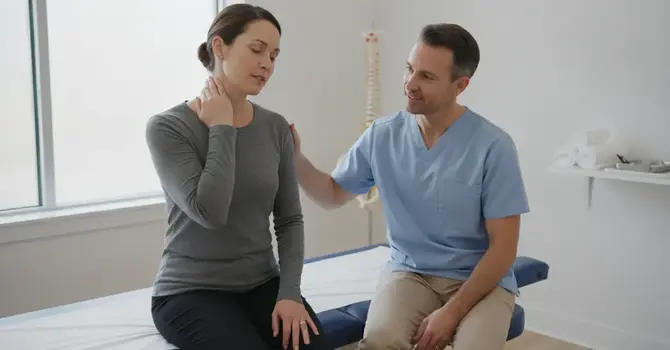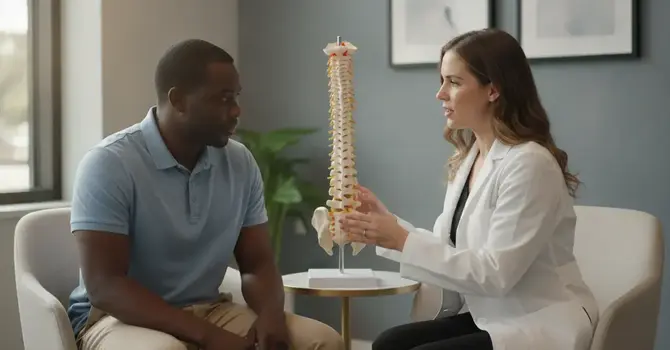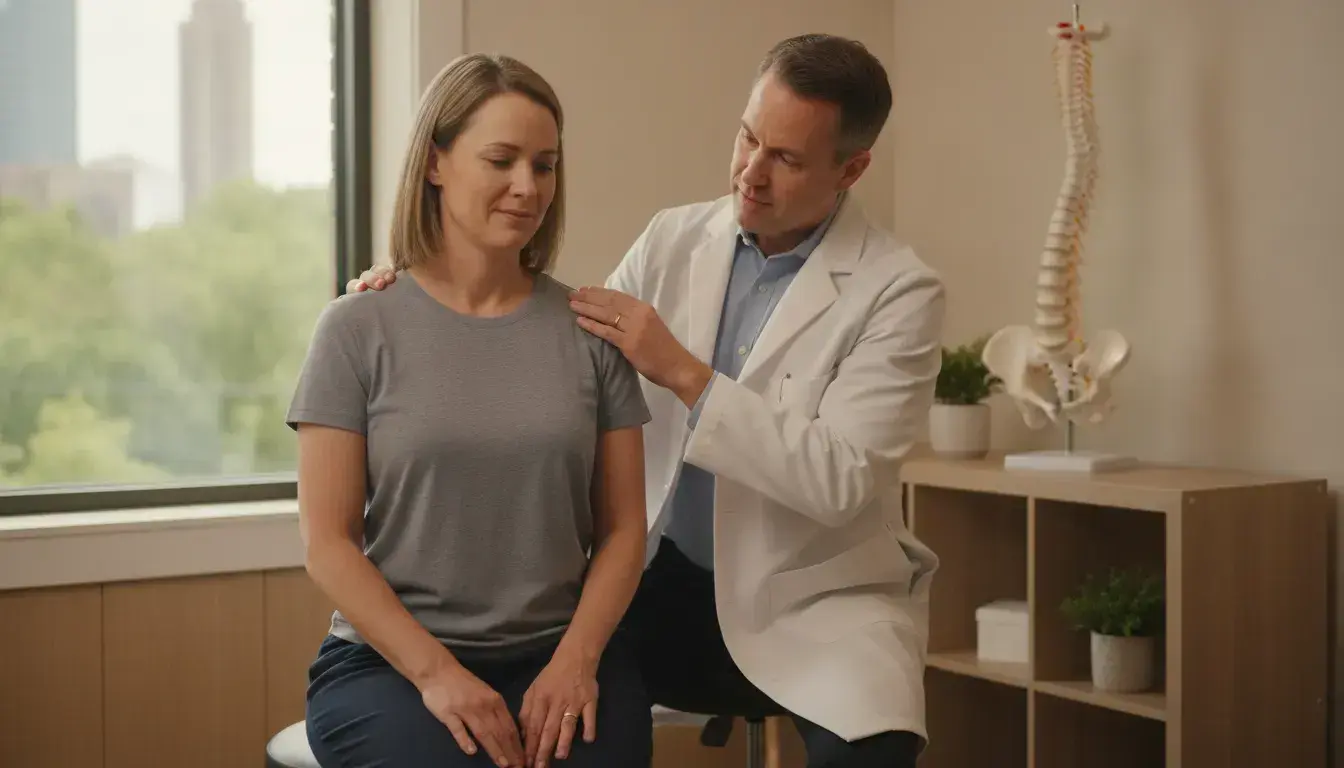
A rear-end collision can feel minor at first. The neck and upper back may be stressed before soreness fully develops.
A calm, timely evaluation can help clarify what happened and which next steps are appropriate.
For someone researching chiropractic care after a rear-end collision Atlanta, the process may include a history review, physical examination, safety screening, and imaging when indicated.
Conservative care can be considered based on the findings. Medical or emergency evaluation remains important for urgent or severe symptoms.
Call Preferred Regen ATL at 404-888-0666 to discuss an evaluation
Recovery is not identical for every person or every crash. Understanding how the sudden force may affect the neck, spine, shoulders, and surrounding tissues provides a useful starting point for making informed care decisions.
What a Rear-End Collision Can Strain
A rear-end collision can move the head and neck rapidly forward and backward before the rest of the body settles. This acceleration-deceleration motion is commonly associated with whiplash-associated disorder.
Whiplash-associated disorder describes neck symptoms that begin after an event such as a motor vehicle crash. Road traffic accidents are a common cause of whiplash. Neck discomfort alone does not identify the exact injury or the level of care someone may need.
Whiplash can involve both bone and soft tissue. Depending on the force, position of the body, and individual health history, a person may notice neck stiffness. Reduced range of motion, tenderness, or discomfort extending into the shoulders and upper back.
Headaches can also occur after a collision. Symptoms may appear immediately or become more noticeable as the initial stress response fades. Feeling relatively well at the scene does not necessarily explain what happens over the next several hours.
A collision can also raise concerns beyond routine muscle soreness. Dizziness, confusion, unusual drowsiness, worsening headache, vomiting, fainting, or other changes after a blow or sudden jolt should be evaluated promptly by a medical professional.
These symptoms can have different causes, including a possible concussion. They should not be self-diagnosed as ordinary whiplash.
Evaluation is useful because similar symptoms can arise from different structures. When imaging is clinically indicated, CT can create detailed images of bone and help show damage.
Other assessments may be needed for soft-tissue concerns. A careful history and examination help determine whether conservative chiropractic care after a rear-end collision in Atlanta is appropriate. Whether medical referral is needed, or whether both should be coordinated.
Research on whiplash-associated disorder and acceleration-deceleration injuries describes why a rear-end collision should be considered more than a simple impact to the bumper.
The safest next step depends on the person, the symptoms, and the findings, not on the crash description alone.
How Chiropractic Care After a Rear-End Collision Atlanta May Begin
An initial visit should clarify what happened, what you are experiencing, and whether chiropractic care is appropriate.
The evaluation is not a diagnosis by itself. It is a structured way to identify concerns, establish safety boundaries, and determine whether medical care or additional testing should come first.
- Discuss the collision and your symptoms. The clinician may ask how the rear-end impact occurred, when symptoms began, and whether they are changing. You may also discuss how symptoms affect daily activities. Preferred Regen ATL describes its accident-care visits as beginning with an examination and medical history review. Auto-accident injury care may be considered as part of an individualized plan. Mayo Clinic's whiplash guidance also emphasizes reviewing the event, symptoms, and everyday function.
- Complete a physical and functional examination. The exam may include gentle checks of neck and shoulder range of motion. It may also identify movements that increase discomfort. The clinician may assess tenderness around the neck, shoulders, and back. Reflexes, strength, and sensation in the limbs may also be checked. These findings help inform next steps, but they do not mean every symptom has the same cause.
- Screen for safety concerns. Before recommending hands-on care, the clinician should consider the patient's condition and possible contraindications. Techniques may need modification. Severe or worsening symptoms, concerning neurologic changes, or other urgent warning signs should be directed to emergency or medical evaluation. Referral boundaries are part of responsible care.
- Consider imaging when indicated. Imaging is not automatically required after every rear-end collision. When clinically appropriate, neck X-rays may help show fractures or other bony concerns. CT can provide detailed images of bone. MRI may show some soft-tissue concerns involving the spinal cord, disks, or ligaments. Preferred Regen ATL offers digital X-rays. The need for imaging depends on the examination and clinical judgment.
- Decide on the next appropriate level of care. Findings may support conservative chiropractic care, additional medical assessment, imaging, or referral. A treatment plan should be tailored to the individual. It should not be based only on the fact that a crash occurred. Ask what the examination found, what requires follow-up, and which symptoms should prompt a call or urgent evaluation.
These steps help keep care focused on safety and function. They also create a clearer basis for discussing treatment options without assuming that every rear-end collision requires the same approach.
What Conservative Care May Include
After an evaluation, conservative care may focus on reducing symptoms while gradually restoring comfortable movement and everyday function. The plan should reflect the person's findings, activity level, medical history, and response to care. There is no single protocol for every rear-end collision, and a treatment that is appropriate for one patient may need to be modified or avoided for another.
For some people, care may combine hands-on soft-tissue work, gentle mobilization, movement coaching, and a home exercise plan. Soft-tissue techniques may address areas of muscle tension or tenderness, while mobility work can be adjusted to stay within a tolerable range. A clinician may also teach simple stretching or movement exercises for home. These exercises should be selected and progressed based on the evaluation, rather than copied from a generic post-crash routine.
Active participation is often an important part of conservative care. A clinical practice guideline for neck pain describes multimodal care that may include manual therapy, self-management advice, and exercise. Another review found that exercise, active mobilization, and advice to remain active appeared to improve recovery. It could not establish which approach was best for everyone.
The evidence is not unlimited. A systematic review reported that research neither clearly supports nor refutes the effectiveness of individual passive or active treatments for some grades of whiplash-associated disorder. These limitations are a reason to monitor response and make thoughtful adjustments, not a reason to promise a particular result.
Rest can have a place when movement is especially uncomfortable. However, Mayo Clinic notes that a short period of rest may help after an injury, while too much bed rest may slow healing. Heat or cold may also help some people feel more comfortable, but home measures should follow individualized guidance, especially when symptoms are significant or changing. Patients considering chiropractic services in Atlanta can ask how screening, soft-tissue care, movement, and home exercises would be adapted to their specific findings.
Progressive care does not mean pushing through worsening symptoms. New weakness, increasing numbness, severe headache, or other concerning changes call for medical attention rather than simply advancing an exercise plan.
When Non-Surgical Decompression May Be Considered
| Care focus | How it may be used | What guides the decision |
|---|---|---|
| Conservative care | Movement, home exercises, and hands-on care may support function. | Symptoms, examination findings, and response to care. |
| Medical evaluation | Urgent or additional assessment may be needed for concerning symptoms. | Severity, neurologic changes, imaging needs, and clinical judgment. |
| Decompression screening | Computer-controlled traction may be considered for selected conditions. | Findings, overall condition, and candidacy, not the collision alone. |
Non-surgical spinal decompression is a form of computer-controlled traction. During a session, a specialized table or device applies carefully guided stretching to the spine. Preferred Regen ATL describes this approach as creating changes in spinal pressure and space that may support movement of disc fluid. This explanation describes the intended mechanism, not a promise that decompression will fix a disc or relieve symptoms.
After a rear-end collision, decompression is not an automatic next step. A clinician first needs to understand what happened, what symptoms are present, and how those symptoms affect movement and daily activities. Evaluation may include a physical examination, medical history review, and diagnostic imaging when needed. Those findings help distinguish a treatment option from a treatment recommendation.
The clinic describes spinal decompression as an option for some patients with chronic pain associated with bulging, degenerating, or herniated discs. That does not mean a collision automatically makes someone a candidate, or that a disc-related finding alone determines the best care. The relevance of the finding, the timing of symptoms, examination results, and overall health all matter. A recent neck strain or whiplash-related complaint may call for a different approach than a persistent condition involving the lower back.
If decompression is discussed, ask what finding supports considering it, what other conservative options are available, and how progress will be monitored. Treatment selection should remain individualized and may change as the clinical picture becomes clearer. You can learn more about non-surgical spinal decompression, then discuss whether it is appropriate during a professional evaluation in Atlanta.
How to Coordinate Chiropractic and Medical Care
Chiropractic care can be one part of a thoughtful recovery plan after a rear-end collision. But it should not be treated as a substitute for emergency evaluation or medical care. If symptoms are severe, rapidly worsening, or feel urgent after a crash, seek emergency attention first. A chiropractor can then coordinate with your medical providers or refer you when your symptoms, examination findings, or history fall outside the appropriate scope of care.
That boundary matters because a rear-end collision can affect more than muscles and joints. Whiplash-associated disorder refers to neck symptoms triggered by an acceleration-deceleration event, and it may involve both soft tissue and bony structures. An evaluation should consider what happened, which symptoms appeared, and how those symptoms affect daily activities. The examination may include neck and shoulder movement, tenderness, reflexes, strength, and sensation.
When imaging or referral may be appropriate
Imaging is not automatically necessary for every collision. When clinically indicated, it may help rule out conditions that could be contributing to neck symptoms. Neck X-rays can show fractures and other structural issues. CT scans provide more detailed images of bone, while MRI may show certain soft-tissue injuries involving the spinal cord, disks, or ligaments. These choices belong within appropriate medical judgment and should be discussed with the clinician evaluating you. Sources: Mayo Clinic's whiplash evaluation guidance.
Medical coordination also includes communicating about medications or other treatments. Rather than changing medication use based on general online advice, ask the prescribing physician or another qualified medical professional about questions or concerns. Your chiropractic provider should also know about relevant diagnoses, imaging, restrictions, and changes in symptoms so care can be modified safely.
Preferred Regen ATL describes its auto-accident injury care as beginning with a physical examination, medical history review, and imaging when needed. That assessment-led approach helps keep chiropractic treatment personalized while leaving room for referral and collaboration when medical evaluation is needed.
Questions to Ask at an Atlanta Chiropractic Evaluation
A thoughtful evaluation should leave you with a clearer understanding of what the rear-end collision may have affected and what the next step involves. You can ask:
- What will you assess today? Ask whether the visit includes a review of the crash and symptoms, medical history, daily activities, neck and shoulder motion, tenderness, strength, sensation, and reflexes. These details help connect your symptoms with observable findings rather than assuming every rear-end collision needs the same care. Mayo Clinic's whiplash assessment overview describes several of these evaluation elements.
- Which findings will guide my care plan? Ask how the examination results affect the choice of movement, hands-on care, rehabilitation, or referral. A treatment plan should reflect the extent of the injury and your current function, not a fixed protocol.
- How should I move at home? Ask which gentle movements are appropriate, what activities to modify, and what symptoms should prompt you to stop and call. Home exercises may include stretching or movement, but the selection should follow your examination and progress.
- When would imaging or another medical evaluation be appropriate? Imaging is not automatic. Ask what concern would make digital X-rays, CT, or MRI useful, and when your provider would coordinate with or refer you to another clinician. Imaging can help evaluate bone or certain soft-tissue concerns when clinically indicated.
- Could non-surgical decompression be appropriate for me? Ask what finding supports that option and what would make it unsuitable. It is not a default treatment for whiplash. If relevant, review non-surgical spinal decompression as a possible, condition-dependent option.
- How will we monitor progress? Ask which changes in motion, symptoms, and everyday function will be tracked, and how the plan will be adjusted if findings change. Clear reassessment supports patient education and safer, individualized care.
Call Preferred Regen ATL at 404-888-0666 to discuss your next steps
Frequently Asked Questions
Can I see a chiropractor after a rear-end collision?
Yes, a chiropractic evaluation may be appropriate after a rear-end collision, especially when neck, back, or other musculoskeletal symptoms develop. The first visit should include a history, physical examination, and screening for issues that need medical or emergency care. Imaging may be considered when findings indicate it is needed. Preferred Regen ATL's auto-accident injury care begins with this assessment-based approach.
Should I see a doctor or a chiropractor after a car accident?
It is not always an either-or decision. Emergency symptoms, suspected serious injury, neurological changes, or concerns outside chiropractic scope require prompt medical evaluation. A chiropractor and medical clinician may coordinate care when both are appropriate. Share your crash history, symptoms, medications, and any imaging with each provider.
How long should I see a chiropractor after an accident?
There is no safe, universal number of visits. The duration should depend on examination findings, symptom changes, functional goals, and how you respond to care. A plan may be adjusted, progressed, or stopped when appropriate. Avoid treating an example timeline as a promise or assuming that every rear-end collision needs the same schedule.
When might non-surgical spinal decompression be considered?
Non-surgical spinal decompression is a selective option, not an automatic treatment for whiplash or every rear-end injury. After an evaluation, a clinician may consider it when the findings and condition suggest it is appropriate, including certain disc-related concerns. It uses a device or table to apply controlled spinal traction. Learn more about non-surgical spinal decompression.
Schedule an Atlanta Chiropractic Evaluation
An evaluation can help clarify what you are experiencing after a rear-end collision and whether conservative care may fit your needs. Care should be based on your history, examination, and any needed coordination with medical professionals. Call Preferred Regen ATL at 404-888-0666 to discuss an evaluation and possible next steps.

Lindsay GoMega
Contact Me