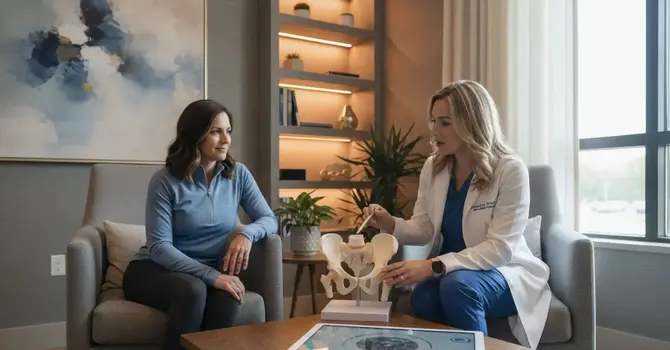
For an active Atlanta adult, a sports injury can disrupt far more than a weekend game. It can affect training, work, sleep, and the activities that make life feel balanced. When a tendon, ligament, or joint is slow to recover, the next step does not always have to be an immediate choice between ignoring the problem and scheduling surgery.
Understanding the injuries commonly treated is a useful place to begin. Preferred Regen ATL evaluates each case thoroughly before recommending a path forward.
What Sports Injuries Commonly Affect Active Atlanta Adults?
Sports injury recovery in Atlanta begins with a clinical evaluation, including imaging when appropriate, to identify the injured tissue and rule out options that may not fit. PRP may suit milder, focal concerns, while stem-cell and exosome protocols may be considered for more significant joint concerns.
Atlanta's active professionals often balance demanding careers with running, tennis, golf, strength training, cycling, and weekend sports. That combination can place repeated stress on tissues that do not always heal quickly on their own. Four patterns appear frequently in adults seeking a thoughtful, non-surgical path for sports injury recovery:
- Rotator cuff injuries , A group of four muscles and tendons that stabilize the shoulder. Repetitive overhead motion, a sudden load, or age-related wear can irritate or partially tear these tendons. Because tendons receive less direct blood flow than many muscles, recovery may be slow, especially when the shoulder continues the same movements during work, exercise, or sleep.
- Tennis and golfer's elbow , These conditions affect the tendons on the outside or inside of the elbow. Despite their names, either can develop from gripping, lifting, racquet sports, golf, weight training, or repeated computer and work activities. Small tendon injuries can be reloaded before they heal, creating a cycle of irritation.
- Knee meniscus tears , The meniscus is a crescent-shaped piece of cartilage that distributes force between the thighbone and shinbone. A pivot, deep squat, awkward landing, or gradual degeneration can produce a tear. Some areas of the meniscus have limited blood supply, which can restrict the body's ability to repair the tissue.
- Ankle sprains , An ankle sprain occurs when stabilizing ligaments are stretched or torn, commonly after a roll or misstep. A first sprain can change balance and movement patterns, and returning to sport too soon increases the chance of repeated injury.
Not every injury is a candidate for regenerative care, and the right next step begins with a careful evaluation. Preferred Regen ATL uses MRI and X-ray imaging to assess tissue involvement, joint space, instability, deformity, and the overall condition of the area. This process helps identify whether an active, performance-oriented adult in the 35-to-50 range is a reasonable candidate for a non-surgical biologics or PRP plan. Or whether another form of care is more appropriate.
Can PRP Therapy Speed Up Your Sports Injury Recovery?
Platelet-rich plasma (PRP) is a focused regenerative option for active Atlanta adults dealing with tendon irritation, ligament sprains, muscle strains, or early joint arthritis. In sports medicine, PRP is recognized as a potential treatment for musculoskeletal injuries, and results depend on the injury, overall health, and treatment plan.
What PRP can address
PRP is considered when an injury is relatively focal and the goal is to support healthier function without immediately moving to a more invasive option. Common applications include tennis elbow, Achilles tendon irritation, ligament sprains, selected muscle tears, and early osteoarthritis. It is not a universal solution for every injury. A clinical evaluation with diagnostic imaging helps determine whether PRP fits the affected tissue and the severity of the problem.
At Preferred Regen ATL, PRP may involve an autologous approach, meaning concentrated components are prepared from the patient's own blood. The practice also works with biologics, including umbilical- and amniotic-derived products, when a different regenerative protocol is more appropriate. A consultation clarifies which option is being considered and why.
What the appointment and recovery may look like
PRP is performed as an outpatient procedure. After the treatment area is assessed and prepared, the selected product is delivered to the target tissue, often with image guidance when clinically appropriate. The appointment is efficient, but the broader plan matters too. Activity modification, progressive rehabilitation, and follow-up all influence how you return to training.
Most patients should plan for minimal downtime rather than an extended surgical recovery. Temporary soreness for 24 to 48 hours can occur after an injection. Improvement is generally gradual over the following weeks, not an instant change in how the joint or tendon feels. Your provider explains when to resume specific workouts and how to increase activity without asking healing tissue to do too much too soon.
For a more detailed guide, review these PRP injection recovery expectations. Atlanta athletes can also learn more about the clinic's approach to PRP therapy in Atlanta. A consultation helps connect the treatment choice to your sport, symptoms, imaging, and return-to-activity goals.
How Do Stem Cells and Exosomes Help Atlanta Athletes Recover?
For an athlete dealing with a more significant joint concern. Umbilical cord-derived mesenchymal stem cells and exosomes offer a biologics-based option designed to support the body's own repair environment. These therapies are not intended to stop disease progression or reverse structural damage. The goal is to support joint function, manage inflammation, and help you pursue an active life with a treatment plan matched to your imaging, goals, and overall health.
How these biologics support recovery
Mesenchymal stem cells are specialized cells studied for their ability to influence the tissue environment around an injured joint. Exosomes are tiny cell-derived vesicles that carry signaling factors. Research suggests exosomes derived from mesenchymal stem cells or PRP may help muscle contractile function recover after a strain by modulating inflammation, fibrosis, and myogenesis. This finding comes from a small-animal model, so it should be viewed as early research rather than a guarantee of what any individual athlete will experience. The published study is available through PubMed.
Exosomes are also being investigated because of their small size, low immunogenicity, and practical potential in orthopedic care. Their role is still an active area of research, and a responsible consultation includes both what is known and what remains uncertain.
Why the protocol may combine stem cells and exosomes
Preferred Regen ATL commonly uses a combined stem cell and exosome protocol for significant joint concerns, rather than treating each biologic as an isolated solution. The combination addresses different parts of the local tissue environment while supporting joint function. Patient selection determines whether this approach is appropriate, and not every athlete is a candidate.
For Atlanta runners, golfers, tennis players, and active professionals, the decision follows a careful evaluation of the injury, joint condition, activity demands, and recovery priorities. Learn more in this stem cell therapy for athletes guide, and review how different regenerative treatments for athletic recovery can fit into a broader plan.
Planning for a gradual return to activity
Stem cell treatment is not a quick fix. Recovery is typically gradual over three to six months, with the timeline influenced by the joint involved. The extent of the concern, baseline health, and adherence to the recommended care plan. Your provider explains activity modifications, supportive therapies, and milestones for returning to training. This measured approach keeps sports injury recovery in Atlanta grounded in realistic expectations instead of promises.
PRP vs Stem Cells vs Exosomes: Which Approach Fits Your Injury?
Choosing a regenerative option is less about finding a universal winner and more about matching the protocol to the injury, the joint involved, and your recovery goals. An Atlanta runner with a focused tendon irritation may need a different plan than a recreational athlete managing moderate arthritis in a larger joint. Imaging and a clinical assessment determine which approach is appropriate.
| Treatment type | Best for | How it works | Typical recovery timeline | Ideal candidate |
|---|---|---|---|---|
| PRP | Milder, focal concerns such as tendon irritation, ligament sprains, and early joint changes. | Concentrated growth factors from blood-derived or biologic products support the body's repair response. | Minimal downtime; soreness may occur for 24 to 48 hours, with gradual improvement over the following weeks. | Someone with a localized injury who remains active but needs support for tissue recovery. |
| Stem cells | More significant concerns, including moderate arthritis affecting a larger joint such as the knee, shoulder, or hip. | Biologics modulate inflammation and support joint function and tissue quality. | Initial soreness followed by gradual changes over approximately 3 to 6 months. | A patient whose imaging and health history suggest a larger-joint biologic protocol. |
| Stem cells plus exosomes | Moderate joint concerns where a combined biologic approach may be considered. | Stem cells and exosomes work together; exosomes are cell-derived vesicles being studied for their role in inflammation and tissue-level recovery. | Gradual recovery with timing individualized to the injury and rehabilitation program. | A screened patient who may benefit from Preferred Regen's combined protocol for a larger or more involved joint. |
Research on exosomes derived from PRP or mesenchymal stem cells has examined their potential to support recovery after muscle strain. These findings are promising but do not guarantee a particular result for an individual patient. Review the research on exosomes and muscle injury recovery.
Conventional sports medicine remains an important alternative. For example, Emory Sports Medicine provides medical evaluations, rehabilitation, exercise counseling, injury prevention, and surgical care. A consultation clarifies whether regenerative care, physical therapy, surgery, or a coordinated combination makes sense for your injury and goals.
Is Regenerative Recovery Better Than Surgery for Your Injury?
The right recovery path is not determined by speed alone. It depends on the injury, the condition of the surrounding tissue, and your goals for returning to work, training, or competition. Regenerative care and surgery involve different recovery curves, so a thoughtful evaluation matters more than choosing the most aggressive option first.
How the timelines compare
PRP involves minimal downtime, with some soreness for 24 to 48 hours and gradual improvement over the following weeks. This timeline suits a milder, focal concern such as tendon or ligament irritation. Athletes still need to follow activity restrictions and rehabilitation guidance. You can learn more about what to expect in this PRP injection recovery timeline.
Stem cells and exosomes are used for different patient profiles and more significant joint concerns. Improvement is generally gradual over three to six months, with progress assessed along the way. Academic sports-medicine literature notes that PRP and mesenchymal stem cells have gained momentum as regenerative approaches for musculoskeletal injuries. While research on exosomes continues to examine how they may influence inflammation and muscle recovery. The academic review and study summary describe this evolving evidence and its limitations.
Surgery can be the most appropriate option for certain injuries, including cases involving major instability, structural damage, or a failed conservative approach. Recovery commonly ranges from four to twelve months, depending on the procedure and the athlete's rehabilitation plan. A surgical pathway may also involve general anesthesia, postoperative restrictions, and a longer period away from normal training. That does not make surgery a failure. It means the procedure should be matched carefully to the actual problem.
What return to sport really depends on
Return-to-sport timing varies with injury severity, age, overall health, baseline conditioning, and adherence to the integrated care plan. A treatment that looks quicker on paper may not be the safest choice if the tissue is not ready for load. Conversely, delaying needed surgery can create additional challenges. The goal is a durable return to activity, not simply the earliest possible workout.
During a consultation, Preferred Regen ATL's team helps patients understand where they fall on this spectrum. Imaging and clinical assessment clarify whether a regenerative option is reasonable to consider, whether rehabilitation should come first, or whether referral for surgical evaluation is warranted. This patient-specific conversation gives Atlanta athletes a clearer plan without promising an outcome that no treatment can guarantee.
Building Your Complete Recovery Plan at Preferred Regen ATL
For active Atlanta professionals, recovery is rarely just about one injection or one exercise. A shoulder, knee, or ankle injury affects how you move, work, train, and enjoy daily life. Preferred Regen ATL brings chiropractic care, therapeutic bodywork, and regenerative medicine together in one setting.
One team, multiple tools
The practice's integrated model combines chiropractic care with massage, stretch therapy, cupping, and Graston technique, a hands-on approach that addresses restricted soft tissue. When appropriate, the clinical team also discusses regenerative options such as PRP, stem cells, or exosomes. These biologics are selected based on the injury, imaging findings, overall health, and recovery goals.
Dr. Audra Moran, D.C., founded Preferred Regen ATL and brings more than 22 years of clinical experience to the practice. Dr. Alondra Hernandez, D.C., provides chiropractic care, while Josh Norman, PA-C, focuses on regenerative medicine. Dr. William Powell serves as medical director. Together, the team considers movement, soft-tissue function, joint health, and regenerative care as connected parts of the same recovery plan. Learn more about Preferred Regen ATL and its clinical team. Explore the clinic's full range of regenerative medicine options in Atlanta.
A clear path from evaluation to return to sport
- Consultation: Your provider reviews how the injury occurred, what activities you want to resume, and what has or has not helped so far.
- Diagnostic imaging: Digital X-rays and diagnostic ultrasound clarify the condition. Additional imaging, such as MRI, may be considered when clinically appropriate.
- Personalized treatment plan: Your plan may combine chiropractic adjustments, therapeutic bodywork, mobility work, rehabilitation guidance, and regenerative medicine when you are an appropriate candidate.
- Recovery monitoring: Follow-up visits help the team assess changes, adjust care, and keep expectations realistic as your body progresses.
- Return-to-sport programming: The goal is not simply to feel better at rest. Your plan builds toward the strength, mobility, control, and confidence required for your chosen activity.
Hospital-based sports medicine centers such as Emory and physical-therapy-focused practices such as AOI or Atlanta Rehabilitation offer valuable resources. Preferred Regen ATL offers a different model by connecting hands-on care and regenerative medicine under one roof at 650 Hamilton Ave SE, Suite C, Atlanta, GA 30312.
Frequently Asked Questions
What sports injuries can be considered for regenerative treatment?
Common concerns include tendon irritation, ligament sprains, muscle strains, early joint degeneration, and certain meniscus or rotator cuff problems. A consultation and appropriate imaging help determine whether regenerative care is appropriate for your injury.
How do I know whether PRP or stem cells and exosomes fit my injury?
Patient selection determines the protocol. PRP may be considered for a milder, more focused tendon or ligament problem. While a stem cell and exosome biologics protocol suits more significant concerns involving a larger joint or moderate arthritis. The goal is to match care to the injury and your recovery goals.
How long does recovery take after treatment?
PRP involves minimal downtime with gradual improvement over the following weeks. Stem cell treatment has a longer, gradual timeline, with progress developing over approximately three to six months. Your timeline also depends on the injury, overall health, activity demands, and rehabilitation plan.
Can regenerative treatment replace physical therapy or rehabilitation?
Regenerative treatment is usually one part of a complete recovery plan rather than a substitute for movement guidance and rehabilitation. Coordinating treatment with appropriate exercise, bodywork, chiropractic care, or physical therapy addresses mobility, strength, and the demands of your sport or active lifestyle.
Who is a candidate for sports injury recovery treatment in Atlanta?
Adults with a persistent or activity-limiting musculoskeletal injury may be candidates, but not everyone qualifies. Preferred Regen ATL evaluates the injury, imaging findings, medical history, goals, and likely benefit before recommending PRP, biologics, rehabilitation, or another option.
Ready to Plan Your Sports Injury Recovery?
A focused consultation can help clarify which regenerative option best fits your injury, activity level, and recovery goals. The Preferred Regen ATL team provides personalized guidance backed by diagnostic imaging and years of clinical experience treating Atlanta athletes. Talk with the team about your next step, then call 404-888-0666 to schedule your consultation at 650 Hamilton Ave SE, Suite C, Atlanta, GA 30312. Your return to the activities you love starts with a conversation.

Lindsay GoMega
Contact Me